Key takeaways
- Time your shot: 25-30 seconds for a double is normal. A shot that hits 2 oz in under 15 seconds is almost always grind or dose, not the machine.
- Rule out prep first - grind finer, dose to 18-20g, and tamp level - before you open the machine.
- A worn brew gasket or a scaled group head lets water bypass the puck; both are cheap fixes ($8-$25) once you confirm them.
- Check pressure at the gauge or with a portafilter pressure kit; a healthy pump holds 9 bar during extraction.
- Water temperature below 195F pulls sour, thin shots even with perfect grind - verify with a cheap probe thermometer.
A pale shot that gushes into the cup in twelve seconds tells me almost nothing on its own. It could be a $4 fix or a $90 one, and the whole job is figuring out which before you start throwing parts at it.
I’ve had customers drive an hour with a machine in the trunk, convinced the pump was dying, when the real problem was a grinder that had drifted two clicks coarse over a month of daily use.
So before we open anything, let’s split the problem in two. Weak espresso shots come from either the prep in front of the machine or the hardware inside it – and those two paths look nearly identical in the cup.
Read the shot before you touch a screwdriver
Every diagnosis starts with a timed pull. Grab a stopwatch, load your normal dose, and watch what happens from the moment you hit the switch.
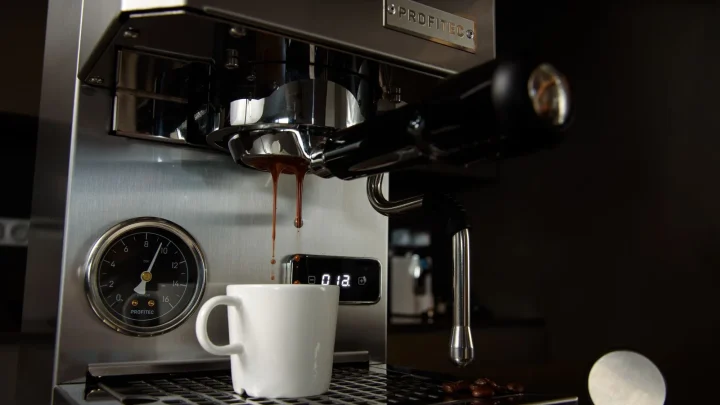
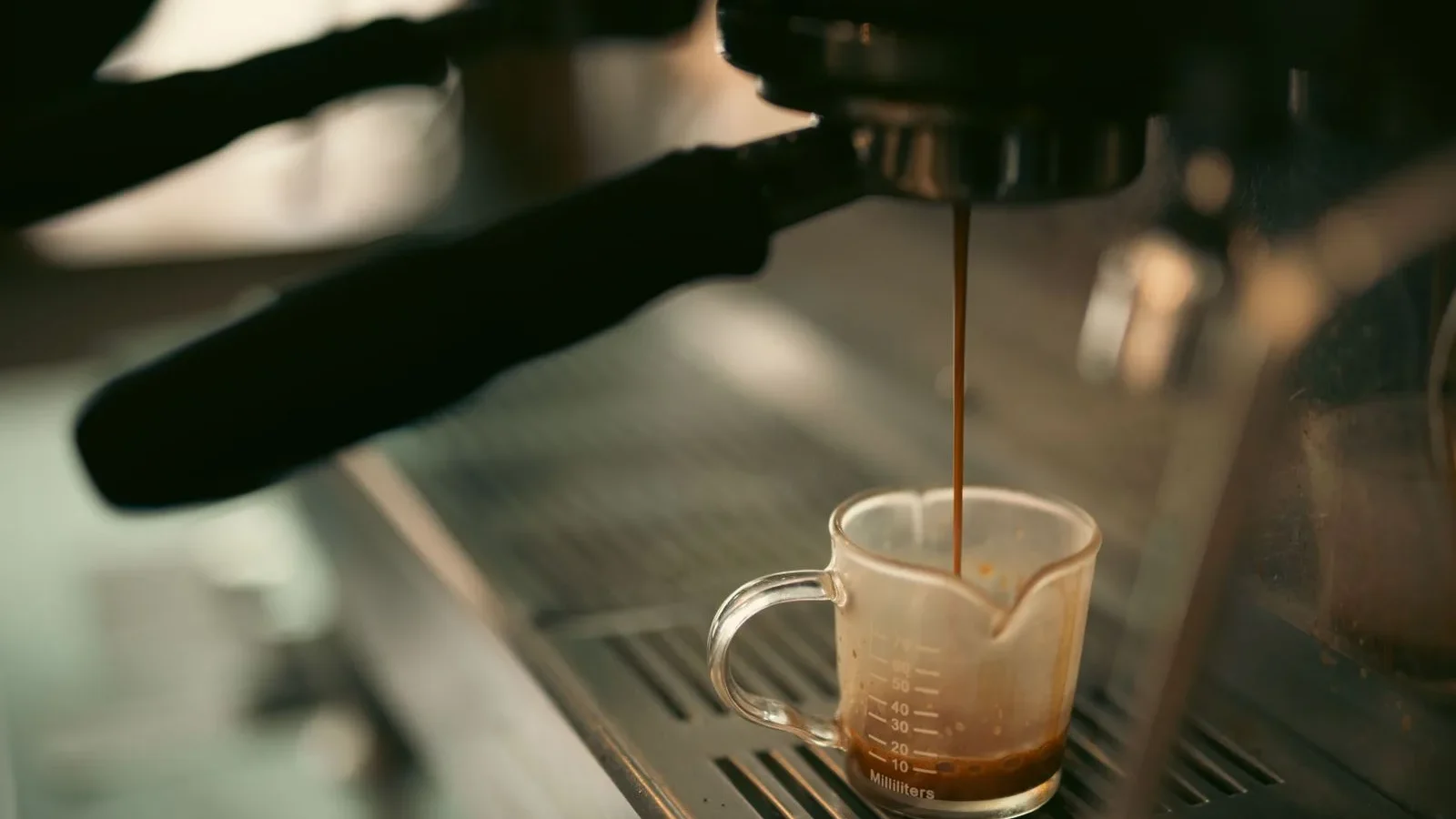
A standard double should give you roughly 2 ounces (about 36 grams) in 25 to 30 seconds, with the first drops appearing around the 6 to 8 second mark. That preinfusion pause matters – it means the puck is saturating and building resistance the way it should.
If espresso is spraying out at second three and you’re done by fifteen, you have a fast, underextracted shot. It looks blonde, tastes sour and thin, and leaves almost no crema. That’s the classic watery shot with no crema pattern.
Fast and weak are usually the same fault. Water follows the path of least resistance, so anything that lets it move faster through or around the coffee – coarse grind, low dose, a channel in the puck, a leaking gasket – pulls the same pale, gutless shot.
If the timer says under 20 seconds for a double, fix the coffee before you blame the machine.
Prep faults: the causes I see four times out of five
Most weak espresso shots never touch a repair bench. They’re prep problems, and the good news is they cost nothing to fix.
Grind is too coarse
This is the number one cause, full stop. Coffee stales and grinders wear, so a setting that was perfect in March runs loose by June.
Go two or three steps finer and pull again. You’re looking for that shot to slow down and darken. On a Breville Barista Express, that’s the difference between grind setting 8 and grind setting 4 or 5.
Underdosing the basket
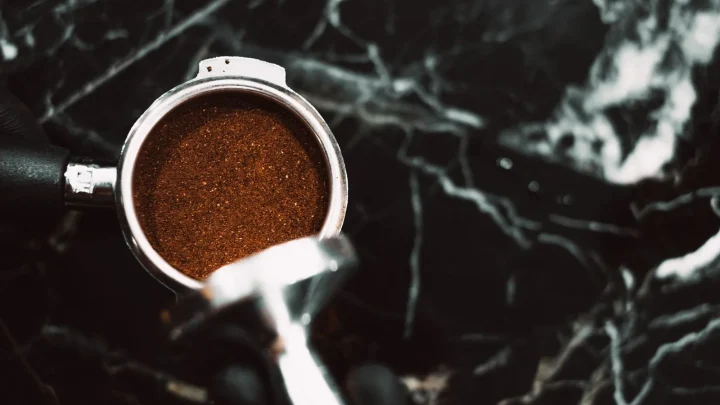
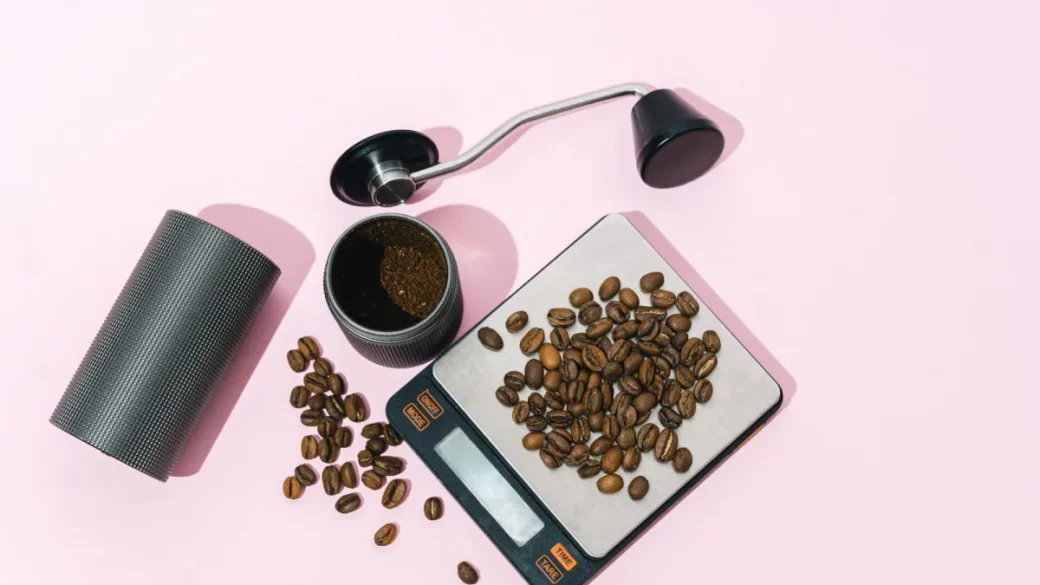
A double basket wants 18 to 20 grams of ground coffee for most 58mm portafilters. Eyeball it and you’ll almost always come up light, which leaves headroom for water to race through.
Weigh it on a $15 kitchen scale. If you were running 14 grams, bumping to 18 will thicken the shot on its own.
Tamp and channeling
A tilted or feather-light tamp lets water bore a hole straight through one side of the puck. That hole is a channel, and it’s the enemy.
Press level with steady pressure – around 30 pounds is the old textbook number, though consistency matters more than the exact force. Give the basket a light distribution tap or a quick stir with a needle tool first so the grounds sit even.
Pull the portafilter right after a weak shot and look at the underside of the puck. A clean, even surface means prep was fine and you should suspect hardware. A crater or a soggy pit means water channeled – that’s a distribution or tamp problem, not a broken machine.
When it really is the machine
You’ve dialed the grind, weighed the dose, tamped level – and the shot still runs pale and fast. Now we open the hood.
A worn or swollen brew gasket
The group head gasket seals the portafilter against the shower screen. When it hardens or swells with age, water sneaks around the puck instead of through it, and you get a weak shot plus dribbles down the side of the group.
On most home machines this rubber ring costs $8 to $15 and takes fifteen minutes to swap. A telltale sign is a portafilter that has started locking in noticeably past its old position – the handle creeping toward 6 o’clock as the seal compresses. If you’re also seeing drips, cross-check my notes on where espresso machines leak water and why.
Low brew pressure
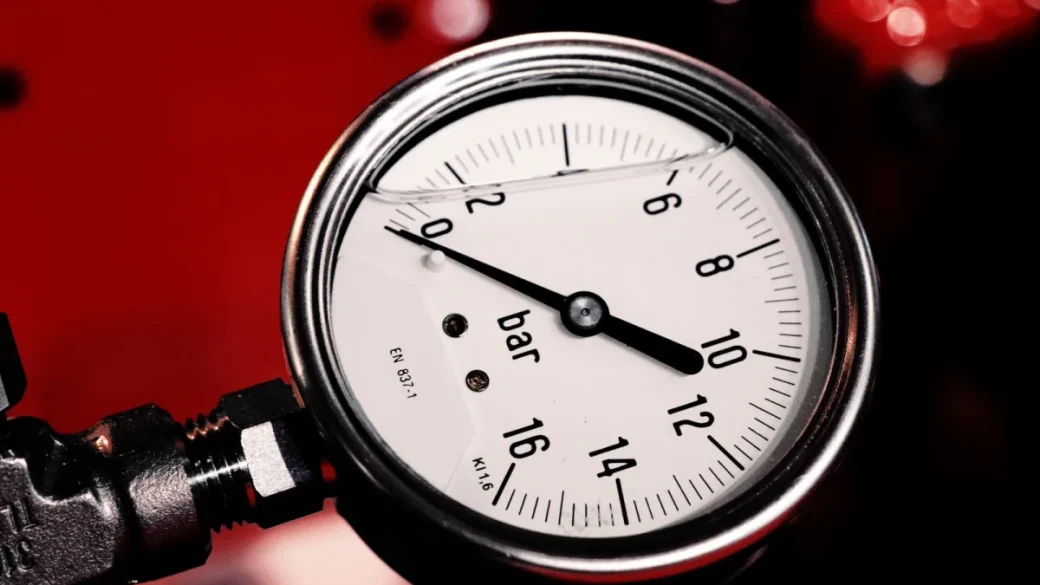
Real espresso needs about 9 bar of pressure during extraction. A tired pump or a stuck over-pressure valve can drop that, and thin, sad shots follow.
Check it. Many machines with a gauge should swing into the 9 to 10 bar zone under load. No gauge? A blind portafilter pressure kit runs about $30 and tells you exactly where you stand. If the number is low across the board, walk through the causes of an espresso machine losing pressure before you condemn the pump.
Scale in the group and boiler
Hard water builds limescale that narrows passages and, worse, insulates the boiler so brew water arrives cool. Below 195F, extraction goes sour and thin no matter how well you grind.
A probe thermometer in the stream, or a Scace-style tool if you’re serious, confirms it. If temp is low, descale with a proper solution – not vinegar, which can chew up seals over time. According to the Specialty Coffee Association, brew water in the 195F to 205F band is where extraction behaves.
Always unplug the machine and let the boiler cool before removing the shower screen, gasket, or any panel. A single-boiler unit holds pressurized water well above 200F, and a group head can stay scalding for 20 minutes after you switch off.
A ten-minute sort before you buy parts
When a machine lands on my bench for weak shots, I run the same short loop every time. It separates the free fixes from the paid ones fast.
- Time a double shot – under 20 seconds means look at prep first.
- Weigh the dose and confirm 18-20g in a double basket.
- Grind two steps finer and re-pull.
- Inspect the spent puck for channeling.
- Check the brew gasket for swelling, cracks, or a portafilter that locks in too far.
- Verify brew pressure hits ~9 bar and water temp clears 195F.
Nine times in ten, you’ll have your answer by step three. The remaining cases point cleanly at gasket, pressure, or scale – and each of those is a known, priced repair rather than a mystery.
Quick reference: symptom to cause
| What you see | Most likely cause | First move |
|---|---|---|
| Shot done in under 15s, blonde | Grind too coarse or underdosed | Grind finer, dose to 18g |
| Water dribbling around the group | Worn brew gasket | Replace gasket ($8-$15) |
| Thin shot, sour taste | Brew temp below 195F | Descale, verify temp |
| Weak across every basket and grind | Low pump pressure | Test with pressure kit |
| One-sided crater in the puck | Channeling from tamp | Level tamp, distribute grounds |
That table lives on a sticky note above my bench, more or less. It’s not a substitute for pulling the panels, but it saves an enormous amount of guessing.
Where this leaves you
The habit worth building is treating the shot timer as your first tool, not the multimeter. Espresso is a physics problem – resistance, pressure, temperature – and a stopwatch reads two of those three for free.
Get the prep locked down, and any weakness left over is genuinely the machine talking. At that point you’re chasing a gasket, a pressure reading, or a scale problem, all of which are cheap and fixable at home.
If your shots are underpowered and none of this lands, the trouble may be broader than one worn part. My rundown of common espresso machine problems and fixes covers the wider failures, and the fundamentals of how the drink is built are worth a read on the espresso overview too. Start with the timer, though. It answers more than you’d think.
Frequently asked questions
Fresh beans help, but a watery shot usually means water is moving too fast through or around the coffee. Check your grind first - go finer - then confirm your dose is 18 to 20 grams for a double basket. If the shot still runs under 20 seconds, look at the machine's gasket or pressure.
A standard double should pour about 2 ounces in 25 to 30 seconds, with the first drops appearing around 6 to 8 seconds in. Much faster than that and the shot will taste thin and sour. Much slower and it turns bitter and choked.
Yes. When the group head gasket hardens or swells, water leaks around the edge of the puck instead of being forced through it. You lose pressure on the coffee, the shot runs pale and fast, and you'll often see water dribbling down the side of the group. The replacement part is usually $8 to $15.
It does. Brew water below 195F underextracts, giving you a thin, sour shot no matter how well you grind or dose. Limescale in the boiler is a common cause of low temperature, so descaling regularly keeps extraction where it should be, in the 195F to 205F range.
Change one thing at a time. Grind two steps finer and pull again - if the shot slows and improves, it was the grinder or dose. If a finer grind, correct 18-gram dose, and level tamp still give you a fast, pale shot, then suspect the machine's gasket, pressure, or temperature.
The 30-pound figure is a starting reference, not a law. What actually matters is a level, consistent tamp that doesn't leave gaps for water to channel through. A gentle, even press repeated the same way every time beats a hard, crooked one.