Key takeaways
- Blame the beans first: coffee older than 3-4 weeks past roast can't build proper crema no matter how you dial it in.
- A worn portafilter basket or a group head running below 195F kills crema even with fresh coffee and a perfect grind.
- Pressurized (dual-wall) baskets fake crema with froth, so switch to a single-wall basket to judge your real extraction.
- Thin, pale crema that vanishes in 30 seconds usually points to low brew pressure, not your technique.
Last winter a regular customer brought in a three-year-old Gaggia Classic Pro convinced the pump was dying. Her shots poured fine, tasted fine, but the crema had gone flat, pale, thin as skim milk. She’d already bought a new grinder chasing it.
The pump was fine. Her beans were nine weeks past roast.
That’s the thing about crema. Nine times out of ten I hear “my grind must be wrong,” but the reddish-brown foam on top of a shot is a symptom, not a technique problem. It reports on the health of your beans, your basket, your pressure, and your brew temperature all at once. So before you buy anything, let’s read what it’s actually telling you.
Stale Beans: The Reason Behind Most “No Crema” Complaints
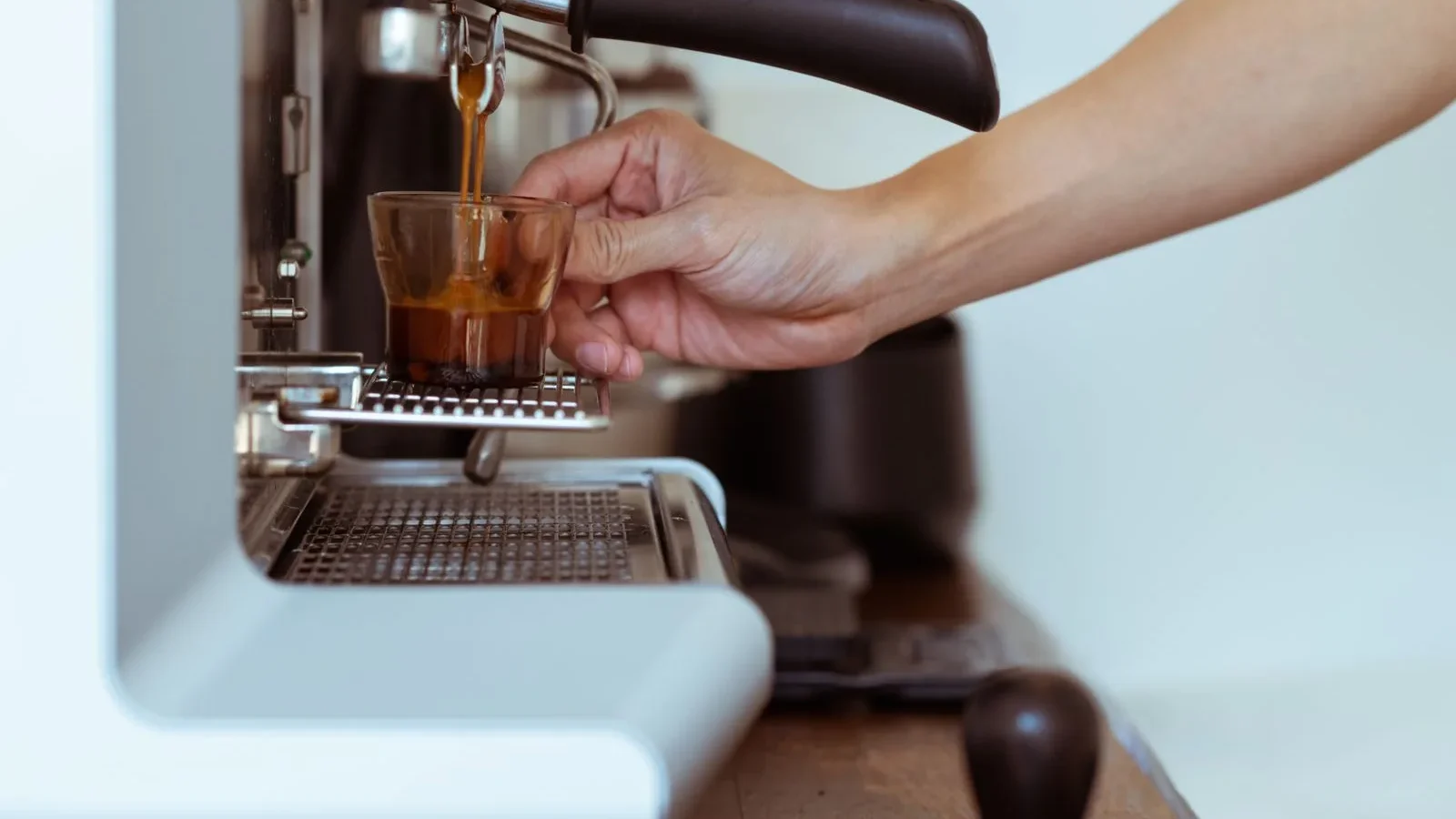
Crema is emulsified CO2 and oils, forced out of the coffee under roughly 9 bar of pressure. Fresh roasted beans are packed with CO2 from roasting. That gas is what builds the foam.
Beans start venting that gas the moment they leave the roaster. By three to four weeks past the roast date, most of it is gone, and no grind adjustment brings it back.
Check the bag. Not the “best by” date a year out, the actual roasted on date. If it isn’t printed, that supermarket bag has probably been sitting for months.
The sweet spot for crema is 5 to 21 days off roast. Freshly roasted beans that are too gassy (under 5 days) can actually give you gushing, uneven crema too. Rest them a few days.
Storage matters as much as age. I keep beans in an airtight container away from light, never the fridge. Condensation is the enemy. And I don’t grind ahead. Ground coffee loses its crema-forming punch within 20 to 30 minutes.
If the crema problem started overnight, look at the machine. If it crept in over weeks, look at the beans.
You’re Fooled by a Pressurized Basket
This one catches more people than any other, especially on entry-level machines from Breville and De’Longhi.
Many machines ship with a dual-wall, or “pressurized,” basket. It has a single tiny hole under the main mesh that artificially creates back-pressure. It produces a thick foam that looks like crema even with stale, badly ground coffee.
So if you suddenly have great foam and can’t explain it, you might be on a pressurized basket. And if you swapped to a single-wall basket and the crema “disappeared,” you’re now seeing your real extraction for the first time.
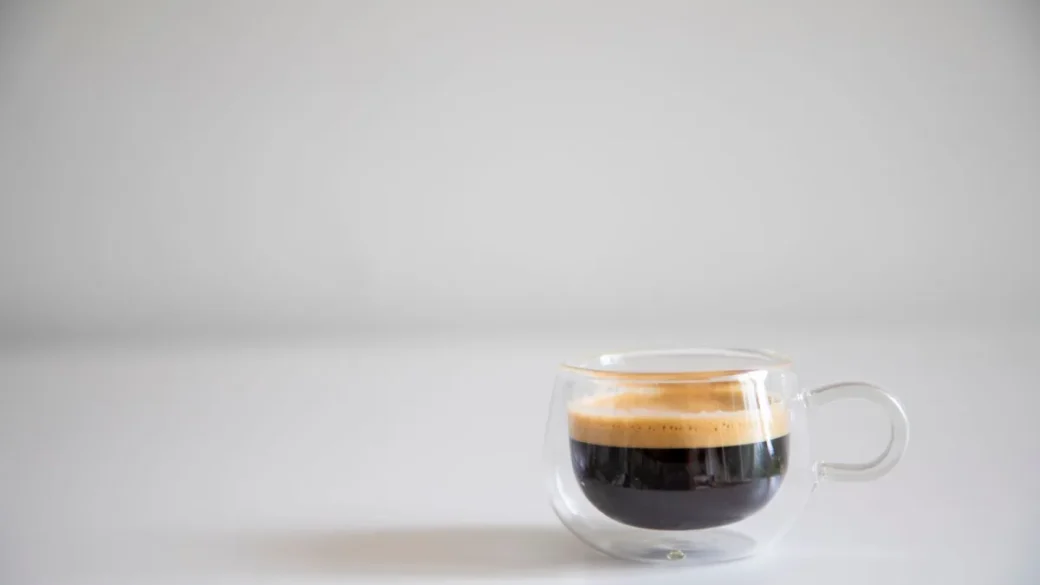
How to tell which basket you have
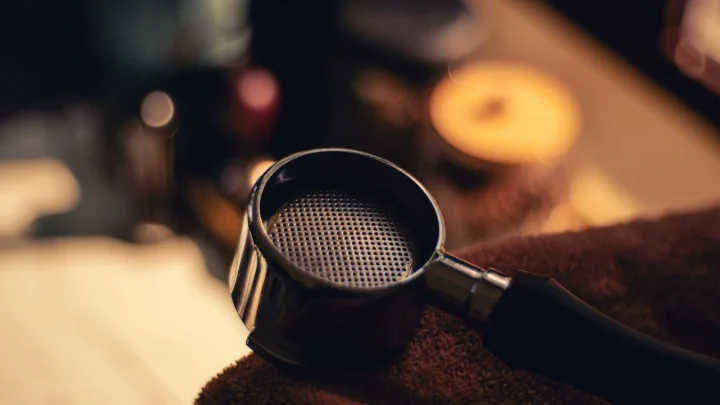
Flip the basket over. A single-wall basket has hundreds of laser-drilled holes across the whole bottom. A pressurized one has a smooth outer shell with one pinhole, or a plastic insert.
Pressurized baskets aren’t a defect. They’re forgiving for pre-ground coffee and beginners. But they mask the real signal, so once you’re grinding fresh, switch to single-wall to judge your shot honestly. A genuine IMS or VST basket runs $25 to $45.
Low Brew Pressure and a Tired Pump
Real espresso needs around 9 bar at the puck. Drop much below that and the emulsion never forms properly. You get a thin, pale crema that collapses in under 30 seconds.
Most home machines use a vibratory pump rated near 15 bar, regulated down. Over years, two things go wrong: the pump weakens, or an Over Pressure Valve (OPV) drifts out of spec and dumps pressure back to the tank.
A simple test costs nothing. Time a blank shot with your normal dose. If a well-ground shot gushes out in 10 seconds like water, pressure or grind is off. If it barely drips and still has no crema, you’ve got a different problem.
Never open a machine that’s plugged in or still under pressure. Switch off, unplug, and let the boiler cool for at least 30 minutes. Espresso boilers hold scalding water and steam well after the light goes out.
If pressure is genuinely low, I’ve covered the full diagnostic path in our breakdown of why an espresso machine has no pressure and its common causes. A pump replacement runs $20 to $50 in parts on most consumer machines; an OPV adjustment is free if you’re comfortable inside the case.
Your Group Head Is Running Cold
Temperature is the quiet crema killer. The industry target sits near 200F (93C) at the group. Brew below roughly 195F and extraction stalls, oils don’t emulsify, and crema comes out thin and grey.
On thermoblock machines this is common. People pull a shot the second the ready light comes on, before the group head itself is hot. The water’s ready; the metal isn’t.
The 20-minute warm-up rule
I tell everyone the same thing. Power on, lock in the empty portafilter, and run a blank flush of water through it. Then wait.
If the machine truly won’t reach temperature, that’s a heating fault, not a habit. A failing thermostat or thermal fuse is usually behind it, and our walkthrough on an espresso machine not heating up and what to check lists the parts to test with a multimeter.
A Worn or Dirty Basket and Screen
Small hardware wears out, and worn hardware ruins crema quietly.
The portafilter basket has thousands of precision holes. Over a couple of years of daily use and cleaning, those holes wear, widen, or clog with rancid oil. Water then channels through the path of least resistance instead of the whole puck. Uneven extraction means weak crema.
Same story with the dispersion screen and shower plate up in the group head. A caked screen sprays water unevenly onto the coffee.
Backflush weekly with a blind basket and a cleaning detergent like Cafiza. It dissolves the oil buildup that a rinse can’t touch. Two grams in the blind basket, ten on/off cycles, then rinse twice. Old oils go rancid and flatten crema fast.
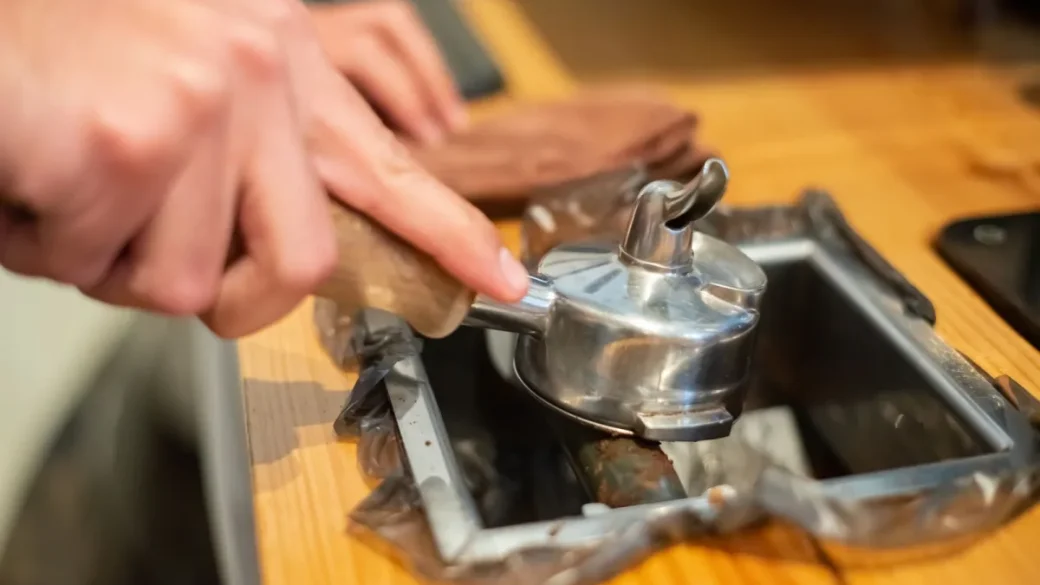
A tired basket costs $12 to $20 to replace and is the cheapest fix on this whole list. If you’ve never changed yours, it’s overdue.
Grind and Dose, in That Order
I’ve spent five sections telling you it’s usually not the grind, and mostly it isn’t. But grind and dose still set the stage, so they belong here as a check, not the headline.
Too coarse, and water rushes through without building pressure, so no crema. Too fine on a pressurized basket, and you’ll choke it. The fix is to grind fine enough that a double shot of about 18 grams takes 25 to 30 seconds to pull 36 grams.
Dose consistently and level the bed before tamping. A tilted or under-filled puck channels, and channeling shows up as pale, patchy crema every time.
The Specialty Coffee Association and the general reference on espresso both put proper extraction near 9 bar and 90 to 96C. Those two numbers, plus fresh beans, produce crema on almost any working machine.
Reading Your Crema Like a Diagnostic Tool
Once you stop treating crema as a scorecard for your barista skills and start reading it as a gauge, troubleshooting gets fast.
Pale and thin that vanishes in seconds points at old beans or low temperature. Big-bubbled froth that looks fake is usually a pressurized basket. No crema at all with a gushing shot means grind too coarse or pressure too low. A blond, watery shot with a thin ring means you’re under-extracting, often from a cold group.
Work the cheap and obvious first: bean date, basket type, warm-up, then a backflush. If crema is still missing after those four, you’re into pump, OPV, or heating territory, and that’s when the wider map of espresso machine problems and their fixes earns its keep. And if you’re also seeing puddles under the machine, don’t ignore it, because a leak that drops brew pressure will flatten crema too, which we cover in our piece on where an espresso machine leaks water and why.
That customer with the Gaggia? Fresh bag, a $15 basket, and a proper 20-minute warm-up. Thick, tiger-striped crema the next morning. She returned the grinder.
Frequently asked questions
Check your brew temperature and basket next. A group head running below 195F won't emulsify the oils that form crema, and a warm-up shorter than 20 minutes is the usual culprit. Also confirm you're not on a worn or clogged single-wall basket that's channeling water through the puck unevenly.
Not necessarily. If the crema faded gradually over weeks, suspect stale beans or a dirty basket first. If it disappeared suddenly, look at the machine: weak brew pressure, a drifting OPV, or a heating fault that keeps the group head too cold are the common mechanical causes.
No, it produces artificial foam. A dual-wall pressurized basket forces water through one tiny hole to fake back-pressure, so it can create thick-looking crema from stale or badly ground coffee. Switch to a single-wall basket if you want to judge your true extraction and real crema.
Aim for coffee that's 5 to 21 days past its roast date. Under 5 days the beans are often too gassy and give uneven crema, while past 3 to 4 weeks most of the CO2 that builds crema has vented. Always buy beans with a printed roast date, not just a best-by date.
Yes. Espresso needs around 9 bar at the puck to emulsify oils into crema, and a weakening vibratory pump or a misadjusted Over Pressure Valve can drop below that. The tell is a thin, pale crema that collapses within 30 seconds, often alongside a shot that pours faster than normal.
Often, yes. Rancid coffee oils caked in the basket and shower screen cause uneven extraction and flat crema. A weekly backflush with a blind basket and a detergent like Cafiza, plus replacing a worn $12 basket, restores even water flow and usually improves crema noticeably.