Key takeaways
- Leak location is a diagnosis: a drip from the group head means the portafilter gasket; a puddle under the base usually means the OPV or a cracked hose.
- A hardened group gasket is the single most common leak I replace, and a $6 part fixes it in 15 minutes.
- Descale before you assume a part failed. Scale flakes wedge in valves and mimic a broken seal.
- Water pooling under the machine while it sits idle points to a leaking check valve or solenoid, not the pump.
- Never open the boiler side while the machine is hot or pressurized. Power off and let it sit 30 minutes first.
A leaking espresso machine is the repair I get asked about more than any other, and nine times out of ten the owner has already guessed wrong about the cause. They see water on the counter and assume the boiler cracked. It almost never did.
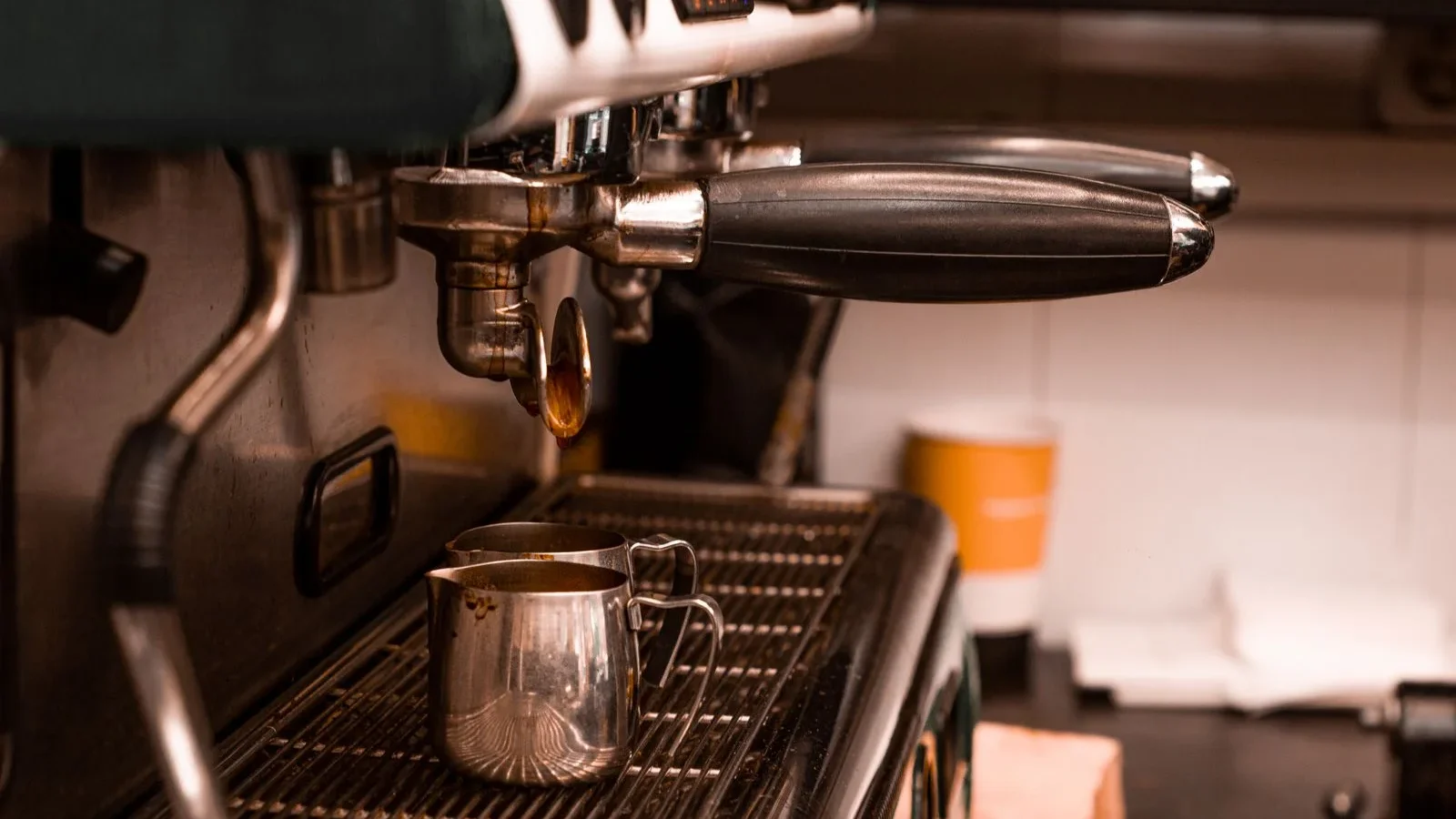
Water takes the path of least resistance, so where it shows up is rarely where it starts. A drip at the group head can trace back to a valve four inches away. The trick is learning to read the leak like a map.
Here’s how I work through one on the bench, location by location, so you can pin down the failing part before you order anything.
First: is it really a leak, or just wet?
Before you diagnose anything, rule out the fakes. A lot of “leaks” I get called out for are steam condensation, a drip tray that quietly filled and overflowed, or water that ran off the portafilter after a shot and pooled below.
Wipe everything bone dry. Run a shot, then a steam cycle, then let the machine idle for 20 minutes. Watch where the first fresh water appears.
Espresso machines run their brew circuit around 9 bar of pressure and 200°F (93°C) water. Under that kind of load, a seal that looks fine cold can weep the second it’s pressurized. Always test hot and under pressure, not just by eye.
Once you know it’s a genuine leak and you’ve noted the exact spot, match it to the sections below.
Leaking from the group head or around the portafilter
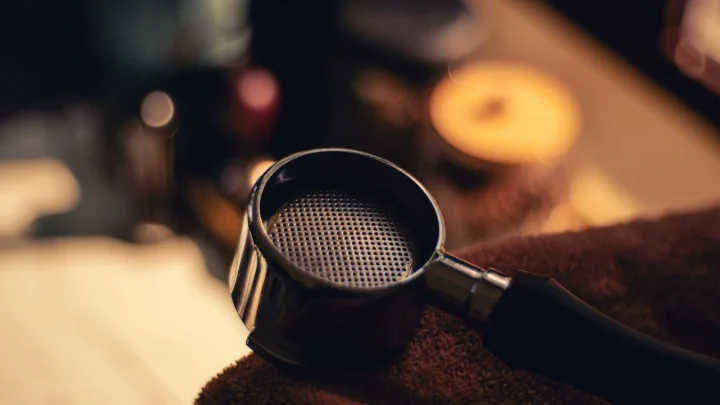
This is the leak I see constantly, and it’s usually the cheapest to fix. Water squirting or dribbling from the seam where the portafilter locks into the group head almost always means the group gasket (also called the shower gasket) has hardened.
That rubber ring lives against 200°F water all day. Over 12 to 18 months it goes from soft and grippy to stiff and glazed, and it stops sealing against the portafilter rim.
How to confirm it
Lock in the portafilter empty and watch the handle position. If it now sits much further right than it used to, the gasket has shrunk and compressed. If you pull the portafilter and the gasket looks shiny, cracked, or has coffee crust baked into it, that’s your part.
A replacement group gasket runs $5 to $9. On most single-boiler machines you pry the old one out with a pick, sometimes removing the shower screen first, and press the new one in. Fifteen minutes, no special tools.
Before you replace the gasket, wipe the portafilter’s top edge clean and check it for dried coffee oils and chips. A nicked or gunked rim will leak against a brand-new gasket. A quick scrub with a Puly Caff tablet on the portafilter edge often buys you months.
If the gasket is fresh and it still leaks here, look at the portafilter basket seating and the shower screen bolt. A loose screen or a basket that isn’t dropping flat can channel water sideways.
Water pooling underneath the base
A puddle that forms under the machine while it sits idle is a different animal, and it’s the one people panic about. Good news: the boiler is rarely the culprit.
On pump machines, the usual suspects are the OPV (over-pressure valve), the check valve, or a cracked silicone hose inside the case. These sit low in the chassis, so any weep runs straight to the base and out the bottom.
Idle leak vs. brewing leak
Timing narrows it fast. If water only appears while you’re pulling a shot, suspect a hose clamp or a fitting on the pressure side. If it pools when the machine is off and cold, suspect a check valve or solenoid that isn’t holding back tank water.
| When it leaks | Likely source | Typical fix cost |
|---|---|---|
| Only while brewing | Loose hose clamp, OPV, pump fitting | $0–$25 |
| Only during steam | Steam valve packing or boiler seal | $8–$30 |
| While idle and cold | Check valve or solenoid not holding | $15–$40 |
| Constant, worsening | Cracked hose or boiler gasket | $10–$60 |
Getting to these means opening the case, and this is where the leak location on the drip tray floor becomes your treasure map. Dry everything inside, run the machine, and watch which fitting beads up first.
Never open the case while the machine is plugged in, hot, or pressurized. Power off, unplug, and let it sit at least 30 minutes so the boiler drops below scalding temperature. There’s mains voltage inside and water two inches away from it.
Dripping from the steam wand or valve knob
Steam-side leaks show up around the steam knob or as a slow drip from the wand tip when the valve is closed. When water or steam sneaks past a shut valve, the internal PTFE valve seat or packing has worn.
A little drip from the wand right after steaming is normal condensation. A steady weep from the knob base while the machine sits is not.
Rebuild kits for common steam valves run $8 to $25 and include the seat, seals, and sometimes the packing. If your machine also lost steam force, the same worn valve or a related scale problem could be behind an espresso machine with no pressure, so check both symptoms together before ordering parts.
The one cause behind half of all leaks: scale
Before you condemn any part, ask when you last descaled. Hard-water scale is the quiet saboteur behind a huge share of the leaks I see.
Scale flakes break loose and wedge under valve seats and O-rings. The seal can’t close fully, so it weeps, and the owner swaps a perfectly good part that leaks again a week later.
If a leak appears right after a machine that’s never been descaled, descale first and re-test. Half the time the “broken” part fixes itself.
Run a proper descale with a citric-acid or commercial solution, following your manufacturer’s ratio. Brands like Breville and De’Longhi publish machine-specific cycles worth following to the letter.
Descaling on a schedule also keeps temperature stable, which matters if you’ve ever wrestled with an espresso machine not heating up properly. The same limescale that blocks a valve insulates the heating element.
Leaks from the water tank or its coupling
Removable-tank machines leak at two spots: the tank itself and the valve where it seats into the base. A hairline crack in the tank plastic, common near the handle after a drop, weeps slowly and is easy to miss.
The tank’s spring-loaded outlet valve is more often the problem. Its O-ring dries out and lets water dribble down as you re-seat the tank.
Pull the tank, fill it, and set it on a paper towel away from the machine. If it leaks off the machine, the tank or its valve is at fault, not the internals. Replacement tank valves are $6 to $15.
A smear of food-grade silicone grease (about $7 a tube, lasts years) on the tank valve O-ring and the group gasket at every service dramatically extends seal life. Dry rubber against hot water is what kills these parts early.
Knowing when to stop and call it
Most of what I’ve described is a 15-to-45-minute job with a screwdriver, a pick, and a $10 part. Group gaskets, tank valves, steam rebuilds, and hose clamps are all fair game for a confident home fixer.
Where I’d stop is a cracked boiler or a leak you genuinely can’t locate after two careful hot tests. A boiler is the priciest part in the machine, and a persistent mystery leak often means an internal fitting that needs the whole chassis apart.
If the leak came alongside other symptoms, work the bigger picture first. A machine that leaks and won’t build pressure or produces espresso with no crema may have one root fault, and our overview on what to check when your espresso machine isn’t working helps you connect the dots. Understanding how the machine’s pressurized brew circuit is plumbed together makes every leak easier to trace.
Dry it, pressurize it, watch it, and let the water tell you where it’s coming from. That single habit will save you from swapping three parts to fix a $6 problem.
Frequently asked questions
The most common cause is a hardened or cracked group gasket, which stops sealing against the portafilter rim after 12 to 18 months of heat exposure. Check whether the portafilter now locks in much further to the right than it used to, a sign the gasket has shrunk. A replacement gasket costs $5 to $9 and takes about 15 minutes. Also wipe the portafilter's top edge clean, since dried coffee oils there can leak against even a brand-new gasket.
An idle, cold leak usually points to a check valve or solenoid that isn't holding back tank water, or a slow weep from an internal hose or the OPV. Because these parts sit low in the chassis, the water runs straight to the base. Note that it only happens when off, not while brewing, since that timing rules out pressure-side fittings and narrows it to a valve that should be sealing at rest.
Yes, and it's the first thing I try. Scale flakes break loose and wedge under valve seats and O-rings, holding them open so they weep. Running a proper descale cycle can flush that debris out and let the seal close again. Descale and re-test before you condemn any part, because roughly half the time the leak clears on its own.
A little drip from the wand tip right after steaming is just condensation and nothing to worry about. A steady weep from the wand when the valve is closed, or water seeping from the base of the steam knob while the machine sits idle, means the valve's PTFE seat or packing has worn. A rebuild kit runs $8 to $25 and restores the seal.
Pull the removable tank, fill it, and set it on a paper towel away from the machine for a few minutes. If it leaks off the machine, the fault is a cracked tank or a dried-out outlet valve O-ring, not the internal plumbing. Tank valves are cheap, usually $6 to $15. If the tank stays dry off the machine, the leak is somewhere inside the chassis.
Stop if you suspect a cracked boiler, which is the most expensive part in the machine, or if you've run two careful hot pressure tests and still can't locate the source. A persistent mystery leak often means an internal fitting that requires stripping the whole chassis, which is beyond a quick home repair. At that point the labor and risk usually justify a technician.