Key takeaways
- Espresso is defined by ~9 bars of pressure forcing water through a puck in 25-30 seconds, not by a dark roast or a specific bean.
- Drip and pour-over rely on gravity alone, so they need a coarser grind and 3-4 minutes of contact to extract properly.
- A double shot pulls ~40ml from 18g of grounds; a drip mug pulls ~240ml from 15g, which is why espresso tastes concentrated, not just 'stronger.'
- Crema only forms under pressure, so no gravity-brewed method can produce it, no matter how fresh the beans.
- You cannot brew good espresso in a drip machine or good drip in an espresso machine. The grind and pressure requirements are opposites.
People bring me machines all the time saying the espresso “tastes like coffee.” What they usually mean is it tastes weak, watery, or sour. And nine times out of ten the machine is fine. The pressure gauge is sitting right where it should, the pump hums along, the group head is clean.
The problem is that espresso and drip coffee get lumped together as if one is just a stronger version of the other. They are not. They are two genuinely different processes that happen to start with the same roasted bean.
Once you understand the espresso vs coffee difference at the mechanical level, a lot of confusing brewing problems suddenly make sense.
Same Bean, Two Completely Different Extractions
Here is the part most people get wrong: there is no such thing as an “espresso bean.” I have opened bags labeled espresso that were just a medium-dark blend a roaster decided to name that way. You can pull a shot from an Ethiopian light roast and brew drip from a dark Italian blend. The bean does not care.
What separates the two drinks is how you push water through the grounds.
Espresso uses pressure. A pump generates roughly 9 bars, which is about nine times atmospheric pressure, and forces near-boiling water through a densely packed puck of very fine grounds. The whole thing is over in 25 to 30 seconds. If you want the deeper reasoning behind that number, I walked through it in what 9 bars of pressure means in espresso.
Drip coffee uses gravity. Hot water sits on a bed of coarser grounds and drains through slowly, taking three to four minutes. No pump, no pressure beyond the weight of the water itself. According to the Wikipedia entry on espresso, that pressurized method is the entire defining feature of the drink.
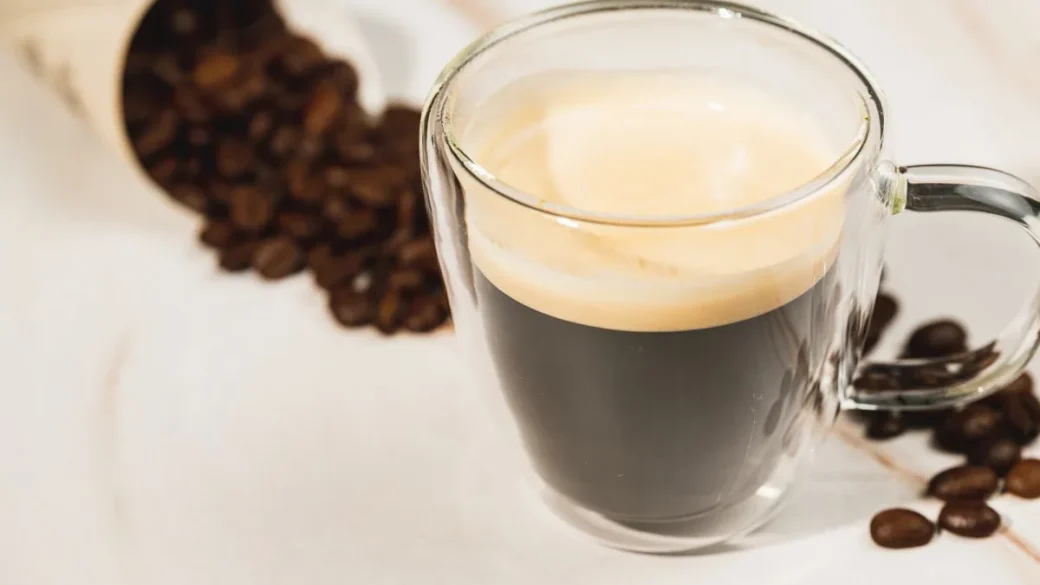
“Strength” and “concentration” are not the same thing. A light-roast espresso can have more caffeine per milliliter than a dark-roast drip, yet a big mug of that drip delivers more total caffeine because there is simply more liquid.
The Numbers That Actually Define Each Drink
I find people grasp this faster when they see the recipes side by side. These are the ratios I use as reference points on the bench when I am dialing in a customer’s machine.
| Variable | Espresso (double) | Drip / Pour-over |
|---|---|---|
| Pressure | ~9 bars | Gravity only (~0 bar) |
| Grind | Fine, like table salt | Coarse, like sea salt |
| Dose in | 18-20 g | 15 g per mug |
| Liquid out | 36-42 g | ~240 g |
| Contact time | 25-30 seconds | 3-4 minutes |
| Water temp | 90-96 C | 92-96 C |
| Ratio | ~1:2 | ~1:16 |
Look at the ratio row. Espresso is roughly 1:2 (grounds to liquid). Drip is around 1:16. That eightfold difference is why a shot tastes intense and syrupy while a mug of drip tastes clean and long.
The grind row is the one that trips up beginners the most. Espresso grounds are nearly powder because water needs resistance to push against under pressure. Put that same fine grind in a drip machine and you get a bitter, over-extracted sludge that clogs the filter.
Pressure buys you speed. Gravity buys you time. Everything else about the two drinks follows from that one trade.
Why Only Espresso Gets Crema
That golden-brown foam floating on a fresh shot is not on your drip coffee for a physical reason, not a quality one.
Under 9 bars, water dissolves far more carbon dioxide and coffee oils than it ever could at atmospheric pressure. When the shot leaves the portafilter and hits normal air, all that dissolved gas rushes out of solution as tiny bubbles wrapped in oil and fine coffee solids. That emulsion is crema.
Gravity brewing never pressurizes the water, so the gas stays put and no crema forms. It has nothing to do with fresh beans or a good grinder on the drip side. I get into the chemistry of it in what crema is and why it forms on espresso.
If a shot pulls with almost no crema on a machine that used to produce plenty, check your beans’ roast date before you blame the machine. Coffee older than about three to four weeks past roast has off-gassed most of its CO2, and no amount of pressure brings the crema back.
The Machines Are Built for Opposite Jobs
You cannot brew proper espresso in a drip machine, and you cannot make decent drip in an espresso machine. The hardware is designed around those two different physics.
What an espresso machine is doing
An espresso machine’s whole job is generating and holding pressure while keeping water temperature stable within a degree or two. That means a pump (vibratory ones on home units like the Gaggia Classic Pro, rotary pumps on higher-end machines), a boiler or thermoblock, and a group head that seals tight against the portafilter.
A vibratory pump alone runs $30 to $60 to replace, and a worn one is a common cause of pressure dropping below spec. If you want a plain-language tour of the components, I laid them out in espresso machine parts explained for beginners.
What a drip machine is doing
A drip machine is far simpler. It heats water and lets it trickle over grounds through a shower screen. There is no pump building pressure, no group gasket to seal, no need for temperature control tight enough to matter over a 25-second window. That simplicity is exactly why a decent drip maker costs $40 while a capable home espresso machine starts around $300 and climbs past $1,500.
Never try to “boost” a drip machine by blocking the drain or a home espresso machine by tightening past its pressure spec. Espresso boilers and group heads run hot and pressurized. A blocked path can turn a routine descale into a scald. If a machine is fighting you, unplug it and let it cool before you open anything.
Moka Pots, French Press, and the Middle Ground
Not every brewer sits cleanly at one pole. A few methods live in between, and knowing where they fall clears up a lot of confusion.
- Moka pot: Builds about 1 to 2 bars of steam pressure. Stronger and more concentrated than drip, but nowhere near the 9 bars of true espresso, so it makes no real crema.
- French press: Full immersion, no pressure, coarse grind, four-minute steep. It is closer to drip than espresso and produces a heavy, sediment-rich cup.
- AeroPress: You provide a bit of hand pressure, maybe 0.5 to 1 bar. A concentrated cup, but again not espresso-level pressure.
- Pod machines: Many do hit real espresso pressure through a sealed capsule, which is why they can produce crema where a drip machine cannot.
So the honest answer to “is a moka pot espresso” is no. It is a pressurized brew, which puts it closer than drip, but the 9-bar threshold is the line the Specialty Coffee Association and most of the industry draw for a reason.
Picking the Right One for How You Actually Drink
None of this makes one method better than the other. They solve different wants.
If you drink a large mug in the morning, want to walk away while it brews, and value a clean, tea-like clarity, drip or pour-over is the right tool. It is cheaper to buy, cheaper to maintain, and forgiving of a mediocre grinder.
If you want a small, intense, textured shot as the base for a cortado or a flat white, you need pressure, which means an espresso machine and, honestly, a good grinder that costs as much as the machine. That is the part first-timers underestimate. I covered the full setup in espresso for beginners: how it all works.
The machines I see abused most are the ones bought by someone who wanted café espresso but never invested in a burr grinder to match. Fix the grind first. It matters more than the badge on the machine, whether that badge says Breville, De’Longhi, or Gaggia.
Sort out which drink you actually want most mornings, buy the tool built for that physics, and you will spend far less time on my bench.
Frequently asked questions
Not in the way most people mean. Espresso is more concentrated because it uses a ratio around 1:2 versus roughly 1:16 for drip, so each milliliter carries far more dissolved solids. But a full mug of drip often contains more total caffeine than a single shot, simply because there is much more liquid.
No. A drip machine only uses gravity, so it cannot generate the roughly 9 bars of pressure that define espresso. Even with a fine grind you would just clog the filter and get a bitter over-extracted mess, never a real shot with crema.
They can use the exact same beans. There is no separate 'espresso bean,' only bags a roaster chose to label that way, usually a medium-dark blend. The difference between the drinks is the brewing pressure and grind, not the coffee itself.
The most common cause is stale beans. Crema comes from dissolved CO2 escaping under pressure, and coffee more than three to four weeks past its roast date has already off-gassed most of it. Check the roast date before assuming the machine is broken, though a grind that is too coarse can also cause it.
No, but it is closer than drip. A moka pot builds only about 1 to 2 bars of steam pressure, well below the 9 bars of true espresso, so it produces a concentrated cup with little or no genuine crema. Think of it as a strong middle ground between drip and espresso.
An espresso machine has to generate stable pressure and tight temperature control, which means a pump, a boiler or thermoblock, and a sealed group head. A drip maker just heats water and lets it fall. That is why a decent drip machine runs around $40 while a capable home espresso setup starts near $300 and climbs well beyond $1,500.