Key takeaways
- 9 bars is roughly 130 psi, or about nine times normal atmospheric pressure pushing water through your coffee.
- The number is a starting point from lever-era machines, not a magic figure. Real extraction happens between about 6 and 10 bars.
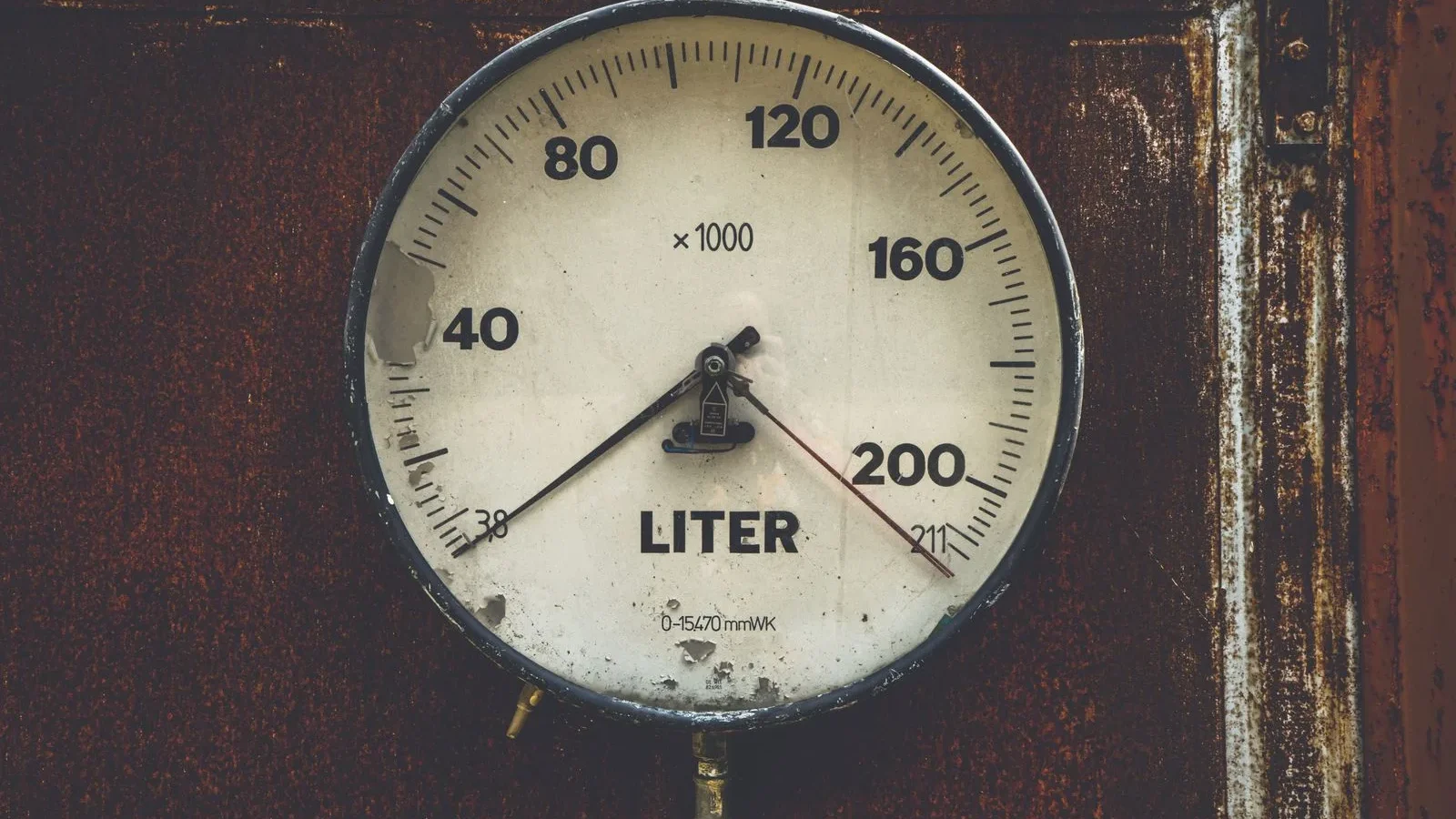
- The gauge on your machine usually reads pump pressure, not the actual pressure at the puck, so don't obsess over hitting exactly 9.
- Grind size and dose control resistance far more than the pump does. Chase a 25 to 35 second shot before you chase a number on a dial.
- A pressure reading stuck at 11 or 12 bars almost always means the grind is too fine or the basket is overdosed, not a broken machine.
Every week someone hands me a machine and says the pressure is “wrong.” They point at the little gauge, watch the needle climb past 9, and assume something inside has failed.
Nine times out of ten, nothing has failed. The machine is doing exactly what it was built to do. The confusion is about what that number on the dial even represents.
So let’s take the mystery out of it. Bars, pumps, pucks, all of it.
What does 9 bars actually measure?
A bar is a unit of pressure. One bar is roughly the air pressure sitting on you right now at sea level, about 14.5 psi.
So 9 bars espresso pressure means the pump is pushing hot water into your coffee at about nine times that, near 130 psi. That’s a real amount of force. It’s why a locked-in portafilter can hold back a bed of ground coffee instead of the water just blowing straight through.
The point of all that pressure is speed and saturation. You’re forcing water through a compacted puck in 25 to 35 seconds, pulling out oils, sugars and dissolved solids that a drip machine would never touch at its gentle trickle.
A standard tire runs around 2.2 bars. A shot of espresso pulls at roughly four times that. When you feel how solid a tamped puck is, that force starts to make sense.
If the whole idea of pump, boiler and group head is still fuzzy, the overview of how espresso actually works lays out the sequence before you worry about the numbers.
Where did the 9-bar number come from?
This is the part almost nobody tells beginners. The 9-bar figure is a leftover from spring-lever machines built in the 1950s.
On those old levers, the barista pulled a handle to compress a spring, and the spring pushed water through the coffee. As it relaxed, it delivered somewhere around 9 bars at the start of the shot, tapering off as the spring unwound.
People liked the coffee that came out. So when pump-driven machines arrived, engineers set the pumps to mimic that peak, around 9 bars, and it stuck as the industry default. The history of the espresso machine is really a history of people chasing the taste of those early levers.
9 bars isn’t a law of physics. It’s a taste memory from 70-year-old machines that somebody decided to standardize.
Groups like the Specialty Coffee Association still reference that range as a sensible target, which is why nearly every consumer machine on the market is factory-set right around it.
What does the pressure actually do during extraction?
Here’s where it gets interesting, and where a lot of newcomers get the cause and effect backwards.
The pump doesn’t decide the pressure on its own. The coffee does most of the deciding. Pressure is what builds when water meets resistance, and your puck is the resistance.
Grind and dose set the resistance
Grind your coffee finer, pack more of it in, and water struggles to get through. Pressure climbs. Grind coarser or dose less, and water races through, so pressure drops.
The pump is just supplying flow. Whether that flow turns into 6 bars or 11 depends almost entirely on what you did with the grinder and the basket.
If your gauge parks at 11 or 12 bars every time, don’t call a repair tech. Loosen the grind a notch or two first. On most machines that single change drops you back into range instantly.
Pressure and crema go hand in hand
That force is also what emulsifies the coffee oils and drives dissolved CO2 into the liquid. When the shot hits the cup and pressure releases, that gas comes out of solution as the reddish-brown foam on top.
If you want the full picture of that layer, I broke down how crema forms and what it tells you separately. No 9 bars, no proper crema.
Does my machine really hit 9 bars at the coffee?
Probably not exactly, and that’s fine.
Most consumer machines, your Breville Barista Express, your Gaggia Classic, your De’Longhi Dedica, use a vibratory pump rated far higher than 9 bars, often 15 bars or more on the box. That 15-bar figure on the label is marketing. It’s the pump’s maximum, not what reaches your coffee.
Inside, an over-pressure valve, called an OPV, bleeds off the excess and holds delivery near 9. On a Gaggia Classic that valve is a common thing I re-set on the bench.
Adjusting an OPV means opening a machine that holds hot water under pressure. Unplug it, let the boiler cool fully, and release pressure through the steam wand before you touch anything inside. I’ve seen people scald a hand skipping that step.
There’s another catch. The gauge on the front, when a machine has one, usually reads pump pressure, not the pressure at the puck. Line loss, the shower screen, the basket holes, all of it means the coffee sees a little less than the needle shows. If you want to know which part is which, the rundown of espresso machine parts maps out the pump, OPV and group head.
Should a beginner chase exactly 9 bars?
No. And this is the advice I give every new owner who asks.
Chase the shot, not the number. A good espresso is defined by time, yield and taste far more than by a needle sitting on a specific mark.
Here’s the target I’d actually work toward at home:
- Around 18 grams of coffee in a standard double basket
- Roughly 36 grams of liquid out, a 1-to-2 ratio
- A total shot time of 25 to 35 seconds from the moment you hit the button
- A steady, mouse-tail stream that doesn’t gush or drip
Nail those and your pressure will land in the healthy range on its own, usually somewhere between 6 and 10 bars over the course of the shot. Pressure is the passenger here, not the driver.
| Gauge reading | What it usually means | What I’d try first |
|---|---|---|
| 4 to 6 bars | Grind too coarse or under-dosed | Grind finer, add a gram or two |
| 8 to 10 bars | Right in the pocket | Leave it alone, taste the shot |
| 11 to 12+ bars | Grind too fine or basket overpacked | Coarsen the grind, check your dose |
When pressure really is a problem
Sometimes the machine genuinely is at fault, and it’s worth knowing the difference.
A pump that can’t build any pressure, the needle barely lifting off zero with a properly dosed basket, points at a failing pump or an air leak on the intake side. A vibratory pump replacement runs about $30 to $60 in parts on most home machines, plus your time.
Pressure that spikes and then collapses mid-shot often means a tired OPV spring or scale clogging the group. If you’re in a hard-water area and haven’t descaled in six months, start there before you blame any part.
Those are real repairs. A gauge reading 11 because you ground too fine this morning is not.
The one thing to hold onto
If you remember nothing else, remember this: 9 bars is a well-chosen average, not a finish line you have to cross on every shot.
The number came from lever machines people loved, the pump exists to get you near it, and your grinder does most of the fine-tuning from there. Once that clicks, the gauge stops being intimidating and starts being a simple feedback tool.
Pull a few shots, watch how grind changes the needle, and taste the results side by side. That hands-on loop will teach you more about pressure in a weekend than any spec sheet ever could.
Frequently asked questions
Not really. The 15-bar figure on the box is the pump's maximum capability, not what reaches your coffee. An internal over-pressure valve bleeds it down to roughly 9 bars during the shot. Almost every consumer machine advertises 15 bars while actually brewing near 9, so the label is more marketing than performance.
Nearly always because your grind is too fine or you've packed too much coffee into the basket. Both increase resistance, so pressure climbs above target. Coarsen the grind by a notch or drop your dose by a gram or two and the reading should fall back into range. It's a grind problem, not a broken machine.
Yes. Plenty of excellent shots land between 6 and 9 bars, and some modern setups deliberately brew lower for sweeter, less harsh results. The 9-bar figure is a proven starting point, not a hard minimum. Judge the cup by taste and shot time rather than by hitting one exact pressure.
No, and this trips up a lot of beginners. Pushing pressure past 9 or 10 bars tends to channel water through weak spots in the puck and can pull bitter, uneven flavors. Strength comes from your ratio of coffee to water and your grind, not from cranking the pump harder.
Watch the shot instead. If a properly dosed 18-gram basket yields about 36 grams in 25 to 35 seconds with a steady stream, you're almost certainly in the healthy 8 to 10 bar range. Consistent timing and a clean pour tell you more than a gauge does on most home machines.
Only if you're comfortable working inside a machine and have confirmed it's brewing outside range with good coffee. The over-pressure valve controls delivery pressure and sits near hot, pressurized water. Unplug, cool and depressurize first. For most owners, dialing in grind and dose solves the issue without ever opening the case.