Key takeaways
- Log your last bag's numbers before you open the new one so you have a starting point, not a blank slate.
- Change one variable at a time: move grind first, hold dose and yield steady, then judge the shot.
- Expect a fresh bag to run faster and taste sharper for the first 3-5 days off roast; grind finer to compensate.
- Weigh everything. An 18g dose to a 36g yield in 25-30 seconds is the frame you adjust around.
- Give a new bag a 4-5 day rest window off the roast date before you trust your final settings.
The bag lands on my bench still warm from the courier van, roast date three days ago, and the owner is already frustrated. Their machine was pulling beautiful shots on the last bag. Same grinder, same setting, same everything. Now it’s gushing sour water.
Nothing broke. They just opened a new bag and expected the grinder to read their mind.
Every roast, every origin, sometimes every batch of the same coffee behaves differently through the same burrs. Here’s the exact routine I run when a fresh bag hits the hopper, so I’m back to a shot I want to drink in three or four pulls instead of fifteen.
Write down the old numbers before you touch anything
This is the step everyone skips and everyone regrets. Before the last bag is empty, I note the settings that were working: grind setting, dose weight, yield weight, shot time, and roughly how it tasted.
On a Eureka Mignon I’ll write “1.8, 18.0g in, 36g out, 28s, clean.” On a Niche Zero it’s just the number on the dial. Takes ten seconds and it saves you from starting every bag from zero.
When the new bag goes in, that logged setting is my launch point, not my answer. If the old coffee was a medium roast and the new one is a lighter Ethiopian, I already know I’ll be going finer before I pull a thing.
Lighter roasts are denser and more soluble-resistant, so they almost always want a finer grind than a darker roast through the same grinder. A darker roast is brittle and shatters fine, so it usually wants a step coarser.
If you’re rebuilding your baseline from scratch, my full walkthrough on how to pull the perfect espresso shot covers the frame I’m assuming you already have here.
Set your fixed points: dose and yield
Before I chase grind, I lock the two things I’m not going to move during dial-in. That’s dose in and yield out.
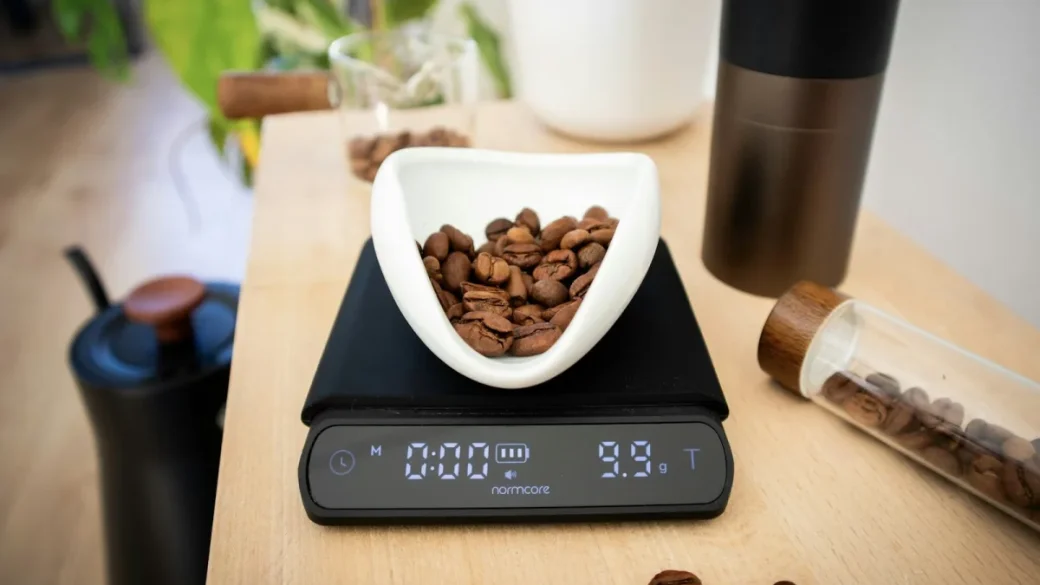
I run 18.0g into a standard 18g VST-style basket and target 36g in the cup. That’s a 1:2 ratio, the honest middle of the road for espresso. I put the dose weight on a 0.1g scale and I don’t fudge it.
Why lock these? Because if grind, dose, and yield all move at once, you learn nothing from the shot. One variable at a time or you’re just guessing with expensive coffee.
Change one thing, taste, change one thing, taste. The moment you move two variables you’ve turned a measurement into a coin flip.
Pick a ratio and commit
Fruity light roasts I’ll sometimes stretch to 1:2.2 or 1:2.5 for clarity. Chocolatey darker roasts I might pull tighter at 1:1.8. But I decide that before the first shot and hold it for the whole session.
The first pull is a probe, not a coffee
My first shot on a new bag is diagnostic. I don’t care if it’s good. I care what it tells me.
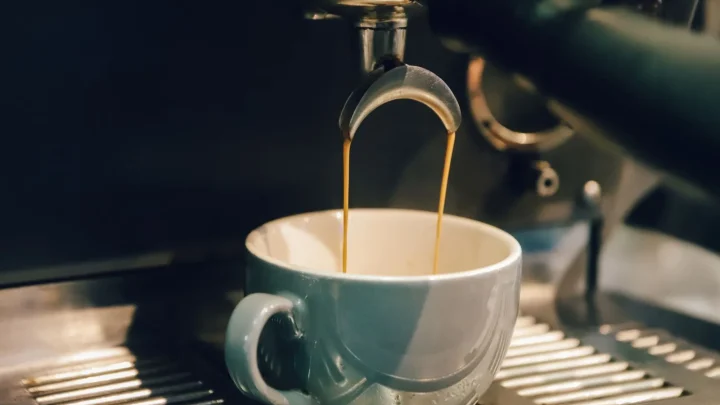
I grind at my logged setting, dose 18.0g, pull for 36g, and I clock the time. If that shot runs 36g in under 22 seconds, I’m too coarse and it’ll taste sour and thin. If it takes more than 32 seconds, I’m too fine and it’ll be bitter and dragging.
Fresh bags almost always run fast at first. A coffee three days off roast is still degassing CO2, and that gas disrupts the puck and speeds up flow. So on day one of a new bag I expect to grind finer than my old setting, sometimes noticeably.
Pull your first probe shot without even tasting it, just watching the time. Get the flow into the 25-30 second window first. Only start tasting once the timing is in the neighborhood, otherwise you’re judging flavor on a shot that was never going to be right.
Adjust grind, then taste, in that order
Once the probe tells me the direction, I move grind and only grind.
Too fast and sour? I go finer, one small step. On a stepped grinder that’s one click. On a stepless like the Niche it’s maybe 5 degrees of dial rotation. Then I pull again, same dose, same yield.
Too slow and bitter? Coarser, one step, pull again. I’m hunting for that 25-30 second window for a 1:2, and I’ll usually land it within two or three adjustments.
Purge the grinder between changes
Here’s a fault I see constantly. Someone changes the grind, immediately doses, and pulls a wildly inconsistent shot. The chamber still had grounds at the old setting mixed in.
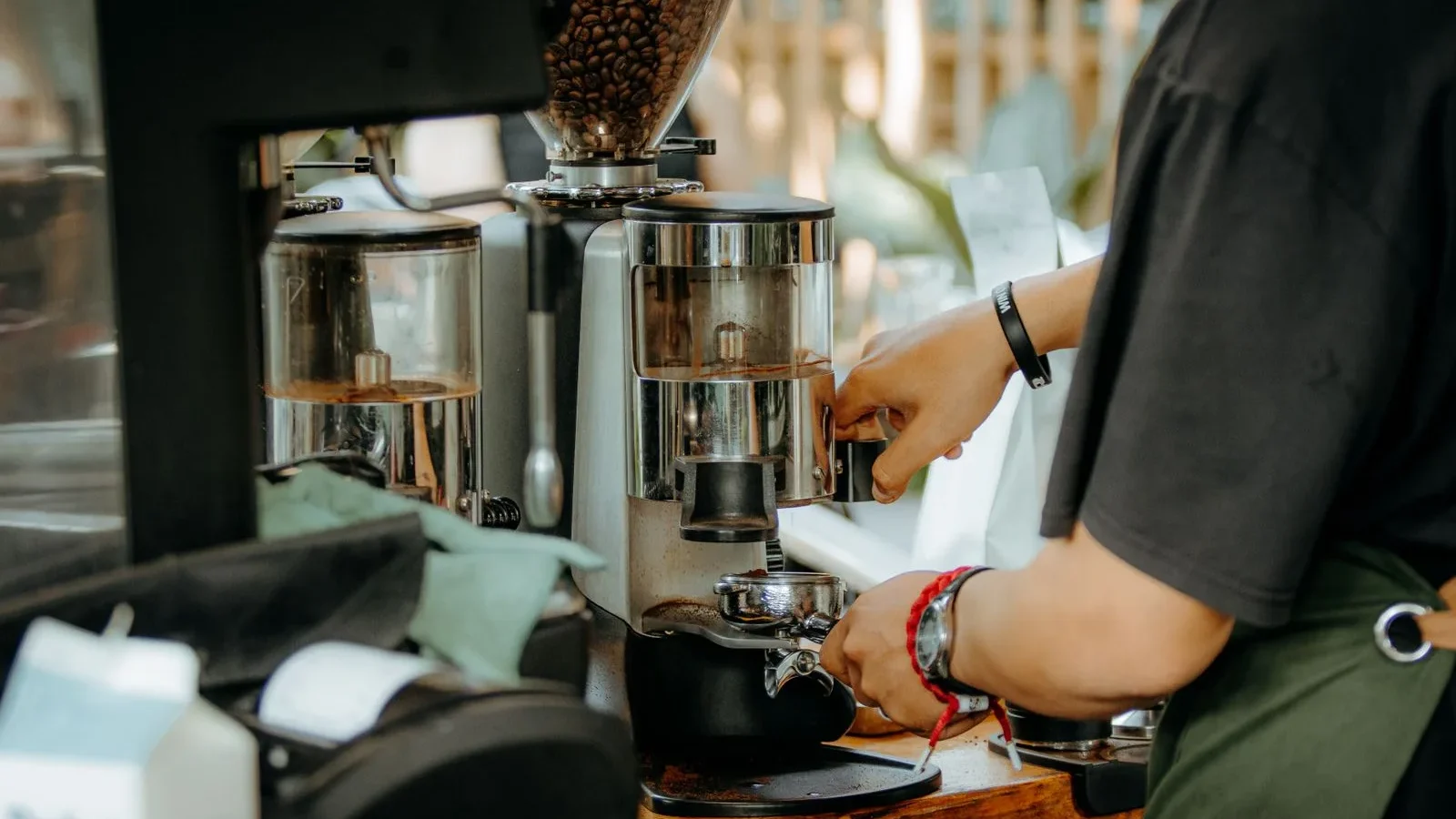
After any adjustment, run 3-5g of throwaway beans through to clear the old grind, then dose your real shot. On grinders with big retention this matters even more. Skip it and every dial-in shot lies to you.
If you’re adjusting a grinder while it’s running, keep fingers well clear of the burr chamber and hopper throat. Those burrs turn at real torque and won’t stop for a fingertip. On stepless grinders, only adjust with the motor off unless the manufacturer specifically says the collar is safe to turn under load.
Now taste, and read what the cup is telling you
Timing in the window, grinder purged, now the flavor matters. This is where most people misread the signal.
Sharp, sour, lemony, thin, an empty finish? That’s under-extraction. Grind finer. I break this down properly in my piece on fixing sour espresso shots, because sour and weak get confused constantly.
Harsh, drying, ashy, bitter, hollow in the middle? Over-extraction. Grind coarser. My walkthrough on taming bitter, over-extracted espresso goes deep on the difference between bitter-because-fine and bitter-because-stale.
The trap is that a fast shot can taste bitter from bad channeling, not from being coarse. That’s why timing and distribution come before you trust the tongue. Extraction science backs the basic frame here, and the Specialty Coffee Association has good reference material if you want the numbers behind it.
A quick sanity checklist before you blame the grind
- Dose weight actually 18.0g, not 17.4g from a lazy scoop
- Puck distributed and tamped level, no channeling
- Basket and shower screen clean, not clogged from the last bag
- Water temp stable, machine fully warmed up for 20+ minutes
- Beans within a sane rest window, not day-one gassy or month-old flat
If any of those are off, fix them before you touch the grinder. A tilted tamp or a dirty screen will fake a grind problem all day long. Getting the actual grind target right is its own topic, and my breakdown of espresso grind size pairs with this routine.
Respect the rest window and re-check across days
A bag isn’t static. The same coffee tastes different on day 3 versus day 10 off the roast date, and your settings have to move with it.
I like beans in the 5-14 day window off roast for espresso. Too fresh and the CO2 makes flow erratic and the crema huge but the taste sharp. Too old, past three or four weeks, and it goes flat, papery, and pulls fast no matter how fine you grind.
So the setting I nail on day 4 isn’t permanent. As the bag degasses over the following week, flow slows and I’ll often nudge a click coarser mid-bag to keep the timing honest. If you want the background on why fresh coffee behaves this way, the Wikipedia entry on espresso has a solid overview of extraction and crema.
| Days off roast | What I expect | My move |
|---|---|---|
| 1-3 days | Fast flow, big crema, sour edge from CO2 | Grind finer, or wait if you can |
| 4-14 days | Sweet spot, stable flow, best flavor | Dial in and enjoy |
| 15-28 days | Flow slowing then flattening, muted taste | Nudge coarser as it ages |
| 28+ days | Flat, papery, pulls fast and thin | Time to open the next bag |
What I actually do with a fresh bag, start to finish
Put together, my whole routine for a new bag takes maybe four shots and ten minutes of coffee. Log the old settings, lock dose and yield, pull a timing probe, adjust grind alone until the window is right, then taste and fine-tune by one click at a time.
The coffee you “waste” on the probe shots isn’t waste. It’s the cheapest diagnostic tool you own, cheaper than a $400 grinder upgrade you don’t need. A bag of good beans runs $16 to $22, and three probe shots is under a dollar of coffee to save the other forty shots in the bag.
Do this every fresh bag and it stops being a fight. You start reading a new coffee the way you’d read a familiar machine, and the frustrated-owner-on-the-bench feeling just goes away.
Frequently asked questions
Roasters work in batches, and even the same coffee can vary slightly between roasts in density and moisture. On top of that, your last bag was likely more rested and degassed than the fresh one. A new bag off the roast date holds more CO2, which speeds up flow and pushes the taste sour, so it usually needs a finer grind than the bag you just finished.
With a routine, three to four. One probe shot to read the timing, one or two grind adjustments to hit the 25-30 second window, and a final taste-and-tweak. If it's taking you ten or more, you're probably changing more than one variable at once or not purging the grinder between adjustments.
Almost always finer, at least for the first few days. Fresh beans are still releasing CO2, which disrupts the puck and speeds up the shot, making it run fast and sour. Grinding finer slows the flow back into range. As the bag ages past a week or two, you'll often need to walk the grind back coarser.
For espresso I aim for at least 4 to 5 days off the roast date, ideally landing in the 5 to 14 day window. You can pull shots on day one, but the flow is erratic from all the gas and your settings won't hold once it degasses. Resting a few days gives you a more stable baseline to dial against.
Start by changing only grind. Lock your dose (say 18g) and yield (say 36g) so you're isolating one variable and can actually learn from each shot. Once grind gets you into the right time window and the taste is close, then you can experiment with stretching or tightening the ratio for that specific coffee.
Two usual suspects. If the beans are very fresh, extreme CO2 can keep flow fast and choppy, so give it a couple more days to rest. If the beans are stale, past three or four weeks off roast, they go brittle and channel, and no grind setting fixes that. Also check for a clogged basket or channeling from a poor tamp before blaming the beans.