Key takeaways
- Coarsen the grind by 2-3 steps first - it does more for bitterness than any other single change.
- Drop brew temperature to 198-200F for dark roasts; heat is the second-biggest driver of bitter shots.
- Watch your ratio and time: a 1:2 shot in 25-30 seconds is your target before you chase anything else.
- A lingering dry, ashy aftertaste means over-extraction; a puckering sour zing means the opposite problem.
The complaint lands on my bench at least once a week. Someone drags in a two-year-old Breville Barista Express, sets it down, and says the coffee “tastes burnt” even though the machine works fine. Nine times out of ten there’s nothing wrong with the hardware at all.
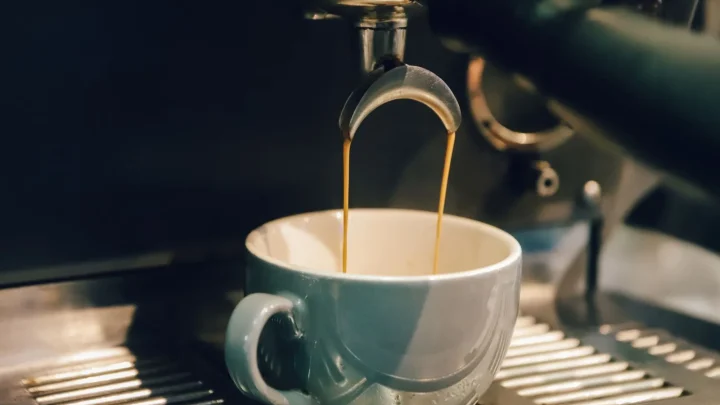
What they’re tasting is over-extraction. The water spent too long pulling too much out of the grounds, and it dragged the harsh, drying compounds out along with the good stuff.
The fix is almost never a repair. It’s grind, water temperature, and a stopwatch – and I can usually get a shot back to drinkable in three or four pulls.
What bitter actually means in the cup
Bitterness isn’t a flavor you can wave away as “strong coffee.” It’s a signal. When you taste that dry, ashy, almost aspirin-like note that clings to the back of your tongue after you swallow, that’s the late-stage extraction compounds – heavier phenolics and dissolved solids that only come out once the sweet and acidic bits are already gone.
A well-pulled shot pulls the pleasant stuff first: fruit, caramel, body. Push the extraction too far and you start scraping the bottom of the barrel. The result reads as burnt even when nothing was scorched.
This is the flip side of a problem I’ve written about in Fixing Sour Espresso: Causes and Cures. Sour is under-extraction – you stopped too early. Bitter is the opposite fault, and the fixes run in the opposite direction.
Sour means you didn’t pull enough out. Bitter means you pulled too much. Everything else follows from which side of that line you’re on.
Extraction is just the percentage of the coffee grounds that dissolves into your cup. Most people land somewhere between 18 and 22 percent for a balanced shot. Bitter usually starts creeping in past roughly 22-23 percent, when the water keeps working long after the good flavor is spent.
Coarsen the grind first – always
If I could only change one variable, it’d be this one. Grind size controls how fast water moves through the puck, and speed is everything in extraction.
Grind too fine and the water crawls through, staying in contact far too long and stripping out those bitter solids. Coarsen the grind and the water flows a little faster, spends less time in the bed, and stops before it over-extracts.
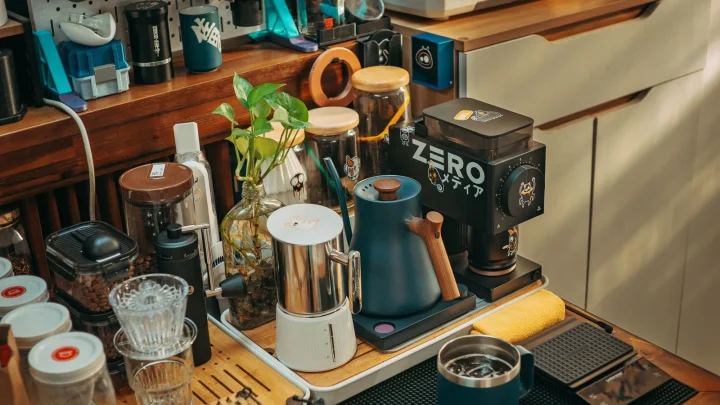
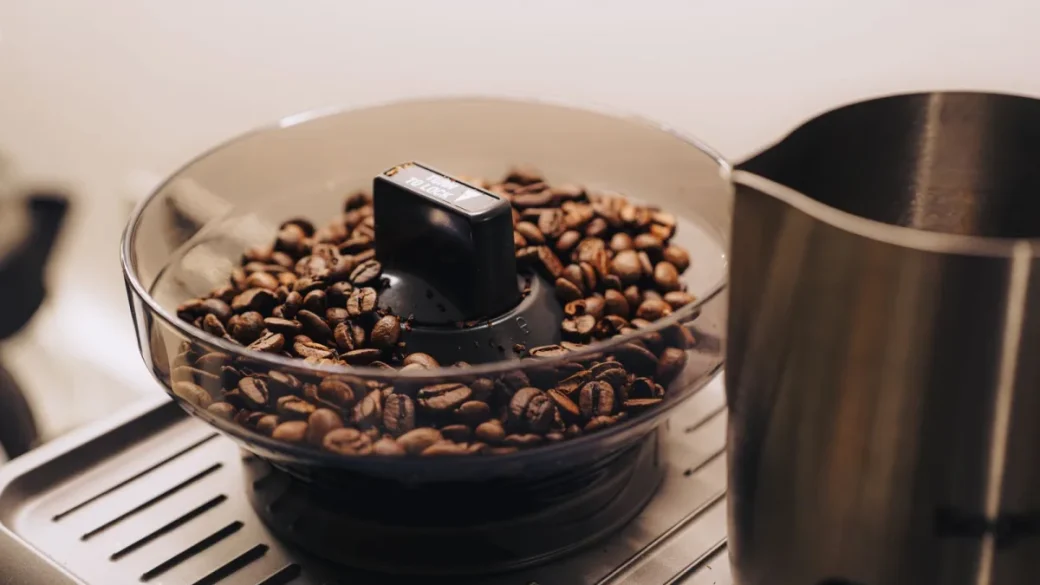
Go two to three steps coarser on your grinder and pull again. On a stepped grinder like the Baratza Encore ESP, that’s a noticeable move. On a stepless like a Niche Zero, nudge the dial maybe 3-4 marks toward coarse.
How to read the shot time
Time your pull from the moment you hit the button. A standard double should hit its target weight in about 25 to 30 seconds. If your shot is running 40 seconds and tastes bitter, your grind is choking the flow – coarsen it.
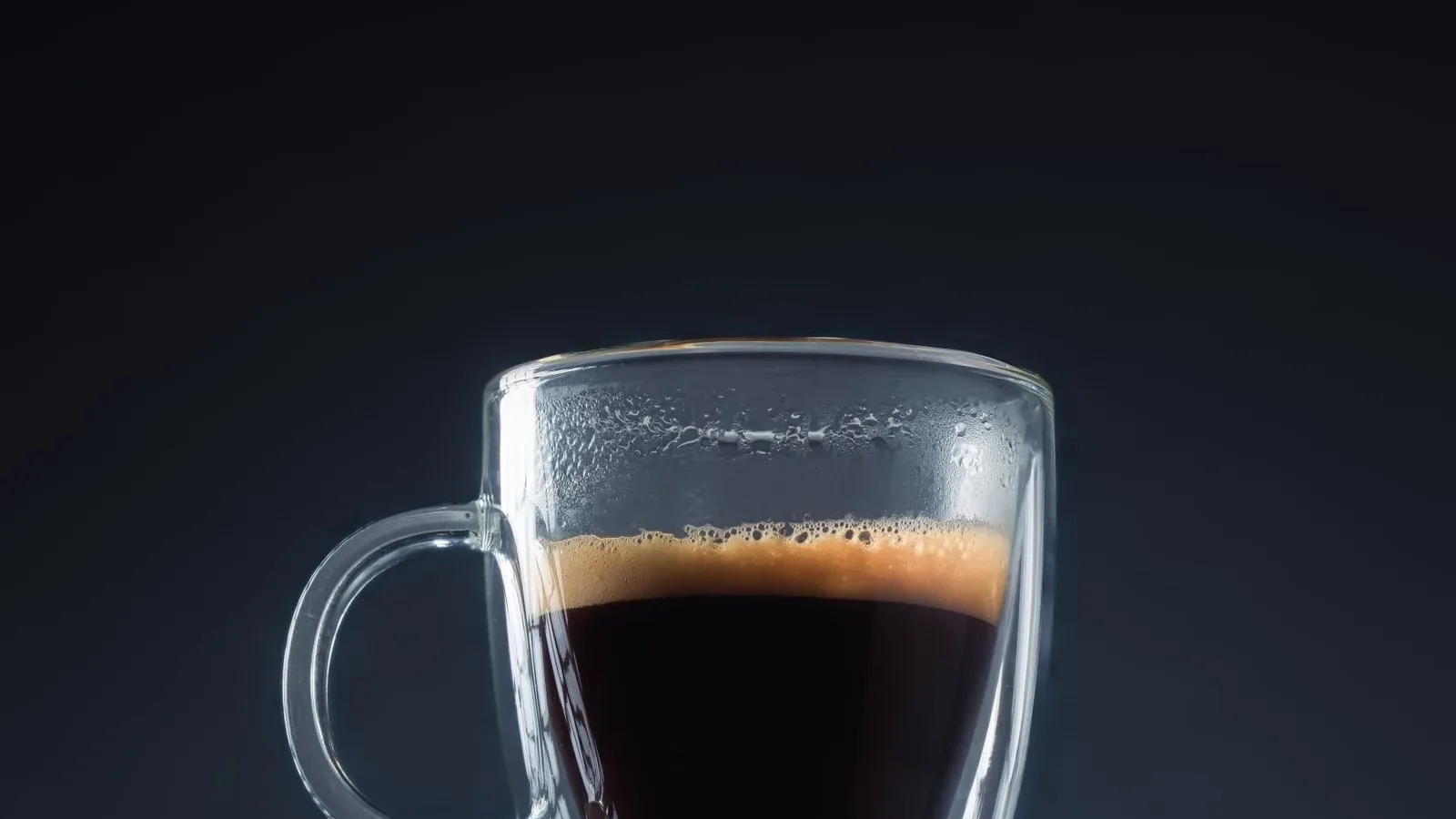
Watch the pour, too. A bitter, over-extracted shot often starts strong then thins out into a pale, watery blonde stream that keeps dribbling. That blonding tail is where a lot of the bitterness lives. I’d rather cut the shot early than let it run into that phase.
Change one variable at a time and pull a fresh shot between each change. If you coarsen the grind, drop the temperature, and shorten the ratio all at once, you’ll never know which one actually fixed it – and you’ll waste a lot of beans getting lost.
Grind is worth its own deep look if you’re still guessing at dial settings. I walk through the whole range in Espresso Grind Size: Getting It Just Right.
Cool the water down
Temperature is the second lever, and it’s the one most home baristas never touch because half of machines don’t let you.
Hotter water extracts faster and harder. Push brew temp too high and you’ll drag out bitterness even with a decent grind. For medium and dark roasts especially, dropping the temperature buys you a smoother cup.
The Specialty Coffee Association points to a brewing sweet spot roughly in the 195-205F range. I aim toward the lower half of that for anything roasted dark.
Rough targets by roast
| Roast | Brew temp | Why |
|---|---|---|
| Light | 202-205F | Dense beans need heat to extract fully |
| Medium | 200-202F | Balanced – start here if unsure |
| Dark | 198-200F | Already soluble; heat pushes it bitter fast |
On a machine with PID control, like a Rancilio Silvia Pro or a Gaggia Classic with an aftermarket PID kit, you just dial it in. On a basic single-boiler with no temperature readout, use the surfing trick: after the machine hits ready, wait about 30 seconds so the boiler cools slightly, then pull. It knocks a few degrees off and it genuinely helps.
Never open a boiler, swap a thermostat, or fit a PID kit while the machine is plugged in or still under pressure. Unplug it, let it cool completely, and bleed any residual steam pressure through the wand before you touch a single screw. Boiler water sits well above 200F and it does not forgive shortcuts.
Check your ratio and stop the shot on time
Even with the right grind and temperature, letting a shot run too long over-extracts it. The longer water keeps flowing through the puck, the more of the bitter tail ends up in your cup.
I dose most doubles at 18 grams in and pull to 36 grams out – a 1:2 ratio – and I put the cup on a scale every time. If you’re pulling to a much longer ratio like 1:3 or 1:4 and tasting bitterness, that extra water is running through spent grounds and washing out harshness.
If the concept of ratios is fuzzy, the full breakdown lives in Espresso Ratios Explained: 1:2, 1:3 and Beyond.
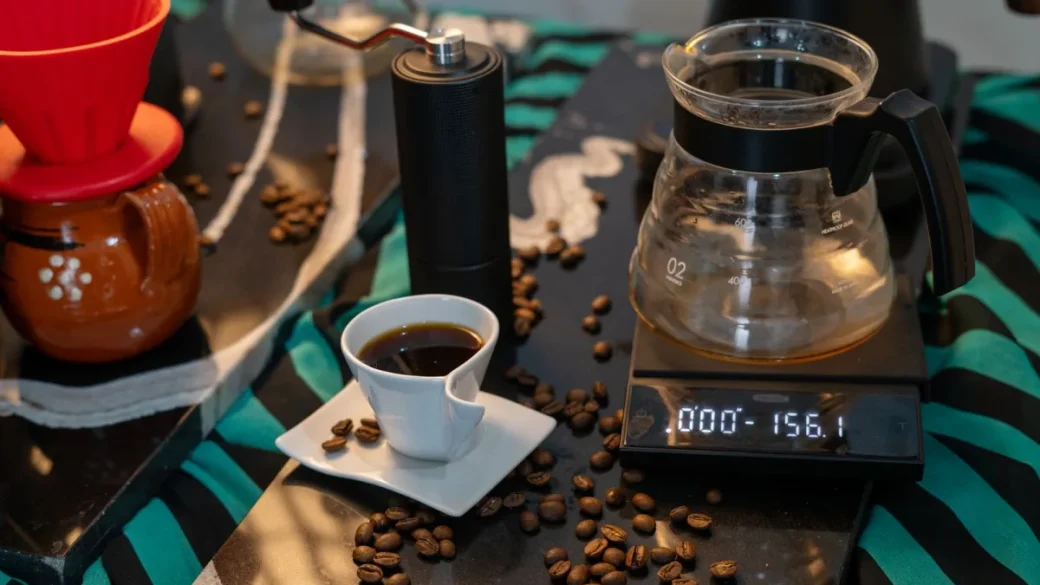
- Dose weighed on a scale, not eyeballed by the doser
- Yield weighed too – stop the shot at your target grams, not by look
- Shot timed from first press of the button
- Fresh beans, ideally 7 to 21 days off roast
- Grind coarsened before you touch anything else
A quick worked example from last month
A customer brought in a De’Longhi Dedica swearing every shot was “espresso-flavored battery acid,” his words. The machine tested fine on pressure and temperature.
His grinder was set two clicks too fine and his shots were running 38 to 42 seconds. He was also using a two-month-old dark roast, which is already fragile.
We coarsened three steps, which dropped his shot time to about 27 seconds. That alone killed most of the bitterness. Fresh beans and a slightly shorter 1:2 pull finished the job, and he walked out without paying for a single part. The whole session cost him nothing but a bag of beans, about $18.
Stale beans fake over-extraction. As coffee ages past a month it loses CO2 and the puck lets water channel and over-soak, producing a flat, bitter cup no grind change will fully rescue. Before you chase settings, check the roast date on the bag.
Where to go once the bitter is gone
Get one clean, balanced shot and lock those numbers down – grind setting, dose, yield, time, temperature. Write them on a sticky note stuck to the machine. That baseline is worth more than any gadget you could buy.
From there, change only one thing at a time when you switch beans or chase a specific flavor. A lighter roast might want a finer grind and hotter water; a fresh dark roast might want to go coarser still. The direction is always the same logic you just used, run in reverse.
If you want the full picture of how these variables fit together from the first tamp to the final pour, that’s exactly what I laid out in How to Pull the Perfect Espresso Shot. Bitter shots are almost always a dial-in problem, not a broken machine – and dial-in problems you can fix at home before lunch.
Frequently asked questions
Dark-roast bitterness tends to be a smoky, roasty note that sits evenly across the whole sip. Over-extraction bitterness is different - it's a dry, ashy, astringent finish that lingers and pulls at the back of your tongue after you swallow. If coarsening the grind two or three steps softens that dry finish, it was over-extraction, not the roast.
Coarsen the grind first, every time. Grind size has the largest single effect on extraction and it's the change most likely to fix a bitter shot on its own. Only reach for temperature adjustments once your grind and shot time are already in a sensible range, roughly 25 to 30 seconds for a double.
Yes. Use temperature surfing: after the machine signals ready, wait about 30 seconds before pulling so the boiler cools a few degrees. It's crude but effective on single-boiler machines like the Gaggia Classic or De'Longhi Dedica. Combine it with a coarser grind and you'll get most of the way there without any hardware.
Check your beans. Coffee older than about a month loses CO2, lets water channel through the puck, and produces a flat, bitter cup that no grind change fully rescues. Also weigh your yield - a shot that runs long into a pale, blonde stream is dragging bitter compounds into the cup even when everything else is dialed.
Partly. Stopping the shot earlier, at a 1:2 ratio instead of letting it run to 1:3 or beyond, cuts off the bitter blonding tail and helps. But if the underlying grind is too fine, the water is still over-soaking the grounds early in the pull. Coarsen the grind and control the yield together for the cleanest result.
Rarely. In my shop, the vast majority of bitter-shot complaints trace back to grind, water temperature, shot time, or stale beans - not a fault in the machine. Rule those four out first. Only if a balanced set of numbers still produces a scorched cup would I start suspecting a stuck thermostat or an overheating boiler.