Care
How to Clean & Descale an Espresso Machine
Learn how to clean and descale an espresso machine on a real technician's schedule, with backflush steps, descaling intervals, and links to model-specific fixes.
July 6, 2026 6 min read
Clear, technician-written guides to troubleshoot faults, clean and descale properly, replace worn parts, and finally dial in shots that taste the way you paid for.
From a machine that won’t switch on to a shot that won’t taste right - every problem has a home here.
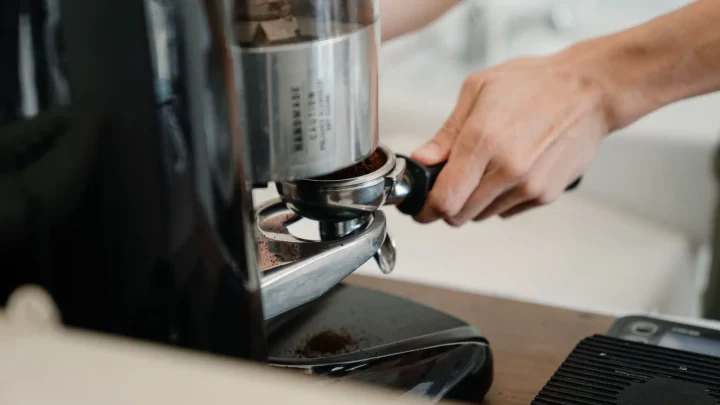
When your machine sputters, leaks, or refuses to build pressure, this is where you start. Our troubleshooting guides…
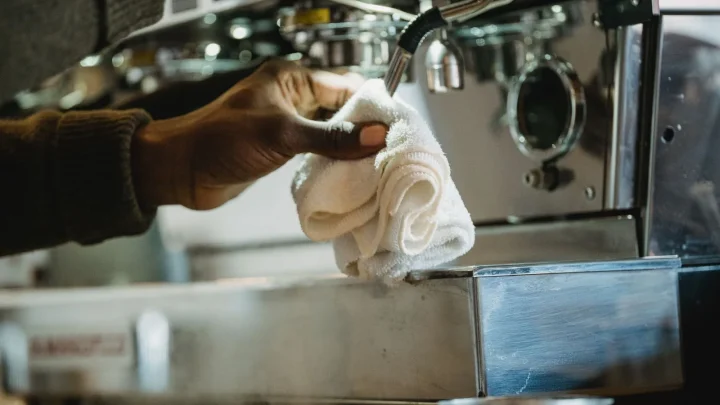
A home espresso machine is basically a small pressure vessel that pushes hot water through coffee oils and…
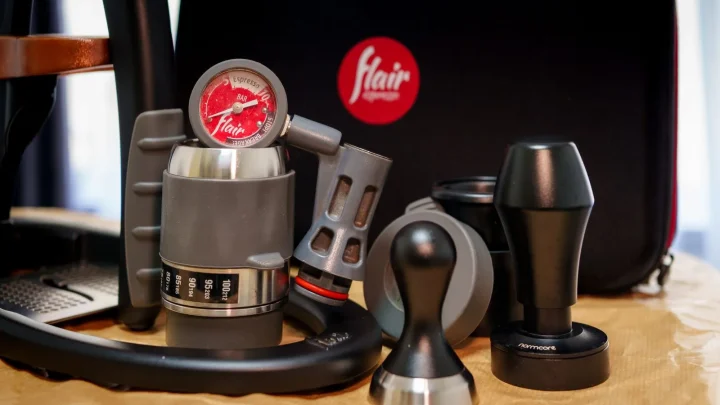
Some fixes go beyond cleaning - a torn group gasket, a tired pump, a solenoid that clicks but…
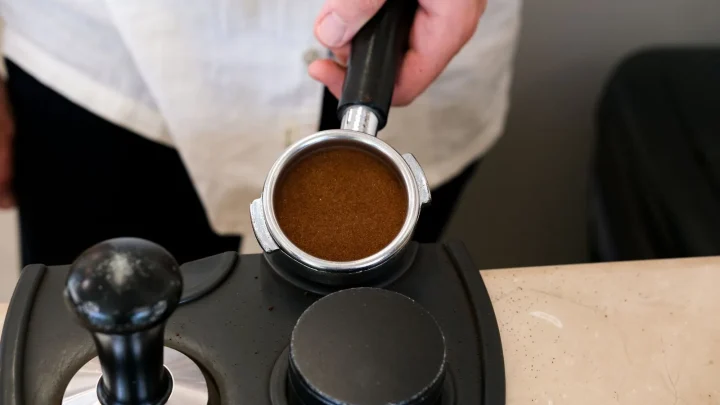
A perfectly maintained machine still pulls bad shots if the grind, dose and technique are off. This section…
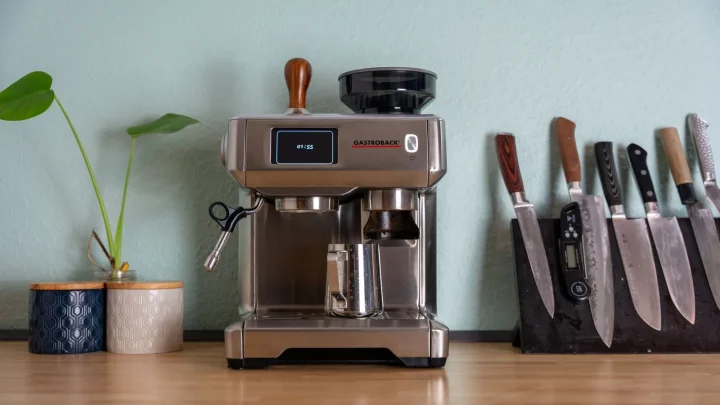
Before you fix a machine - or replace one - it helps to understand what you actually own.…
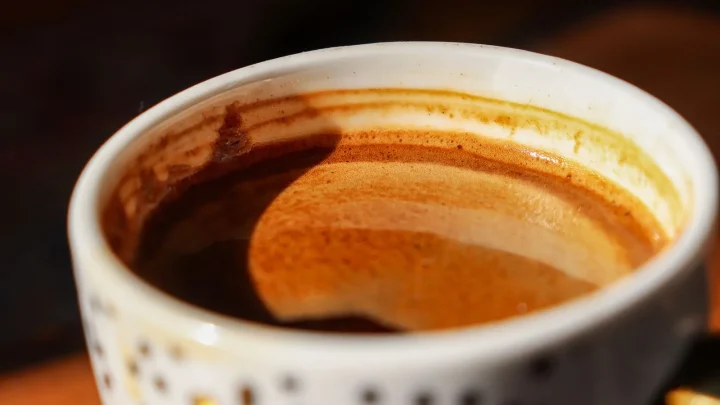
New to espresso? Start here. This section explains how the whole thing works - what those nine bars…
Learn how to clean and descale an espresso machine on a real technician's schedule, with backflush steps, descaling intervals, and links to model-specific fixes.
Learn what espresso dose and yield mean, plus how the brew ratio ties them together. A plain-language primer on the…
A repair tech's shortlist of the best prosumer espresso machine picks - E61 and heat-exchanger models worth the money when…
The most common espresso dialing in mistakes I see on the bench, from changing two variables at once to skipping…
A tech breaks down espresso machine repair cost by job: real part prices vs workshop labor for the 10 most…
Learn how to clean espresso grinder burrs, hopper, and chute the right way. A repair tech's step-by-step routine to clear…
Rancilio Silvia no steam? Walk through the four real causes a tech checks first - thermostat, wand, boiler scale and…
Every guide is grounded in real repairs on real home machines - not rewritten spec sheets.
We flag the electrical and pressure risks clearly, and tell you when to call a pro.
No manufacturer sponsorship. We recommend the fix, not the most expensive option.
Nine times out of ten it’s grind, dose or a clogged shower screen before it’s a broken pump. Check those first, then look at the group gasket and the pump itself. Our troubleshooting guides walk through each in order.
With medium-hard water, roughly every 4–8 weeks. With a water softener or filtered water, every 2–3 months is usually fine. Hard water means more often - limescale is the number-one killer of home machines.
Usually yes. Many common faults are a cheap gasket, seal or valve away from fixed, and even a pump swap costs far less than a new machine. We flag the few cases where replacement genuinely makes more sense.
Sour usually means under-extraction (grind too coarse, dose too low, or water too cool); bitter usually means the opposite. It’s fixable by adjusting one variable at a time - our brewing guides show exactly how.