Key takeaways
- Match the boiler to your milk habit: single boiler for straight espresso, heat exchanger or dual boiler if you steam daily.
- Budget for a grinder separately - plan 30 to 40 percent of your total spend on it, not the machine.
- Single-boiler workhorses like the Gaggia Classic and Rancilio Silvia are the easiest machines to keep alive for a decade.
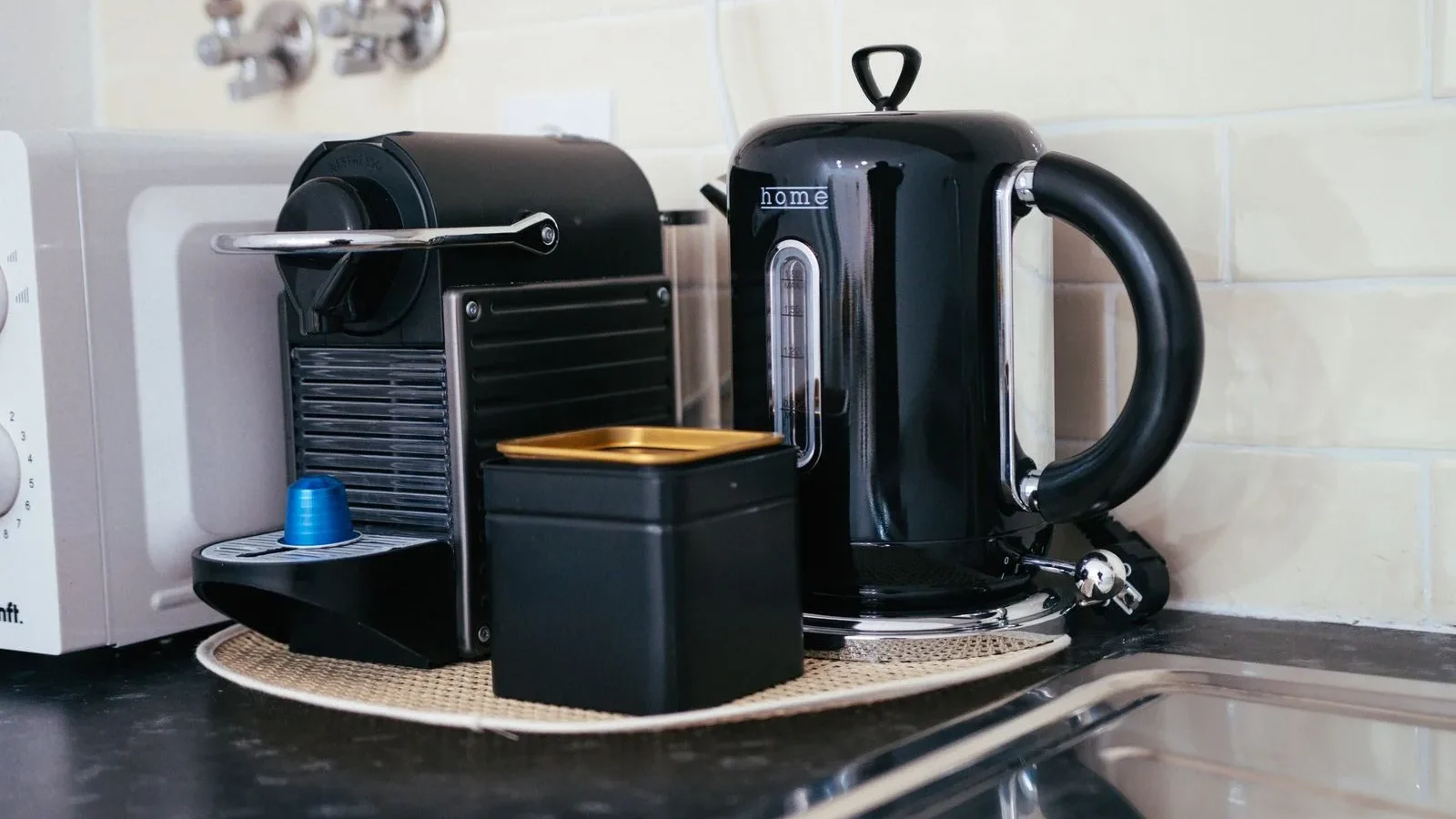
- Avoid all-in-one pod-plus-espresso hybrids if you ever want to pull a real double shot; the pressure and temp control aren't there.
I have a shelf in my workshop I call the graveyard. It’s stacked with machines people bought on a Black Friday impulse, used four times, and abandoned when the pump started rattling. Nine out of ten of them were the wrong machine for the person, not a bad machine.
Choosing well is less about the badge on the front and more about three honest questions: how do you take your coffee, how much bench space and money do you actually have, and how much fiddling do you enjoy?
Get those right and the shortlist writes itself. Get them wrong and you join the graveyard.
Start with the boiler – it decides almost everything
The boiler is the heart of the machine, and its type shapes price, size, and how the thing behaves on a busy morning. There are three you’ll meet as a home buyer.
Single boiler
One boiler does both jobs – brewing at around 200°F and steaming at roughly 250°F – but it can only do one at a time. You pull your shot, flip a switch, wait 30 to 45 seconds for the boiler to climb to steam temperature, then froth.
For someone drinking mostly straight espresso or the odd flat white, this is genuinely fine. The Gaggia Classic vs Rancilio Silvia matchup lives entirely in this category, and both are machines I’d happily keep running for 15 years.
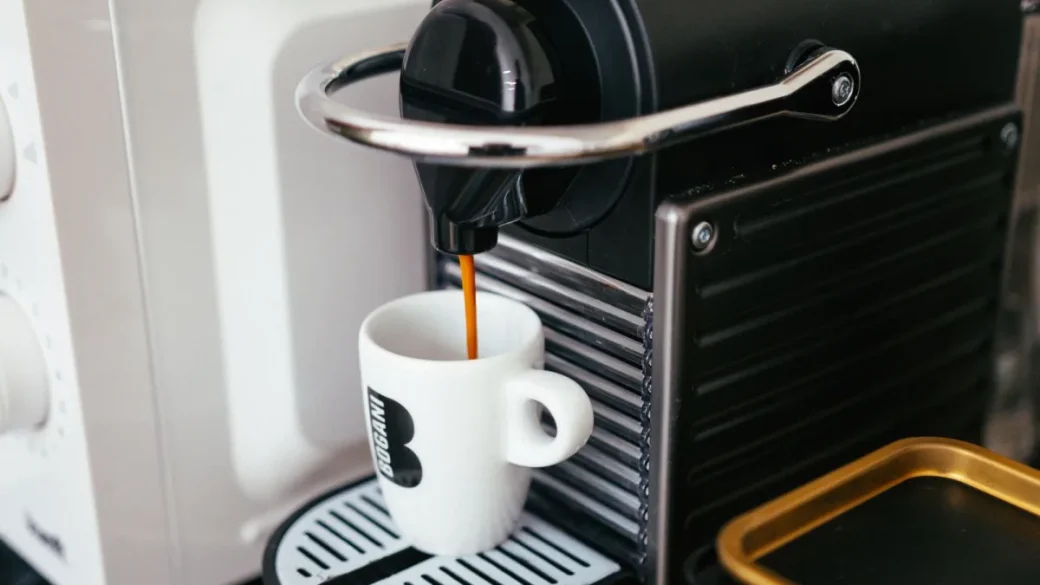
Heat exchanger (HX)
A heat exchanger keeps the boiler at steam temperature permanently and pulls brew water through a pipe running inside it. You can steam and brew at the same time, which changes the whole rhythm of a milk drink.
The catch: HX machines run hot and need a “cooling flush” – a short burst of water down the drain before each shot to drop the brew temperature into range. It’s a small ritual, but one that trips up new owners.
Dual boiler
Two separate boilers, independently controlled. Steam and brew temperatures are both dialed in and stable, which is why every café-style setup ends up here eventually.
You pay for it, though – dual boilers usually start around $900 and climb fast.
Espresso is defined by pressure, not just heat – around 9 bars of it forced through a compacted puck. The history of the espresso machine is basically a century of engineers chasing that number reliably.
Set a real budget – and split it in two
The single biggest mistake I see is people spending their entire budget on the machine and grinding beans with a $30 blade grinder. That’s like buying a sports car and running it on lawnmower fuel.
Your grinder matters as much as your machine, sometimes more. Plan to put 30 to 40 percent of your total into it.
A great grinder on a modest machine beats a great machine on a bad grinder. Every single time.
Here’s roughly where the money lands, machine only, for a genuinely usable setup.
| Budget (machine only) | What you realistically get | Boiler type |
|---|---|---|
| $100–$250 | Entry single boiler, plastic bits, slow recovery | Single |
| $400–$700 | Solid single boiler or all-in-one with grinder | Single |
| $700–$1,200 | Prosumer HX or entry dual boiler | HX / Dual |
| $1,200+ | Serious dual boiler, PID, commercial parts | Dual |
If your total budget is $500, buy a $250 machine and a $250 grinder – not a $480 machine and whatever’s left. Your cup will taste better and I’ll see you in the shop less often.
Pick your machine class by how much you want to touch it
Machines sort into three families based on how much of the process they automate. This is really a question about your personality, not your skill.
Semi-automatic
You control the grind, the tamp, and when to stop the shot; the pump handles the pressure. This is the heart of home espresso and where nearly all the machines worth owning sit.
The Breville Barista Express vs Barista Pro pair are semi-autos with a grinder bolted on, which is why they’re such common first buys – around $600 to $800 and you’re pulling shots the same afternoon.
Automatic and super-automatic
Super-autos grind, dose, tamp, brew, and sometimes froth at the push of one button. Bean-to-cup machines from the likes of De’Longhi live here, often $700 to $1,500.
They’re brilliant for a household that wants coffee without a hobby. The trade-off is control and repairability – when the brew unit wears, it’s a costly module swap, not a $12 seal.
Manual lever
You supply the pressure with your own arm. Beautiful, tactile, and unforgiving – I’d never point a first-timer here, but they’ll last forever and there’s almost nothing to break.
Cheap pressurized “espresso” makers that clamp to 15+ bars with no relief valve can spit scalding water if the puck channels. Stick to machines with a proper over-pressure valve (OPV) set near 10 bars – every reputable brand from Breville to Gaggia includes one.
The features that actually matter (and the ones that don’t)
Marketing pages love a spec sheet. Most of it is noise. Here’s what I check when someone asks me to vet a machine before they buy.
- A PID temperature controller – holds brew temp within a degree or two, worth every penny.
- A three-way solenoid valve – releases puck pressure so the grounds knock out dry instead of splattering.
- A 58mm portafilter – the commercial standard, so baskets and accessories are cheap and everywhere.
- A real metal steam wand, not a “panarello” frothing aid, if you care about latte art.
- Serviceable parts you can name and buy – gaskets, seals, the brew group.
The “19 bar pump” boast on the box? Ignore it. That’s the pump’s maximum, not what reaches the coffee – the OPV bleeds it back to about 9 bars, which is the whole point.
Where to point yourself next
If you narrow to the three questions I opened with – milk habit, budget split, and appetite for fiddling – you’ll land on a category before you ever look at a specific model.
For most people reading this, that lands on a semi-automatic single or heat-exchanger machine in the $500 to $900 window, paired with a burr grinder that cost about a third of the total. It’s the sweet spot I’ve recommended for a decade, and it’s the one that stays off my graveyard shelf.
Still stuck between two names? Our rundown of the best first espresso machine for beginners takes the categories here and turns them into an actual shortlist you can buy from this weekend.
Buy the machine that matches how you’ll really drink your coffee on a rushed Tuesday – not the one you imagine yourself using on a perfect Sunday. Ten years on the bench has taught me those are almost never the same machine.
Every hands-on guide in this section, in one place:
- Breville Barista Express vs Barista Pro
- Gaggia Classic vs Rancilio Silvia
- Best First Espresso Machine for Beginners
- Single vs Dual Boiler Espresso Machines
- Thermoblock vs Boiler: What to Buy
- Semi-Auto vs Super-Auto Espresso Machines
- Best Espresso Machines Under $500
- Does a PID Controller Actually Help?
- Buying a Used Espresso Machine: Checklist
- De'Longhi Espresso Machines Compared
- Gaggia Classic Mods Worth Doing
- Are Manual Lever Espresso Machines Worth It?
- Espresso Machine Upgrade Path Explained
- Espresso Machine Reliability by Brand
Frequently asked questions
You need a burr grinder, and it's not optional for real espresso. Pre-ground coffee is too coarse and too stale to build the 9 bars of resistance a shot needs, so you'll get sour, watery results no matter how good the machine is. Budget 30 to 40 percent of your spend on the grinder.
It can be, if you don't mind waiting. After pulling your shot you flip to steam and wait 30 to 45 seconds for the boiler to heat up before frothing. For one or two milk drinks a day that's fine; for a busy household serving several in a row, a heat exchanger or dual boiler saves real frustration.
It's the pump's maximum pressure, usually 15 or 19 bars, and it's mostly marketing. Espresso is extracted at around 9 bars, and a properly set over-pressure valve bleeds the excess back to that level. A 19-bar machine and a 9-bar machine pull an identical shot at the coffee.
For a first machine, yes - models like the Breville Barista Express bundle a decent grinder and machine for around $600 to $800, which is often cheaper than buying both separately. The trade-off is that the built-in grinder is rarely upgradable, so serious hobbyists eventually add a standalone one.
A well-built semi-automatic like a Gaggia Classic or Rancilio Silvia can run 10 to 15 years with basic maintenance - descaling, occasional gasket and seal swaps that cost a few dollars each. Super-automatics have more to go wrong and pricier module repairs, so they tend to have shorter practical lifespans.
Every machine needs regular descaling based on your water hardness, plus a group gasket replacement roughly every year or two and periodic backflushing on machines with a three-way valve. Check that replacement seals and gaskets are cheap and available for your model before you buy - it's the difference between a $12 fix and a dead machine.