Key takeaways
- Rule out grind and dose first - 80% of 'no pressure' Gaggia Classics are just ground too coarse or under-dosed.
- Pull a blind-basket test: if pressure holds with a blind basket but not with coffee, the machine is fine and it's a prep problem.
- A hardened group gasket (older than 2 years) is the most common hardware cause of low pressure and side-spray on the Classic.
- The OPV is factory-set near 12 bar; a stuck or misadjusted valve bleeds pressure back to the tank and starves the puck.
- A tired ULKA vibratory pump or a leaking solenoid valve are the last things to check, not the first - they're the rarest fault.
A guy dropped a 2019 Gaggia Classic Pro on my bench last spring, convinced the pump had died. It hadn’t. His grind was set for a drip machine and the basket was half full.
That’s the thing about a Gaggia Classic that won’t build pressure – nine times out of ten the machine is healthy and the problem is upstream of it. But the other one time, it’s a specific part, and this model fails in a specific order.
So let’s work through it the way I do on the bench: cheapest and most likely first, teardown last.
First, define “no pressure” on this machine
The Classic doesn’t have a pressure gauge from the factory unless you or a previous owner modded one in. So “no pressure” almost always means one of two things you can actually see.
Either water gushes through the portafilter like a garden hose with no resistance, or it dribbles out weak and pale with zero crema. Those are two different faults, and lumping them together is how people end up replacing a $35 pump that was fine.
The Gaggia Classic uses a ULKA EX5 or EP5 vibratory pump rated around 15 bar unloaded. Brew pressure at the puck is set lower – roughly 9 to 12 bar – by the over-pressure valve (OPV). The pump is rarely your problem.
If water blasts through with no resistance, you have a prep or a bypass problem – the water is finding an easier path than through the coffee. If it barely trickles, you have a blockage or a genuinely weak pump. Sort which bucket you’re in before touching a screwdriver.
Rule out the grind and dose before anything else
I know. You came here for a hardware fix. Humor me for two minutes, because this is where most of these calls end.
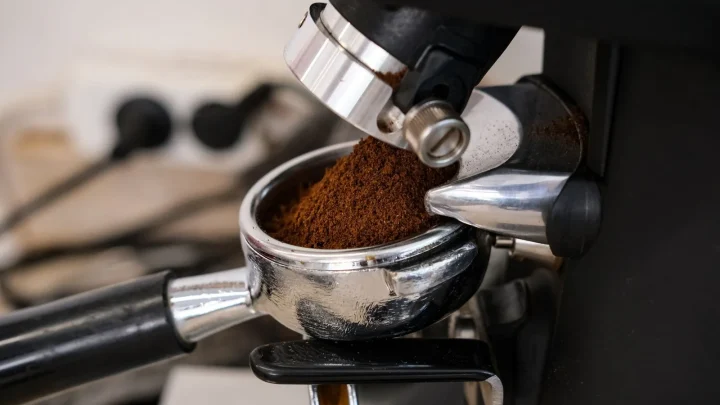
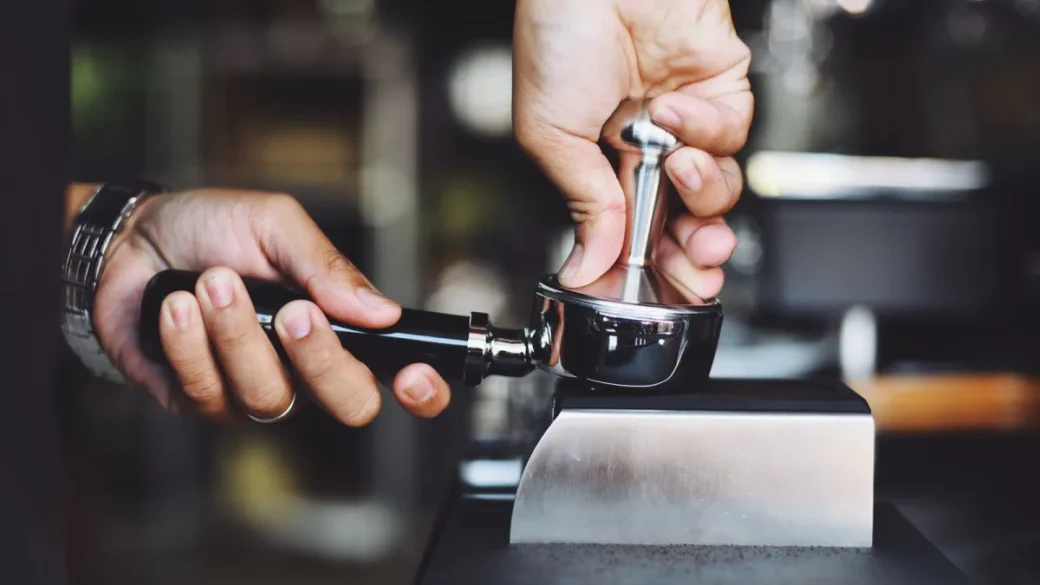
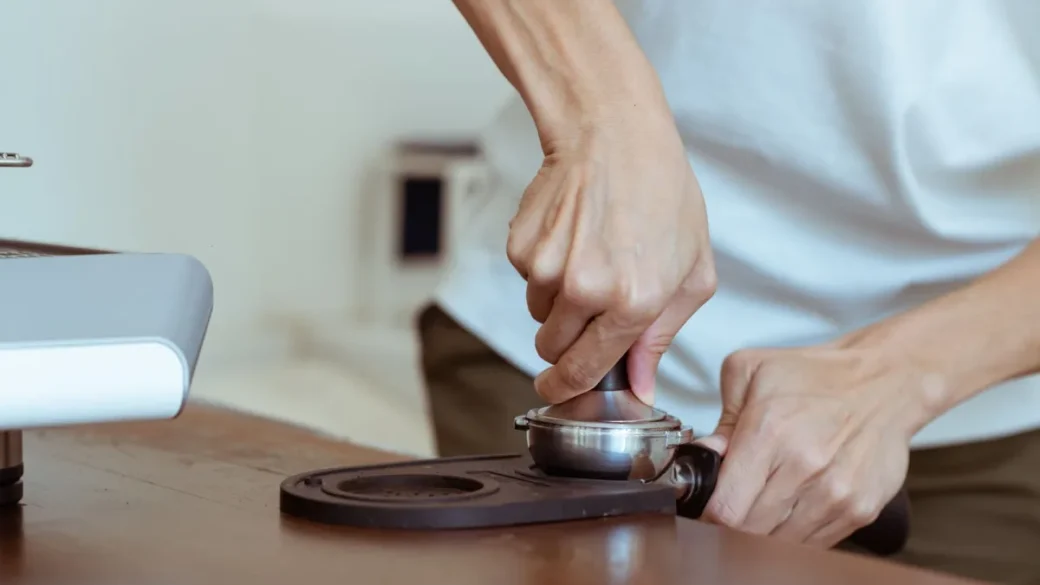
The Classic’s crema and pressure both come from the puck fighting the water. Too coarse a grind or too little coffee, and the water walks straight through. No resistance means no pressure. Simple as that.
The 18g basket trap
Stock Classics ship with a pressurized (dual-wall) basket that fakes crema and forgives bad grind. If someone swapped in a standard single-wall basket and didn’t dial in the grinder, pressure collapses instantly.
Load 16 to 18g in a double basket, tamp firm, and aim for a shot that takes 25 to 30 seconds to pour 36g. If it gushes out in 8 seconds, grind finer – don’t call a technician.
Go one or two clicks finer on the grinder and re-pull before you change anything else. On a Classic, a grind adjustment fixes “no pressure” more often than every mechanical repair combined.
The blind-basket test that splits the diagnosis in two
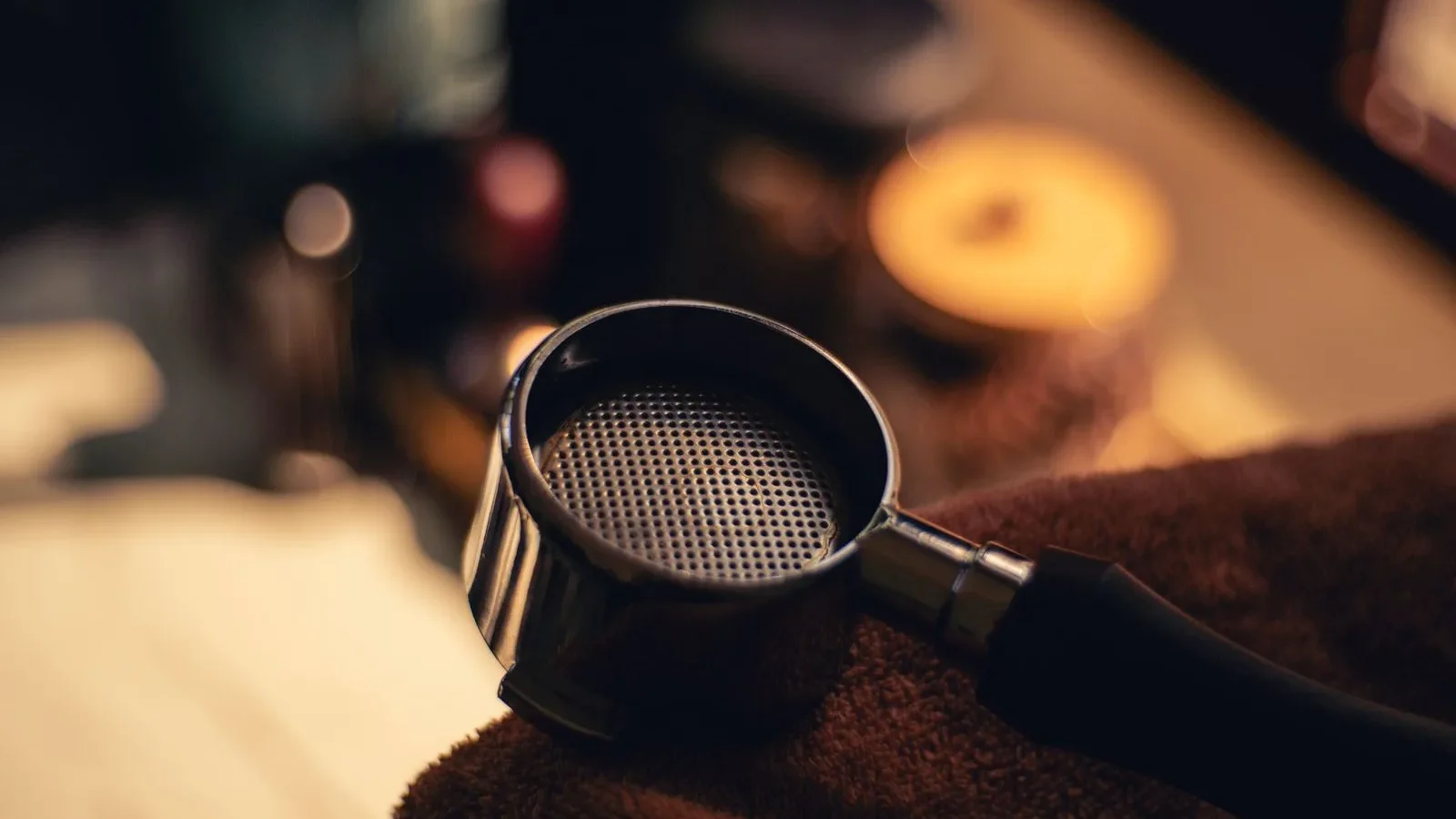
This is the single most useful thing I do, and it costs you a $6 blind (unperforated) basket.
Drop the blind basket in, lock the portafilter, and run the pump for 3 to 4 seconds. With no exit for the water, pressure should ramp hard and fast. If you’ve got a gauge, you’ll see it climb toward 10 to 12 bar; without one, you’ll hear the pump strain and note stiff and the flow stop.
If it builds full pressure against a blind basket but not against coffee, the machine is fine – the fault is in your prep or your basket.
If it won’t build pressure even against a blind basket, now you have a real hardware fault, and the next sections are for you. This test alone saves me an hour of guessing on every unit.
The over-pressure valve (OPV): the Classic’s signature culprit
Here’s where the Classic gets model-specific. The OPV is a small brass spring valve screwed into the boiler, and its whole job is to dump excess pressure back to the water tank so you don’t over-extract.
When it sticks open or was adjusted too loose, it bleeds pressure the moment the pump builds it. You get a weak, gutless shot even with a perfect grind, and often a thin stream of water trickling back into the reservoir tube during the pull.
How to spot a bleeding OPV
The factory sets the OPV near 12 bar. Many owners detune it to 9 bar for better extraction, which is fine – but a valve that’s gummed up with scale or adjusted too far will bleed at 4 or 5 bar and ruin every shot.
Descaling often frees a sticky OPV. If descaling doesn’t do it, a replacement OPV runs about $20 to $30, or you can re-adjust the existing one with a 13mm wrench, quarter-turn at a time, testing against a gauge between adjustments.
Unplug the machine and let the boiler cool completely before touching the OPV or opening the case. The Classic’s boiler holds water near 90°C during operation, and the mains terminals are live and exposed once the top comes off.
Group gasket, shower screen and the side-spray tell
The rubber group gasket seals the portafilter against the brew head. On a Classic it’s a wear item, and a hardened one is the most common hardware cause of pressure loss I see.
When it goes stiff – usually past the two-year mark, sooner if the machine lives somewhere hot – it stops sealing. Water escapes around the rim of the portafilter instead of through the puck, and you lose pressure to the leak. The tell is a fan of water spraying sideways from the group during the shot.
A genuine Gaggia group gasket is $8 to $12 and takes 15 minutes to swap with a flat screwdriver to lever the old one out. This is also a good moment to check the shower screen behind it – a clogged screen won’t cause low pressure, but it makes channelling worse, which reads like low pressure at the cup.
If you’re seeing water escape from the group but the shot still under-performs, cross-check my write-up on where espresso machines leak and why – a leak and a pressure loss are usually the same event on this model.
The pump and the solenoid valve – the rare, real failures
You get here only after the blind-basket test failed. If the machine won’t hold pressure against a sealed basket, the fault is downstream in the pump or the three-way solenoid.
The ULKA vibratory pump
A dying pump gets loud and weak. It’ll rattle harder than usual and struggle to move water. Vibratory pumps like the ULKA units used across most consumer espresso machines typically last 5 to 8 years of home use before the internal valve or coil fades.
A replacement EX5 is $30 to $40 and swaps in about 30 minutes. Before you buy one, though, check the pump isn’t just starving for water – a kinked silicone intake hose or a scaled-up inlet mimics a dead pump perfectly.
The three-way solenoid valve
The solenoid releases pressure after the shot so your puck comes out dry. If its internal seal fails, it can leak pressure during the shot instead of after it, bleeding you down mid-pour.
A failing solenoid often also drips continuously from the group between shots. Descaling clears mild cases; a rebuild kit is around $15, a full valve $40 to $50. This is the last stop, not the first.
Scale is the quiet villain behind the OPV, solenoid and pump faults alike. If you’re on hard water and haven’t descaled in six months, run a descale cycle before condemning any part. It resolves borderline pressure complaints on the Classic more often than any single replacement.
Where to point the wrench first
Run the Classic’s pressure faults in cost order and you’ll almost never waste money. Grind and dose, then the blind-basket test, then OPV, then group gasket, then pump and solenoid – that sequence catches the fault at the cheapest possible point nearly every time.
| Symptom | Most likely cause | Typical fix & cost |
|---|---|---|
| Water gushes, no resistance | Grind too coarse / under-dosed | Adjust grind & dose – $0 |
| Weak shot, water returns to tank | OPV bleeding early | Descale or replace OPV – $0–$30 |
| Water sprays sideways from group | Hardened group gasket | New gasket – $8–$12 |
| Loud pump, weak trickle | Tired ULKA pump or kinked intake | Clear hose or new pump – $0–$40 |
| Drips between shots, bleeds mid-pour | Failing three-way solenoid | Rebuild kit or valve – $15–$50 |
If you’ve worked the whole chain and still have nothing, the problem may not be Gaggia-specific at all – my broader breakdown of what causes an espresso machine to lose pressure and the general espresso machine troubleshooting checklist will catch the odd cases the Classic shares with every other pump-driven machine.
The Classic earned its reputation because these parts are cheap, standard, and swappable at your kitchen table. Diagnose it in order and you’ll fix it in an afternoon for the price of a bag of beans.
Frequently asked questions
Fresh coffee doesn't help if the grind is too coarse or the dose is too low, since pressure comes from the puck resisting the water. Run a blind-basket test first: if the machine builds full pressure against a sealed basket, the issue is your grind or dose, not the machine. Try grinding one or two clicks finer and dosing 16 to 18g in a double basket.
Watch the tank return tube while pulling a shot. A steady stream of water flowing back to the reservoir during brewing means the over-pressure valve is dumping pressure too early. Descaling frees a sticky OPV in many cases; if not, you can re-adjust it with a 13mm wrench a quarter-turn at a time or replace it for $20 to $30.
Yes, and it's usually the group gasket. When that rubber seal hardens with age, water escapes around the rim of the portafilter instead of going through the coffee, which drops your brew pressure. A genuine Gaggia group gasket costs $8 to $12 and takes about 15 minutes to replace.
The ULKA vibratory pump typically lasts 5 to 8 years of home use before the coil or internal valve fades. A dying pump gets noticeably louder and moves water weakly. Before replacing it for $30 to $40, check that the silicone intake hose isn't kinked or scaled up, since a starved pump mimics a dead one perfectly.
Often, yes. Scale build-up gums up the OPV, restricts the solenoid valve, and narrows water passages, all of which read as low pressure at the cup. If you're on hard water and haven't descaled in six months, run a descale cycle before you condemn any part - it resolves a surprising number of borderline pressure complaints.
Only if you've dialed in your grinder. The stock dual-wall pressurized basket forces artificial pressure and forgives a coarse grind. Switching to a single-wall basket without adjusting your grind finer will make the low-pressure problem look worse, not better, because now the water walks straight through an under-resisting puck.