Key takeaways
- A vibratory pump buzzing at 55-65 dB is normal; a pump that changes to a strained, higher-pitched whine with no water flow is airlocked or failing.
- Ninety percent of no-prime calls I see are just trapped air. Purge through the steam wand with the pump running for 20-30 seconds before assuming the pump is dead.
- Refill the boiler slowly and keep the water tank above a quarter full. Running the tank dry is the fastest way to lose prime on a Gaggia or Breville.
- A genuine ULKA EP5 or EX5 replacement pump runs $25-45; don't pay $80 for a pre-assembled kit until you've ruled out an airlock and a clogged inlet screen.
- If the pump is silent with no hum at all, check the mains lead and the pump's own wiring before condemning the pump itself.
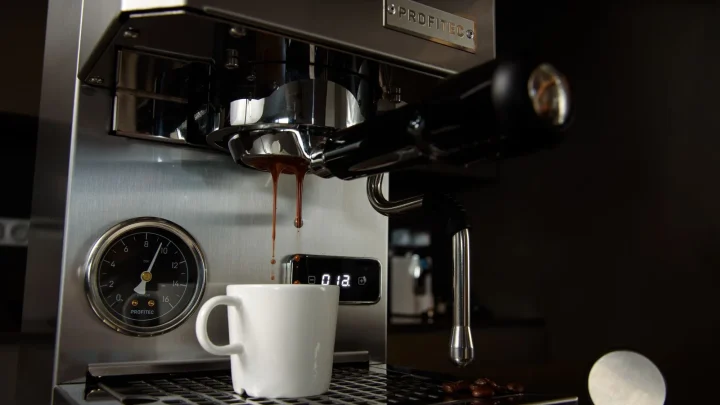
There’s a sound every home espresso machine makes when you hit the brew switch: a fast, mechanical buzz, somewhere between an electric toothbrush and a small angry wasp. That’s the vibratory pump doing its job at 50 or 60 Hz. Most people who call me convinced their pump has died are actually describing a machine working exactly as designed.
Then there’s the other sound. Same buzz at first, but the pitch climbs, the note goes thin and strained, and no water comes out of the group. That machine has an airlock, and it is a completely different problem with a completely different fix.
I’ve been repairing these pumps on the bench for over a decade, and telling those two situations apart in the first ten seconds saves people from buying parts they don’t need. So let’s get you diagnosing by ear.
What a healthy vibratory pump actually sounds like
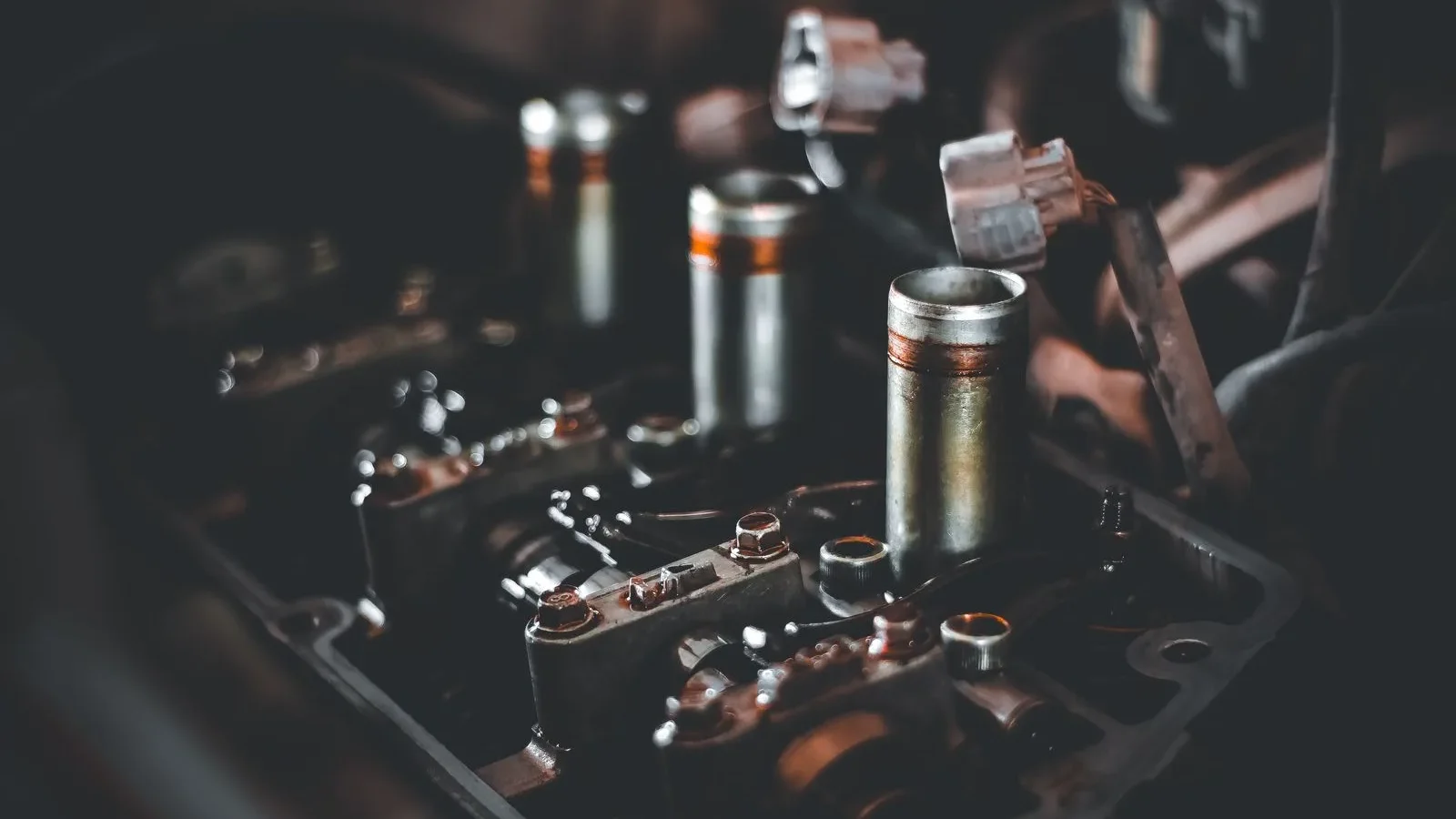
Nearly every consumer machine under about $700 uses a vibratory pump, almost always an Italian-made ULKA. The EP5 and EX5 are the two you’ll meet most. Inside is a spring-loaded piston driven by an electromagnet, and it slaps back and forth 50 or 60 times a second depending on your mains frequency.
That slapping is loud by nature. On a bench meter I measure most healthy pumps at 55 to 65 dB, which is roughly a normal conversation held a foot from your ear. It is supposed to be assertive.
Vibratory pumps sound louder than the rotary pumps in commercial machines because they rely on rapid mechanical oscillation instead of a smoothly spinning motor. The noise is the mechanism, not a fault. You can read more about the two pump types on the Wikipedia entry for espresso machines.
The tell for a healthy loud pump is simple: the note is steady, and water is moving. Put a portafilter-free group under a cup, hit brew, and within two or three seconds you should see water. If the sound is loud but the machine brews and steams normally, nothing is wrong. Rubber feet that have hardened with age will make any pump sound worse by transmitting vibration into the countertop.
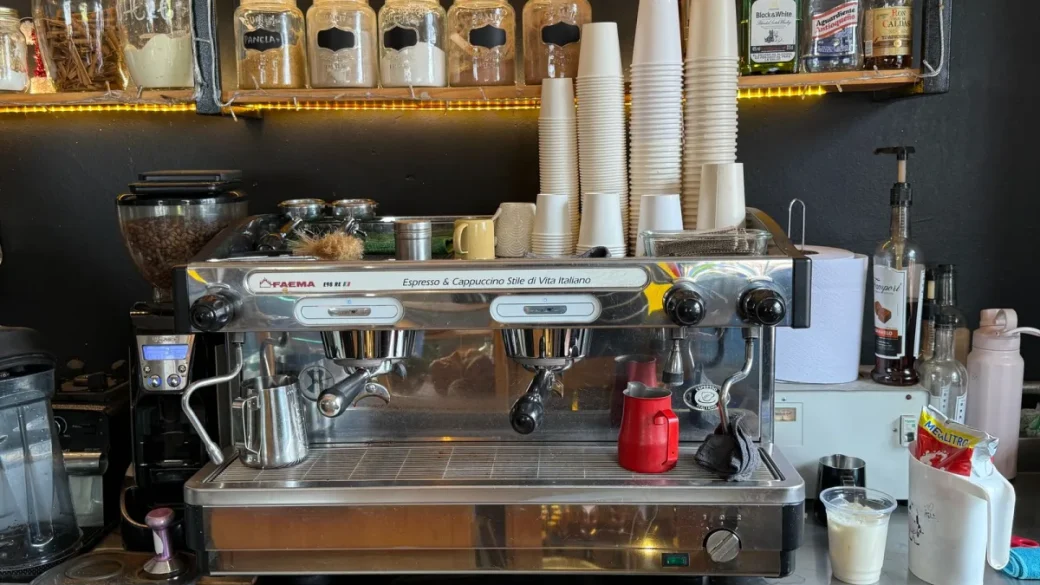
Quick things that make a normal pump louder
- Worn or missing rubber anti-vibration feet under the machine
- The pump’s own mounting grommets gone hard and brittle
- Water tank sitting slightly off its seat, buzzing against the housing
- Low water in the tank, so the pump is drawing partly on air
The airlock: loud pump, no water
Here’s where the primary keyword earns its keep. An espresso machine pump not priming almost never means the pump has failed. It means air is trapped on the inlet side, and a vibratory pump cannot push its way through an air pocket the way a rotary pump sometimes can.
The piston needs water to move water. Give it a column of air and it just oscillates against nothing, which is why the pitch changes. You hear effort with no result.
If the pump is buzzing hard but the group stays dry, assume trapped air first and a dead pump last.
Airlocks show up most often after three things: refilling an empty tank, descaling, or moving the machine. Any moment where the pump gets to suck air instead of water is a chance for a bubble to lodge in the inlet hose or the pump body.
How to tell an airlock from a genuinely dead pump
| Symptom | Airlock (fixable in minutes) | Failed pump |
|---|---|---|
| Pump sound | Buzzes, pitch climbs and strains | Silent, or a faint hum with no rhythm |
| Water at group | None, or a weak sputter | None at all |
| Steam wand open | Air hisses, then usually water follows | Nothing moves |
| After purging | Primes and returns to normal | Still dead |
Purging the airlock, step by step
This is the fix that resolves the large majority of no-prime calls I get, and it costs nothing. You’re going to give the trapped air an easy exit.
- Fill the water tank to the top and seat it firmly. Confirm the pickup hose is actually submerged.
- Open the steam knob fully, all the way counter-clockwise.
- Switch the machine to steam or hot-water mode so the pump runs and the steam valve is the open path.
- Let it run 20 to 30 seconds. You’ll hear air spitting from the wand, then a change in the pump’s note as water fills the line.
- Once water streams steadily from the wand, close the steam knob and switch to brew. Water should now come through the group.
On a Gaggia Classic the steam-side purge works nearly every time. On a Breville Barista Express, run the dedicated hot-water function for the same 20 to 30 seconds instead.
If purging through the wand won’t take, tip the whole machine backward about 30 degrees for a few seconds while the pump runs. Gravity helps float a stubborn bubble out of the inlet hose. I’ve unstuck pumps this way that owners had already written off.
When purging doesn’t work: the real suspects
If you’ve purged twice and still get nothing, now we look harder. In order of how often I actually find them:
1. Clogged inlet screen or scale in the pump
The little brass or plastic inlet fitting on a ULKA has a fine mesh screen. Scale and tank grit block it, and the pump starves. Pull the inlet hose, check the screen, and soak the pump inlet in a descaling solution if flow is restricted. A machine that has never been descaled in two years of daily use is my number-one scale offender.
2. A perished one-way inlet valve
The rubber duckbill or ball check inside the pump inlet can harden and stop sealing. When that happens the pump can’t build the suction to lift water. This part is often replaceable for a couple of dollars, though on cheaper pumps it’s easier to swap the whole unit.
3. A genuinely dead pump
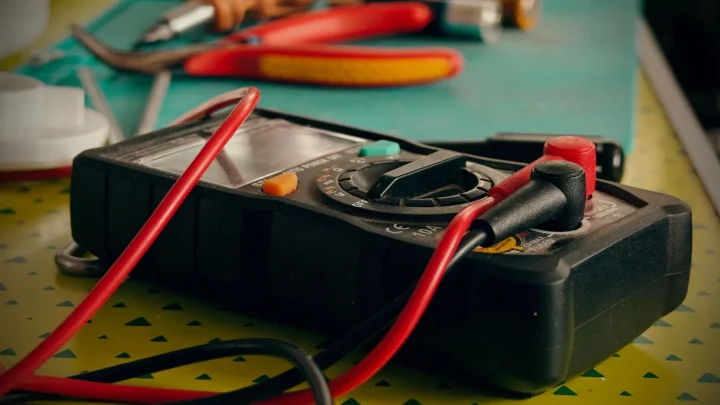
Only now do I suspect the pump itself. A dead ULKA is usually electrical: an open coil or a failed thermal cutout. With the machine unplugged and a multimeter, a healthy EP5 coil reads somewhere in the region of 1.5 to 2.0 kΩ. An open circuit means the coil is gone.
These pumps run on mains voltage. Unplug the machine and let the boiler cool before you open anything, and discharge nothing while it’s live. If you’re not comfortable with a multimeter around 120 V wiring, this is the point to hand it to a technician rather than guess.
Replacing the pump without overpaying
A genuine ULKA EP5 or EX5, correctly rated for your voltage and frequency, runs about $25 to $45 from a legitimate parts supplier. Match the voltage (120 V in North America), the frequency (60 Hz), and the connector style before you buy.
Where people lose money is the pre-assembled “pump kit” with brackets and hoses for $70 to $90. Unless your original brackets are broken, you rarely need it. The bare pump plus your existing fittings is the honest fix.
Vibratory pumps are wear items with a finite life, typically several years of home use. If yours is original and the machine is eight or nine years old, a $30 pump can genuinely give the machine another half-decade. The Specialty Coffee Association is a good starting point if you want to understand the brewing pressures these pumps are targeting.
Swapping one is a 20 to 30 minute job: two spade connectors, an inlet hose clamp, and the outlet fitting. Prime the new pump with the same steam-wand purge before you expect brew flow, because a fresh pump ships dry and full of air.
Where a no-prime pump fits the bigger picture
A pump that won’t prime is one branch of a larger tree. If your machine buzzes fine but the shot is weak or watery, the fault is usually downstream, and my write-up on why an espresso machine has no pressure covers those causes. Thin, pale shots with a dead pale top point instead at extraction, which I break down in the piece on why your espresso has no crema.
And if the reason your tank keeps running dry is water escaping somewhere it shouldn’t, chasing that trail in where and why espresso machines leak water will save you from re-airlocking the pump every other day.
For the full map of symptoms and their fixes, start from the overview of common espresso machine problems and fixes and work down to whichever branch matches your noise. Train your ear on the difference between a loud healthy pump and a straining airlocked one, and you’ll skip the two most expensive mistakes I see: buying a pump you didn’t need, and throwing out a machine that just needed 30 seconds through the steam wand.
Frequently asked questions
For a vibratory pump, yes, loud is normal. These pumps buzz at 55 to 65 dB because they work by rapid mechanical oscillation. As long as water flows and the machine brews and steams, the noise is just the mechanism doing its job.
Refilling an empty tank is the most common cause of an airlock. The pump drew in air while the tank was dry, and a vibratory pump can't push through an air pocket. Open the steam wand, run the pump for 20 to 30 seconds until water streams out, then switch back to brew.
Listen and test. An airlocked pump still buzzes, often with a rising, strained pitch, and it usually primes after you purge through the steam wand. A dead pump is silent or gives only a faint hum, and no amount of purging brings water through.
A genuine ULKA EP5 or EX5 pump runs about $25 to $45 for the bare unit. Avoid the $70 to $90 pre-assembled kits unless your brackets or hoses are actually broken, since you can usually reuse your existing fittings.
It can. Descaling introduces air into the water path, and if you run the tank low during the process the pump can pull in a bubble. Refill the tank fully afterward and purge through the steam wand for 20 to 30 seconds to clear any trapped air before brewing.
Often, yes. Tilting the machine back about 30 degrees while the pump runs lets a trapped bubble float up and out of the inlet hose. It's a legitimate trick I use on the bench when a straight steam-wand purge won't take.