Key takeaways
- Change one variable at a time - grind, dose, or yield - and taste before touching anything else.
- Weigh both the dry dose and the liquid out. Guessing by eye or by the cup line is the fastest way to chase your tail.
- Give a fresh bag of beans 4 to 7 days to rest after roast before you judge the grind.
- Wipe the basket dry, level the grounds, and tamp flat and level - a tilted puck ruins the shot before water ever hits it.
A customer brought me a Gaggia Classic Pro last spring, convinced the pump was dying. Every shot ran fast and tasted like lemon water. The pump was fine. He’d been turning his grinder finer and upping his dose at the same time, then flushing the group before every shot with a wet basket still sitting in the portafilter.
Three variables moving at once, and no scale anywhere on the counter.
Nothing on that machine was broken. His method was. I see the same handful of technique errors over and over, and almost none of them are about the gear – they’re about how people approach the process. Here are the ones that stall people the longest.
Changing Two Variables at Once
This is the big one. You taste a sour shot, so you grind finer and pull a longer ratio and bump the dose – all in the same pull. The next shot tastes different, but you have no idea which change did it.
Dialing in is a controlled experiment. Move one lever, taste, decide, then move the next.
My order of operations on the bench is simple. Lock the dose first (say 18g in a standard 58mm basket). Lock the target yield (36g out for a 1:2 ratio). Then adjust grind, and grind only, until the shot lands in your window of 25 to 32 seconds. Once time and taste agree, then you can play with ratio or dose.
One variable, one shot, one decision. If you changed two things, you learned nothing.
If you’re not sure which direction to move when a shot tastes off, our breakdowns on fixing sour espresso and taming bitter over-extraction map the taste back to the fix.
Skipping the Scale
You cannot dial in by eye. Volume in the cup lies to you because crema is mostly foam, and every roast throws a different amount of it.
A cheap 0.1g coffee scale runs about $20 to $30. A Timemore or Acaia will cost more, but you do not need to spend $150 to get started. Any scale that reads to a tenth of a gram and fits under your portafilter does the job.
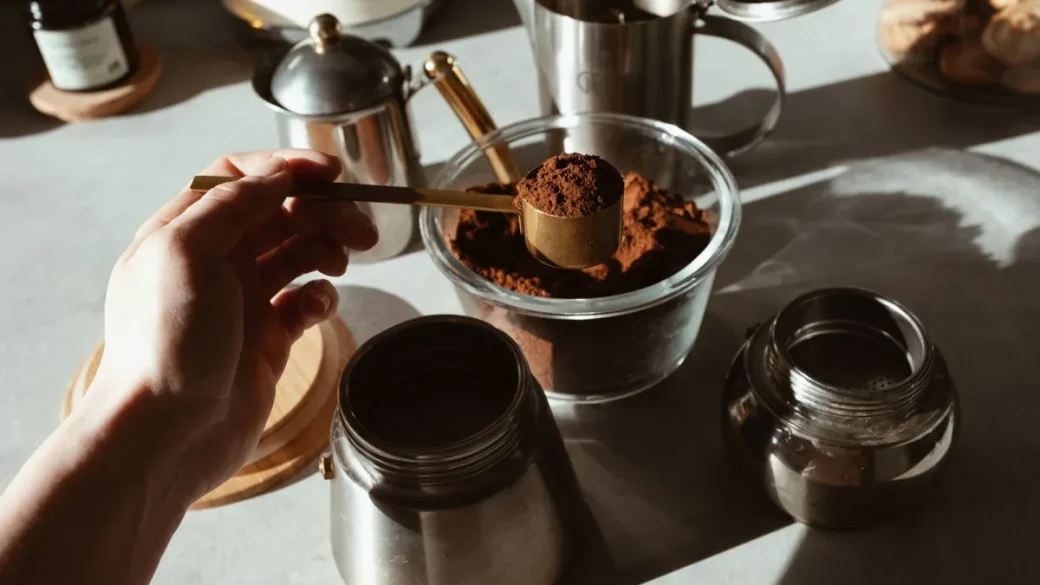
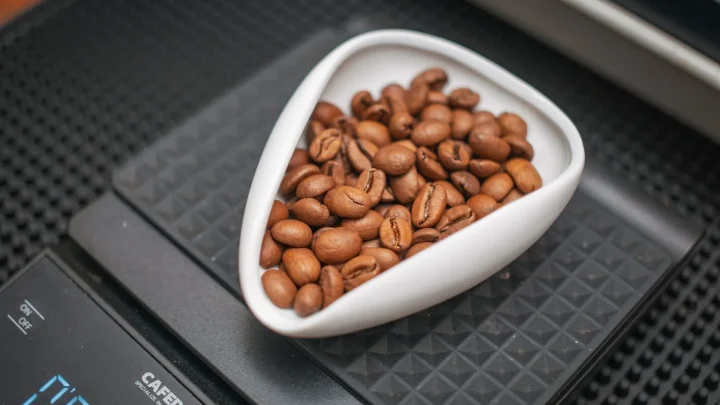
Weigh two things: the dry dose going in, and the liquid espresso coming out. That’s it. Once you know you put 18g in and got 30g out in 22 seconds, you have real data instead of a hunch.
Start the shot and the timer together, and put the cup on the scale before you lock the portafilter in. Tare it to zero with the cup already sitting there so you’re only reading the espresso, not the ceramic.
Judging Beans Before They’ve Rested
Fresh off the roaster is not ready. Coffee off-gasses carbon dioxide for days after roasting, and that CO2 disrupts the flow, throws gushers and channels, and makes the shot taste hollow no matter how you grind.
Check the roast date on the bag – not the “best by” date, the actual roast date. For espresso I want beans that are 4 to 7 days off roast, and they’ll hold well up to about 3 to 4 weeks if the bag is sealed with a one-way valve.
If you’re fighting a brand-new bag that gushes and tastes thin, the beans might just be too fresh. Give them another two or three days before you blame your grind.
Darker roasts off-gas faster and settle sooner – sometimes usable at day 3. Light roasts can need 10 days or more before they stop tasting sharp and flat. The Specialty Coffee Association has good reading on how roast level changes extraction.
Sloppy Puck Prep
Half the “bad shots” I get asked about are prep problems, not grind problems. Water is lazy – it finds the path of least resistance and rushes through any weak spot in the puck.
A wet basket
Grinding into a damp basket is a classic. Moisture makes grounds clump and stick to the walls, so distribution goes uneven before you’ve even tamped. Wipe the basket bone dry with a towel every single time.
Uneven distribution and a tilted tamp
If the grounds sit in a lopsided mound and you tamp on top of that, one side of the puck is denser than the other. Water bores through the thin side – that’s channeling, and it tastes both sour and bitter at once.
Level the grounds first. A quick tap and a distribution tool or the WDT method (poking through the grounds with fine needles) breaks up clumps. Then tamp flat and level. You don’t need to press like you’re doing push-ups – about 15 to 20 lbs, consistent and square, is plenty.
If your machine has a three-way solenoid valve, always release the portafilter slowly and let the pressure bleed off. On single-boiler machines without one, wait a few seconds after the pump stops before you unlock – pulling a hot, pressurized puck too fast can spit grounds and hot water back at you.
Chasing Time Instead of Taste
People latch onto “25 to 30 seconds” like it’s gospel and forget it’s only a rough window. Two coffees can both pull in 27 seconds and taste completely different. Time is a diagnostic, not the goal.
The goal is taste. Sour and sharp means the shot is under-extracted, so go finer or pull a touch longer. Bitter, ashy, and drying means over-extracted, so go coarser or cut the shot shorter.
| What you taste | Likely cause | First move |
|---|---|---|
| Sour, thin, lemony | Under-extracted | Grind finer, one step |
| Bitter, dry, harsh | Over-extracted | Grind coarser, one step |
| Fast gusher, pale | Grind too coarse or channeling | Finer grind, fix distribution |
| Choked, dripping, no flow | Grind too fine or dose too high | Coarser grind or drop 0.5g dose |
Grind steps matter more than people expect. On most home grinders, a single notch can swing your shot time by 5 to 8 seconds. If you’re jumping three notches at a time, you’re overshooting and never landing.
Not Enough Rest – or Too Much Coffee – Between Shots
Two smaller habits round out the list. First, single-boiler machines need recovery time. After steaming milk, the group is far too hot for espresso until it cools, and after pulling a shot the boiler needs a minute to recover temperature. Rushing back-to-back shots on a Breville Bambino or a Gaggia gives you inconsistent temps and inconsistent results.
Second, overdosing. Cramming 20g into a basket rated for 18g leaves no headroom, the puck slams into the shower screen, and flow chokes. Match your dose to the basket. If the puck shows a deep screen imprint and sticks to the group, you’re packing in too much.
Do the “nickel test.” After you tamp, the tamped puck should sit low enough that a nickel laid on top clears the shower screen when you lock in. If the coin gets pressed into the grounds, drop your dose half a gram.
Building a Repeatable Routine
The baristas who dial in fast aren’t more talented – they’re more consistent. They do the same steps in the same order every single time, which means when something changes, they can actually see it.
Here’s the checklist I hand people who are stuck:
- Check the roast date – beans 4 to 7 days off roast
- Wipe the basket completely dry before grinding
- Weigh the dose (start 18g in a standard double)
- Distribute and level, then tamp flat at 15 to 20 lbs
- Weigh the yield and time the shot together
- Change one variable, taste, then decide
Run that loop and you’ll usually land a drinkable shot within three or four pulls, and a genuinely good one within a bag. If you want the full sequence from grind to cup, our walkthrough on how to pull the perfect espresso shot ties it together, and the grind size guide covers the one adjustment that moves the shot most. For the mechanics of how pressurized water actually pulls flavor from the puck, the Wikipedia entry on espresso is a solid primer.
Slow down, weigh everything, and move one lever at a time. The gear on your counter is almost certainly capable of a great shot – the method is what needs dialing in.
Frequently asked questions
With a scale and a one-variable-at-a-time approach, most people land a drinkable shot within three or four pulls. Getting it genuinely dialed usually takes half a dozen shots as you fine-tune grind and ratio. Every new bag needs a small re-dial, even the same beans from the same roaster, because roast batches vary.
You really need one. Crema is mostly foam and varies wildly between roasts, so the liquid level in the cup tells you almost nothing about how much espresso you actually pulled. A 0.1-gram scale for $20 to $30 removes the biggest source of guesswork and is the single best upgrade for dialing in.
Two usual suspects: the beans are too fresh and still off-gassing CO2, or you have channeling from uneven puck prep. Check the roast date first - if the beans are under 3 or 4 days off roast, rest them longer. If the date is fine, focus on drying the basket, distributing evenly, and tamping level.
There's no universal number since every grinder's dial is different, so start on the finer side of espresso range and work coarser if the shot chokes. Adjust one notch at a time and expect each notch to shift your shot time by roughly 5 to 8 seconds. Once time and taste agree, note the setting for that bag.
No, it's a rough window, not a target. Time is a diagnostic that helps you spot when something's off, but taste is what you're actually chasing. Two coffees can both pull in 27 seconds and taste completely different, so always let the flavor make the final call.
On single-boiler machines the group temperature drifts between shots, especially if you steamed milk in between. Give the boiler a minute to recover temperature before pulling again, and flush a little water through the group to stabilize it. Rushing back-to-back shots is a common cause of inconsistent results at home.