Key takeaways
- Rancilio and Gaggia score highest for parts availability - expect 15+ years of service life if you descale on schedule.
- Super-automatics (De'Longhi, Jura, Breville Oracle) carry the heaviest repair bills; the ceramic grinder and brew unit are the parts that fail.
- Descaling every 4-6 weeks in hard water prevents roughly 70% of the faults I see on the bench.
- Check parts availability BEFORE you buy - a discontinued gasket can turn a $600 machine into scrap.
- Boiler material matters: brass and stainless outlast aluminum by a decade in real-world use.
I keep a shelf in my workshop I call the graveyard. It’s machines people paid good money for, brought in with a fixable fault, then abandoned because the one part they needed was discontinued. A perfectly sound boiler, a clean pump, and no gasket on earth to seal it.
That shelf taught me something the spec sheets never will. A machine’s real reliability isn’t about how it brews on day one. It’s about whether you can still get a $9 seal for it in year eight.
So this ranking isn’t built on shot quality or foam microstructure. It’s built on what I see come across my bench, how long these things actually survive, and how easy the maker makes it to keep them alive.
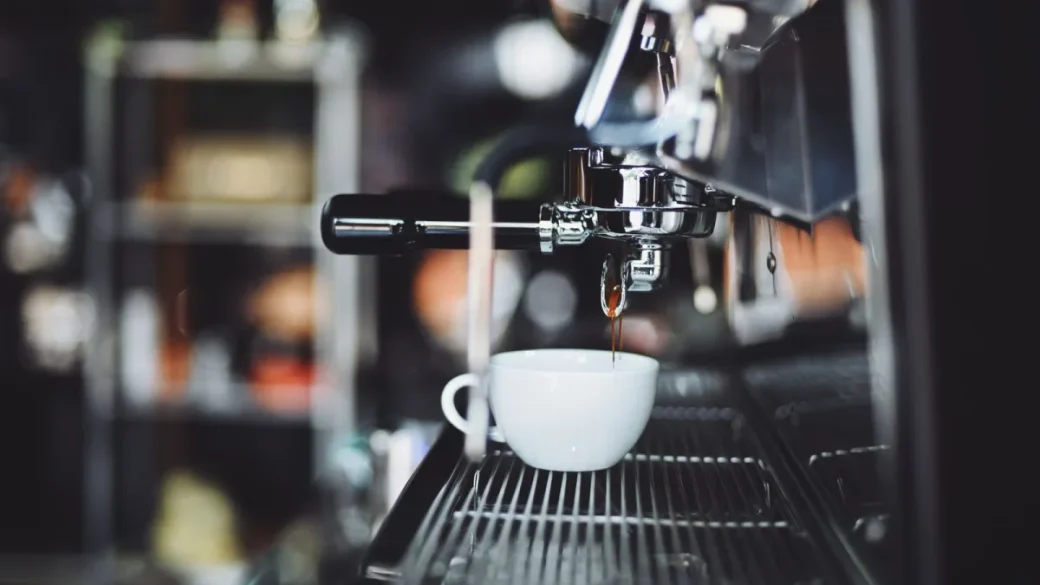
How I Actually Judge Reliability
Two numbers decide everything for me: mean time before a real fault, and how fast I can source the part that fixes it.
A machine that runs eight years then needs a $200 control board isn’t reliable if that board is unobtanium. Meanwhile a simple lever machine that “breaks” every three years but takes a $6 gasket I stock by the dozen? That’s the one I’d tell my own mother to buy.
Buy the machine whose parts you can still find, not the one with the prettiest shot on the showroom floor.
Boiler material is the other tell. Brass and stainless shrug off scale and thermal cycling for well over a decade. Aluminum boilers pit and corrode, and once that starts you’re chasing leaks you’ll never fully win. If you’re still weighing machine types generally, the walkthrough on choosing a home espresso machine pairs well with everything below.
The Buy-Once Tier: Rancilio and Gaggia
If a customer says the words “I never want to shop for this again,” these are the two names I steer them toward.
Rancilio Silvia
The Silvia is the closest thing to an immortal home machine I know. Brass boiler, brass group head, and a design that’s barely changed since the late 90s, which means parts interchange across generations.
I’ve serviced Silvias older than the baristas running them. A full rebuild – new gaskets, a solenoid valve, a fresh element – runs about $80 in parts and buys you another decade. First-hand: the most common fault I open one up for is simply a perished group gasket at around $8, a 20-minute job.
Gaggia Classic
The Gaggia Classic is the people’s champion. Parts are everywhere, the community is enormous, and almost nothing on it is proprietary.
A fault I see constantly is a seized brew solenoid from years of skipped descaling – a $25 part and a hex key. If you’re torn between these two workhorses, the head-to-head on the Gaggia Classic versus Rancilio Silvia gets into the daily-use differences.
On both the Silvia and the Classic, tighten the group-head bolts to around 15 Nm after a gasket swap. Overtighten and you crack the portafilter ears; undertighten and you’ll chase drips for a week.
The Sweet Spot: Breville and Profitec
Breville (Sage in the UK) sits in an interesting spot. The electronics are more complex, so there’s more that can fail, but the company genuinely supports repair and stocks parts well.
The Barista Express and Barista Pro are the two I see most. The usual bench visit is a worn grinder burr or a clogged solenoid around the four-to-six-year mark, and Breville’s own parts channel makes those fixes painless. The differences between those two models are covered in the Barista Express versus Barista Pro comparison if you’re choosing between them.
Profitec and the German-Italian prosumer bracket (think E61 group machines) are a step up in both price and lifespan. A $1,400 E61 machine is genuinely a 20-year purchase because the group head design is an open industry standard – gaskets, springs, and valves fit across a dozen brands.
The E61 group head, designed by Faema in 1961, is the closest thing espresso has to a universal standard. Machines built around it share parts across makers, which is why I rate them so highly for long-term serviceability.
Tread Carefully: The Super-Automatics
De’Longhi, Jura, Philips, and Breville’s Oracle line all live here. These are the bean-to-cup machines with a motorized brew unit doing everything for you.
They’re wonderful until they aren’t. The brew unit and the ceramic grinder are the two parts that fail, and neither is cheap.
| Brand tier | Typical service life | Common failure | Repair cost range |
|---|---|---|---|
| Rancilio / Gaggia (single boiler) | 15-20 years | Gaskets, solenoid | $8-$80 |
| Breville Barista series | 6-10 years | Grinder burrs, pump | $40-$150 |
| Profitec / E61 prosumer | 15-25 years | Rotary pump, valves | $60-$200 |
| De’Longhi / Jura super-auto | 5-8 years | Brew unit, ceramic grinder | $120-$400 |
Jura in particular locks down its brew units – many aren’t user-removable, so a fault that’s a 10-minute clean on a De’Longhi becomes a full workshop visit. That said, De’Longhi’s own support network is one of the better ones in this category, and their removable brew group is a real advantage on the bench.
Never open a super-automatic while it’s plugged in. These machines hold pressurized hot water and mains voltage right next to each other. Unplug, release pressure through the steam wand, and let it cool for 30 minutes before you touch anything internal.
The Descaling Truth Nobody Wants to Hear
Here’s the uncomfortable part. Most machines I condemn didn’t die of bad engineering – they died of neglect.
Scale is the assassin. In hard water, calcium builds inside the boiler and around the heating element, and eventually the element overheats and fails. I’d estimate scale-related faults account for around 70% of what crosses my bench.
Run this checklist and you’ll outlast most of your neighbors’ machines regardless of brand:
- Descale every 4-6 weeks in hard water, every 3 months in soft.
- Backflush pump machines weekly with plain water, monthly with detergent.
- Use filtered water – a simple $30 jug filter halves your scale rate.
- Replace the group gasket every 12-18 months before it hardens.
- Purge the steam wand for two seconds after every milk drink.
Water quality matters enough that the Specialty Coffee Association publishes target mineral ranges for brewing. Hit roughly the middle of that band and you protect both flavor and your boiler.
What I’d Buy With My Own Money
If durability and parts are the whole point, I keep coming back to the same shortlist.
For a first machine on a budget, a Gaggia Classic. It’s forgiving, endlessly repairable, and if you outgrow it the resale is strong. New starters usually find the first-espresso-machine rundown for beginners useful before committing.
For a genuine buy-once machine, save up for an E61 prosumer around the $1,200-$1,600 mark. The parts standardization alone means I could keep one running for 25 years without breaking a sweat.
And whatever you choose, ask one question before you pay: can I still get a group gasket and a pump for this in ten years? If the salesperson doesn’t know, that machine has a reservation on my graveyard shelf. It just doesn’t know it yet.
Frequently asked questions
For pure longevity and parts availability, Rancilio and Gaggia lead the pack. Their single-boiler machines routinely hit 15 to 20 years because the designs barely change and almost nothing is proprietary. If you want a genuine buy-once machine at higher spend, an E61-group prosumer brand like Profitec is a 20-plus-year purchase thanks to standardized parts.
They trade convenience for lifespan. Expect five to eight years and higher repair bills, because the motorized brew unit and ceramic grinder are expensive to replace. If you go this route, favor a model with a user-removable brew group, like most De'Longhi units, so routine cleaning doesn't require a technician.
More than most people expect. Roughly 70% of the faults I see are scale-related, which means maintenance often outweighs brand. A neglected premium machine will fail before a well-descaled budget one, so descale every four to six weeks in hard water and use filtered water.
Because a machine you can't fix is scrap, no matter how well it was built. I regularly see sound boilers and clean pumps abandoned over a single discontinued gasket. Before buying, confirm you can still source common wear parts like group gaskets, solenoids, and pumps several years down the line.
Yes, noticeably. Brass and stainless steel resist scale and thermal cycling for well over a decade, while aluminum boilers pit and corrode over time, leading to leaks that are hard to fully resolve. If a machine's spec sheet lists a brass or stainless boiler, that's a strong reliability signal.
For most home users, yes. The Barista Express and Barista Pro typically run six to ten years, with grinder burrs and the solenoid being the usual wear points around year four to six. Breville stocks parts well and supports repair, which offsets the added complexity of the electronics.