Key takeaways
- A single boiler makes you wait 30-90 seconds to switch between brewing and steaming; a dual boiler does both at once.
- Dual boilers hold brew temperature within roughly 1 degree F, which matters far more for light roasts than dark.
- Heat-exchanger (HX) machines are a middle path: simultaneous steam and brew, but with temperature quirks a true dual boiler avoids.
- Expect to pay $600-900 for a good single boiler and $1,500-3,000 for a dual boiler; the gap buys convenience and stability, not better crema.
- If you drink one or two milk drinks a morning, a single boiler is fine. If you pull 4+ back to back or chase light-roast clarity, dual pays off.
The most common upgrade regret I hear on the bench isn’t about a broken machine. It’s a customer who spent $2,400 on a dual boiler to make one flat white a day, then realized their old $500 single boiler would have done the exact same job.
The reverse happens too. Someone pulling shots for a household of four every morning, fighting a single boiler that never quite keeps up, wondering why steaming feels like a chore.
The difference between these two machine types is real, but it’s narrower than the marketing suggests. Let me show you where it actually lives.
What the two boiler layouts really do
Espresso needs two very different temperatures. The water hitting your coffee wants to sit around 200 degrees F. The water making steam for milk has to be past boiling, closer to 250-260 degrees F under pressure.
A single boiler has one tank that does both jobs, one at a time. You brew at ~200 F, then flip a switch, wait for the boiler to climb to steam temperature, froth your milk, and if you want another shot you wait for it to cool back down. That heat-up and cool-down is the whole story.
A dual boiler has two separate tanks, each held at its own temperature permanently. Brew from one, steam from the other, at the same time, no waiting. That’s it. Everything else is a consequence of that one design choice.
There’s a third layout you’ll see between these two: the heat exchanger, or HX. It has one big steam boiler with a pipe running through it that flash-heats brew water on demand. You get simultaneous steam and brew like a dual boiler, but the brew temperature drifts unless you “cool flush” first. More on that below.
The workflow difference you’ll feel every single morning
This is what nobody explains properly, so here’s the honest version from someone who has timed it with a stopwatch during repairs.
On a single boiler like a Gaggia Classic Pro or a Rancilio Silvia, a milk drink goes like this. Pull your shot at brew temp. Flip the steam switch. Wait 25 to 40 seconds for the boiler to reach steam temperature. Steam your milk. Done.
The catch is the order and the wait. If you want a second shot after steaming, you have to run water through the group to drop the boiler back down, which takes another 60 to 90 seconds. For one drink, no problem. For back-to-back drinks, it turns into a shuffle.
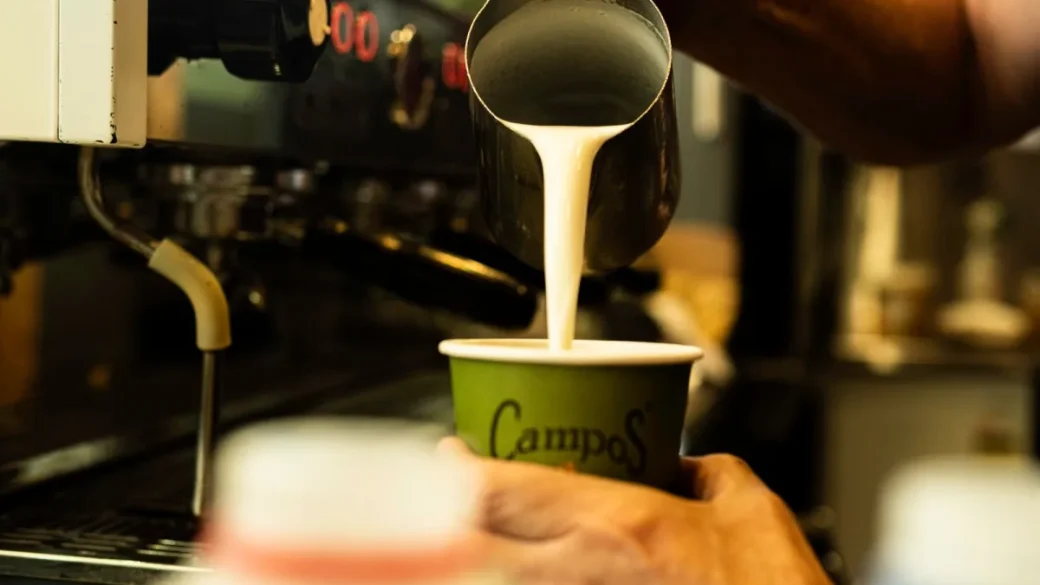
On a dual boiler like a Breville Dual Boiler (BES920) or a Rocket Appartamento, you pull the shot and steam simultaneously. Shot’s running, you’re already texturing milk. A two-drink morning that takes six or seven minutes on a single boiler takes about three on a dual.
A single boiler makes one great drink at a time. A dual boiler makes four great drinks without breaking stride.
That’s the real trade. Not quality. Rhythm.
Temperature stability, and why light roasts care
Here’s where the dual boiler earns its price beyond convenience, and it’s the part buyers underestimate.
A single boiler’s temperature swings during a shot. As cooler water flows in from the tank, the thermostat cycles the heating element on and off, and the actual brew temperature can wander 5 to 10 degrees F across a 25-second pull. On a basic single boiler running a bimetal thermostat, I’ve measured swings closer to 15 F. Espresso is a pressurized extraction where a few degrees shifts how much bitterness or sourness ends up in the cup.
A dual boiler with PID control holds the brew boiler within roughly 1 degree F, shot after shot. The Specialty Coffee Association recommends a brew temperature around 200 F precisely because small deviations change extraction, and a stable machine lets you actually hit a target and stay there.
Does your coffee even notice?
Dark roasts are forgiving. They taste roughly the same across a 6-degree window, so a single boiler’s wobble mostly disappears into the milk. If you drink cappuccinos made with a medium-dark blend, you will struggle to taste the difference in a blind cup.
Light roasts are the opposite. A washed Ethiopian pulled at 198 F versus 204 F tastes like two different coffees, one sharp and vegetal, one sweet and floral. If that’s your world, temperature stability stops being a luxury.
Before you spend $2,000 chasing stability, fix your dose and grind first. A single boiler with a consistent 18g dose and a quality grinder beats a dual boiler fed by a cheap blade grinder every time. Grind consistency moves the cup more than boiler count does.
What it costs, and what the money actually buys
Rough real-world pricing as of now, for machines I’d actually put my name behind.
| Type | Example models | Typical price | Simultaneous brew + steam | Temp stability |
|---|---|---|---|---|
| Single boiler | Gaggia Classic Pro, Rancilio Silvia | $450-$900 | No | Fair to good (PID mod helps) |
| Heat exchanger (HX) | Rocket Appartamento, ECM Classika | $1,300-$2,000 | Yes | Good, needs cool flush |
| Dual boiler | Breville BES920, Rocket R58, ECM Synchronika | $1,500-$3,000 | Yes | Excellent (PID both boilers) |
Notice what the extra $1,000-plus does not buy: better crema, better flavor ceiling, or a more forgiving machine for a beginner. A well-dialed single boiler pulls a shot every bit as good as a dual boiler. You’re paying for speed and consistency, not a higher quality peak.
I break this down further in our overview on how to choose a home espresso machine, but the short version is that boiler count should be one of the last things you decide, not the first.
What breaks, and what that costs to fix
Since I spend my days inside these machines, the reliability angle matters and rarely gets mentioned in buying advice.
A single boiler is dead simple. One boiler, one element, one thermostat or PID. When something fails it’s usually a $15 thermostat or a $30 solenoid, and I can turn it around in an afternoon. Fewer parts, fewer failure points, cheaper repairs for the life of the machine.
A dual boiler is two of most of those parts, plus more valves, more wiring, and a control board managing both. When a dual boiler control board goes, you’re looking at $200 to $400 in parts alone, sometimes more if the board is discontinued.
Steam boilers run at pressure and past boiling point. If you ever open a machine, unplug it and let it fully cool for at least 30 minutes first. A hot steam boiler can hold scalding water under pressure, and the tank and fittings tighten to specific torque values (often 20-25 Nm on boiler fittings) for a reason. If you’re not sure, that’s a job for a technician.
Scale is the real killer, on both
The single most common fault I see, on either machine type, is limescale. Hard water clogs the tiny brew passages and coats the element until temperature control goes haywire and the machine reads faults that aren’t electrical at all.
A dual boiler has twice the boiler surface to scale up, so if your water is hard, descaling discipline matters even more. Use filtered or remineralized water and descale on schedule and either machine will outlive its warranty by a decade.
So which one is right for you
Run yourself through this honestly. It sorts most people in under a minute.
- You make one or two milk drinks a day, mostly medium or dark roast: a single boiler is genuinely all you need. Save the money.
- You pull three or more milk drinks back to back most mornings: a dual boiler stops the workflow from being a bottleneck.
- You drink light roasts or single-origin filter-style espresso and chase clarity: dual boiler temperature stability pays off in the cup.
- You want simultaneous steam and brew but a true dual boiler is out of budget: an HX machine splits the difference for around $1,400.
- You’re buying your first machine and still learning to dial in: start with a single boiler and a good grinder, full stop.
If you’re cross-shopping specific models, we’ve got head-to-heads that go deeper than spec sheets: Breville Barista Express vs Barista Pro covers the all-in-one single boiler crowd, and Gaggia Classic vs Rancilio Silvia pits the two classic single boilers against each other. First-timers should also read our take on the best first espresso machine for beginners before spending anything.
My honest bench take after twelve years: most people buy more boiler than they’ll ever use, then don’t spend the leftover money on the grinder that would’ve actually improved their coffee. Match the machine to your morning, not to the spec you think you’re supposed to want.
Frequently asked questions
It depends entirely on your morning. If you make three or more milk drinks back to back, or you drink light roasts where a 1-degree brew swing changes the flavor, the dual boiler's simultaneous steaming and temperature stability are worth it. If you make one or two dark-roast cappuccinos a day, a single boiler produces an identical cup for hundreds less.
Yes, absolutely. A single boiler steams milk just as well as a dual boiler; the only difference is you steam after brewing rather than at the same time, with a 25 to 40 second wait for the boiler to reach steam temperature. For one or two drinks it's barely noticeable. It only becomes a bottleneck when you're making several drinks in a row.
A heat exchanger (HX) uses one large steam boiler with a pipe running through it that flash-heats brew water on demand, so you can steam and brew simultaneously like a dual boiler. The catch is the brew water can overheat while idle, so you run a short cool flush before pulling a shot. A true dual boiler avoids that quirk by holding each temperature independently, which is why it's more expensive.
A basic single boiler can swing 5 to 15 degrees F across a 25-second pull as the thermostat cycles and cooler tank water flows in. A dual boiler with PID control typically holds within about 1 degree F shot after shot. Adding a PID to a single boiler tightens it considerably, though it still won't match a dedicated brew boiler.
Not inherently. The flavor ceiling is the same; a well-dialed single boiler pulls a shot every bit as good. The dual boiler's advantage is consistency, hitting the same target temperature every time, which matters most for light roasts and repeatability. Your grinder and dosing affect the cup far more than boiler count does.
Generally yes, because there are simply more parts: two boilers, more valves, more wiring, and often a control board managing both. A single boiler fix is frequently a $15 thermostat or $30 solenoid, while a dual boiler control board can run $200 to $400 in parts. That said, limescale is the top failure on both types, so filtered water and regular descaling keep repair bills down either way.