Key takeaways
- Crema is an emulsion of CO2 gas, coffee oils, and dissolved solids forced out of the beans by roughly 9 bars of pressure.
- Fresh beans make crema; beans older than about a month lose the CO2 that creates it, so thin crema often means stale coffee, not a broken machine.
- Robusta and dark roasts produce thicker, longer-lasting crema than light-roast arabica, so more crema does not mean better coffee.
- A pale, fast-vanishing layer usually points to a coarse grind or a low dose, not a machine fault.
- Crema settles into the shot within 1 to 2 minutes, so judge and drink your espresso quickly rather than photographing it.
The first customer I ever had cry over crema brought me a $180 De’Longhi and a phone full of photos. Every shot she pulled looked flat and pale, and she was convinced the pump had died. The pump was fine. Her beans were four months old.
That mix-up is the most common one I see on the bench. People treat the golden foam as a scoreboard for their machine when it’s usually telling them about their coffee instead.
So let’s sort out what that layer actually is, why it shows up at all, and what a beginner should and shouldn’t read into it.
What is crema, physically?
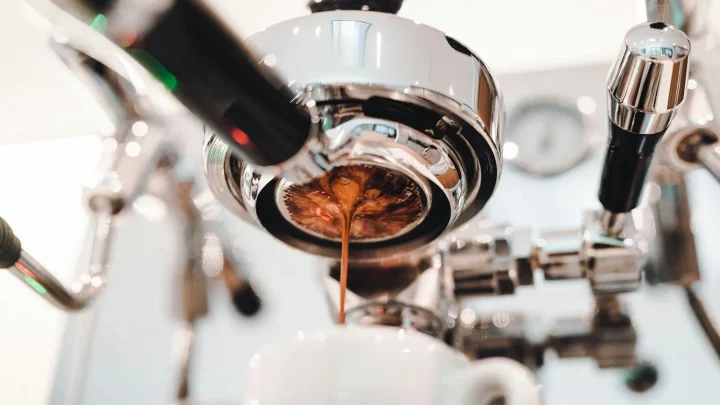
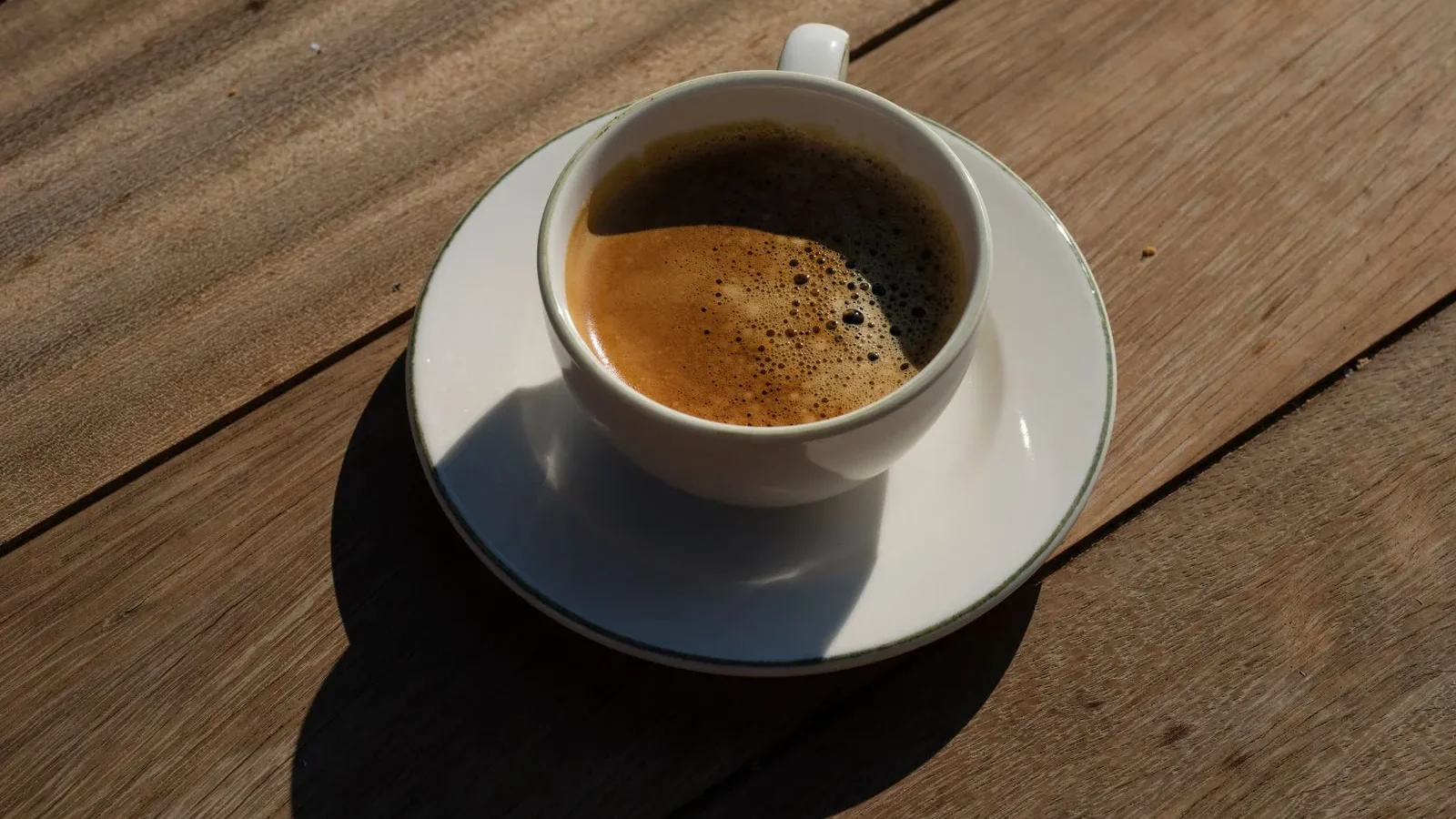
Crema is the reddish-brown foam that caps a fresh espresso shot. Physically it’s an emulsion: tiny gas bubbles wrapped in a film of coffee oils and dissolved solids, all suspended in the liquid coffee underneath.
The gas doing most of the work is carbon dioxide. Roasting coffee creates CO2 inside the bean, and that gas stays trapped for weeks after roasting. When hot water hits the grounds under pressure, the CO2 comes out of solution and forms the bubbles you see.
Those bubbles don’t pop straight away because coffee oils and fine particles coat them. That coating gives crema its body and lets it sit on top of the shot for a minute or two. The technical description of espresso leans on exactly this idea of an emulsified layer sitting above the brewed liquid.
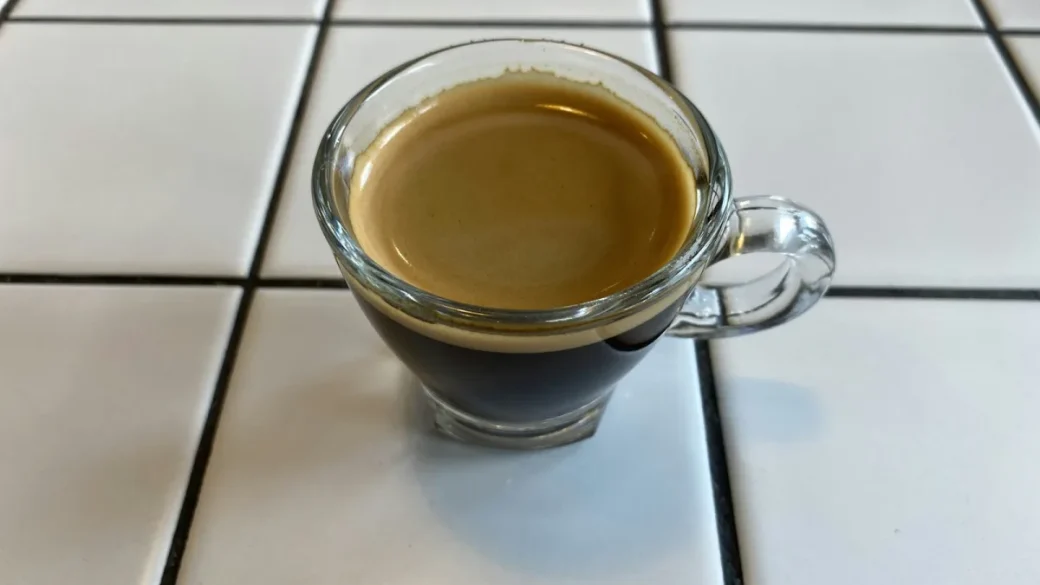
Why does crema form on espresso and not on drip coffee?
The one-word answer is pressure. Drip and pour-over brew at atmospheric pressure, so the CO2 just drifts off quietly. There’s nothing forcing it into an emulsion.
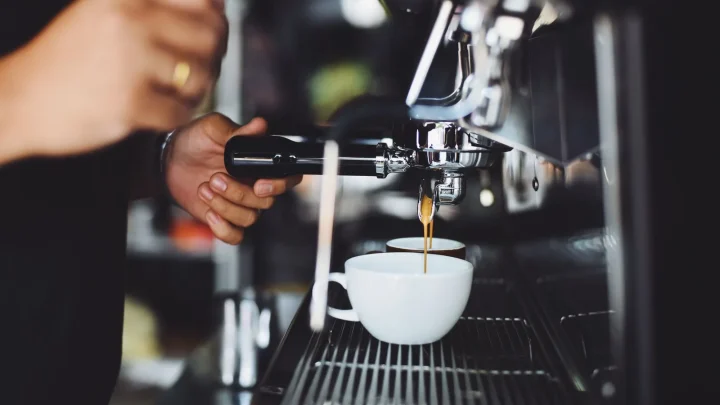
Espresso is different because a pump pushes water through the puck at around 9 bars, roughly nine times atmospheric pressure. That force strips oils out of the grounds and whips the escaping CO2 into foam on the way out.
If you want the deeper story on that number, I wrote a separate piece on what 9 bars of pressure means in espresso. For crema specifically, just remember that no meaningful pressure means no meaningful crema.
No pressure, no crema. It really is that simple at the physics level.
This is also why a broken pump or a clogged group head kills crema first. When I test a machine that “stopped making foam,” a pressure check with a portafilter gauge is my first move before I open anything.
Pump machines and lever machines both hit that pressure range differently, but both can make excellent crema. The steam-driven “espresso makers” under about $60 usually top out near 3 to 4 bars, which is why their crema looks thin and disappears fast.
What makes crema thick, thin, or missing entirely?
Three things drive crema more than anything else: bean freshness, roast type, and your grind-and-dose. Machine faults come after those, not before.
Bean freshness
This is the big one, and it’s what caught my crying customer. CO2 leaks out of roasted beans over time, and by roughly four to six weeks past roast, most of it is gone.
Beans that are 5 to 21 days off roast give the most crema in my experience. Anything past a month or two produces a thin, pale layer no matter how good your machine is.
Roast and bean type
Robusta beans naturally throw more crema than arabica, which is why cheap supermarket blends often look impressively foamy. Dark roasts also release oils more freely, adding to the layer.
So a mountain of crema can actually signal a cheaper or darker bean, not a better shot. Some of the best light-roast single origins I’ve tasted produced a modest, quick-fading crema.
Grind and dose
Too coarse a grind lets water rush through without building pressure, and crema goes pale and thin. Too low a dose does the same. Dial the grind finer or add a gram or two and the layer usually recovers.
Change one variable at a time. If crema looks weak, adjust grind first and pull another shot before touching dose or dwell time. Chasing three variables at once is how people convince themselves the machine is broken.
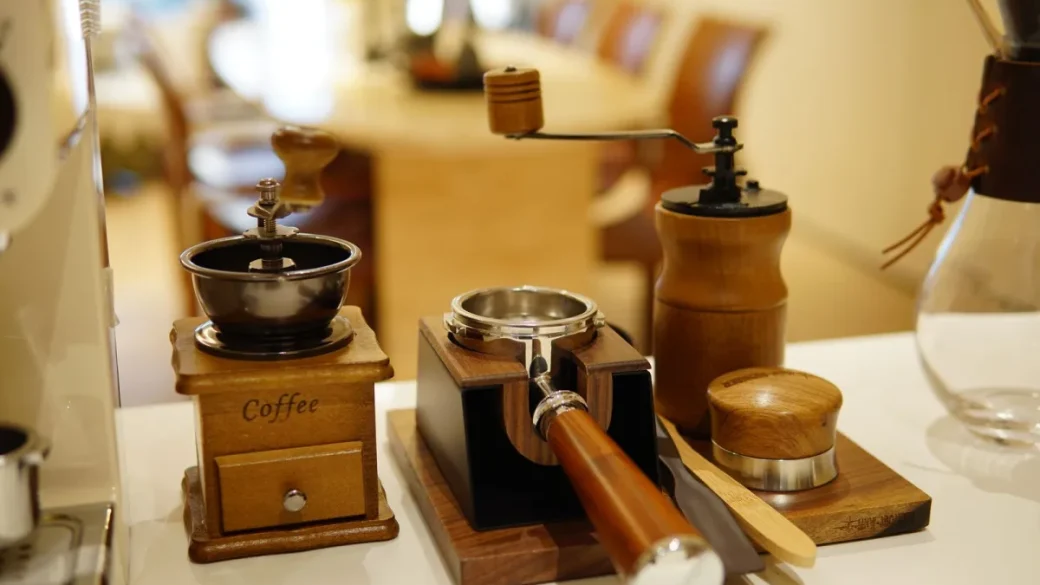
What crema does and doesn’t tell you
Here’s where beginners get burned. Crema is a clue, not a verdict. It tells you the coffee is reasonably fresh and the pressure is roughly there, and not much beyond that.
It does not tell you the shot tastes good. I’ve pulled gorgeous, thick crema off stale-tasting robusta and thin, unremarkable crema off a shot that drank beautifully.
What crema genuinely signals:
- Beans still hold decent CO2, so they’re fresh enough to brew well
- Your machine is building real pressure through the puck
- The grind isn’t wildly too coarse
What it can’t tell you: extraction balance, water temperature accuracy, whether the shot is sour or bitter, or whether your beans are actually tasty. Those you judge by drinking, not by looking.
If you’re chasing crema by descaling or poking around the group head, unplug the machine and let the boiler cool. Group heads and steam paths can hold water above 200F, and boiler pressure doesn’t vanish the instant you flip the switch off.
How to read your crema like a technician
When a machine lands on my bench for “bad crema,” I run through a quick mental checklist before I ever grab a screwdriver. You can run the same one at home.
| What you see | Most likely cause | First thing to try |
|---|---|---|
| Thin, pale, gone in 20 seconds | Stale beans (over 1 month) | Buy fresh, dated beans |
| Almost no crema, watery shot | Grind too coarse or low dose | Grind finer, add 1 to 2g |
| No crema at all, weak flow | Low pump pressure or clog | Check pressure, backflush |
| Huge, foamy, bubbly crema | Robusta or very dark roast | Nothing wrong; expected |
| Blond crema very early in shot | Over-extraction, grind too fine | Coarsen grind slightly |
Notice how many rows have nothing to do with the machine. Four out of five crema complaints I get are solved with fresher beans or a grind tweak, and the customer keeps the same machine happily for years.
If you genuinely suspect a hardware fault, it helps to know what’s under the hood first. My rundown of espresso machine parts explained for beginners covers the pump and group head, and the portafilter basics piece explains why dose and tamp feed directly into the crema you get.
The Specialty Coffee Association treats crema as a normal feature of espresso rather than a quality target. Professional cuppers judge the liquid, not the foam, and so should you.
Drink it fast and stop overthinking the foam
Crema is temporary by nature. Within 1 to 2 minutes it thins out and folds back into the shot, which is exactly why a well-pulled espresso is meant to be drunk right away rather than photographed for five minutes.
My honest advice after twelve years of this: use crema as a rough freshness and pressure check, then trust your tongue for everything else. A modest golden layer on beans you bought two weeks ago is a perfectly healthy shot.
If you’re still building the mental model of how the whole machine turns beans into that layer, the beginner’s overview of how espresso works ties the pressure, grind, and crema together in one place. Start there, keep your beans fresh, and the foam will mostly take care of itself.
Frequently asked questions
No. Thick crema mostly signals fresh beans, a dark roast, or robusta content, none of which guarantees good flavor. I regularly taste shots with heavy crema that drink flat, and light-roast shots with modest crema that taste excellent. Judge the espresso by drinking it, not by the depth of the foam.
The two usual culprits are stale beans and a grind that's too coarse. If your beans are more than a month past roast, the CO2 that forms crema is largely gone. If the beans are fresh, try grinding finer and adding a gram or two of coffee before you assume the machine is at fault.
On fresh beans, a healthy crema holds for roughly 1 to 2 minutes before it thins and merges back into the liquid. If yours vanishes in 10 to 20 seconds, the beans are likely stale or the shot was under-pressured. Either way, drink the shot promptly rather than waiting.
Pump machines that reach around 9 bars can produce good crema even at entry-level prices, roughly the $150 to $300 range. Steam-only makers under about $60 usually only hit 3 to 4 bars, so their crema looks thin and fades quickly. Pressure matters more than brand here.
A blond, washed-out crema, especially early in the pour, often points to over-extraction from too fine a grind, or to a light roast that simply produces lighter foam. Try coarsening the grind slightly and shortening the shot. If the color is fine but the taste is sour or thin, the fix is dialing extraction, not the crema itself.
Large, soapy bubbles usually come from robusta or very dark, oily roasts and are cosmetic rather than a problem. Pale spots or tiger-striping in the crema can indicate uneven extraction from poor puck prep. Focus on an even tamp and consistent dose, and the pattern usually tightens up.