Key takeaways
- Budget for a total first-year spend of roughly $900 on the low end and $2,000+ on the mid range, not just the machine's box price.
- The grinder is the single most under-budgeted item. Spend at least a third of your machine budget on it, or your $600 machine will taste like a $150 one.
- Beans are the sleeper cost: pulling two doubles a day burns through a $18 bag every 9 to 10 days, so factor $500 to $700 a year.
- Filtered or remineralized water and an annual descale are cheap insurance against the scale damage I repair most often.
- Set aside $50 to $120 a year for gaskets, screens, and a descale kit so a $4 part never becomes a $180 boiler job.
A customer dropped a Rancilio Silvia on my bench last spring, convinced the pump had died. It hadn’t. The machine ran fine – she’d just never told anyone she’d spent $700 on the Silvia and then paired it with a $40 blade grinder from a big-box store.
Her espresso tasted like burnt water. The machine wasn’t the problem. Her math was.
That conversation happens more than any repair I do. People price the machine, celebrate the deal, and walk straight into a year of spending they never planned for. So let’s put actual numbers on it.
I’ve pulled these figures from twelve years of repairs, my own kitchen, and the receipts of customers who let me photograph their setups. Prices are USD and current as of mid-2026.
The machine is the down payment, not the price
Think of the box price the way you’d think of a car’s sticker: it’s the start of the conversation, not the end.
A Gaggia Classic Evo runs around $500. A Breville Barista Express sits near $700. The Silvia hovers around $900 now. Those are honest entry points for a machine that’ll last a decade if you treat it right.
But nobody makes good espresso with only the machine. If you’re still choosing between models, our breakdown of how to choose a home espresso machine is the right place to start before you commit a dollar.
Once you’ve picked one, the real budget begins.
The grinder: the cost people always skip
Here’s the rule I repeat to every customer, and I’ll put it plainly:
Spend at least a third of your machine budget on the grinder. A great machine fed by a bad grinder makes bad coffee – every single time.
Espresso lives or dies on grind consistency. A blade grinder chops beans into random gravel; you cannot dial in a proper shot with it, no matter how good the machine is. That’s the single most common cause of the “my expensive machine tastes bad” complaint I hear.
A capable entry burr grinder – a Baratza Encore ESP or a DF54 – runs $150 to $250. Step up to a Eureka Mignon Specialita and you’re at $400 to $450. Machines like the Barista Express have a grinder built in, which is exactly why beginners love them; our Barista Express vs Barista Pro comparison digs into whether the Pro’s upgraded grinder justifies the jump.
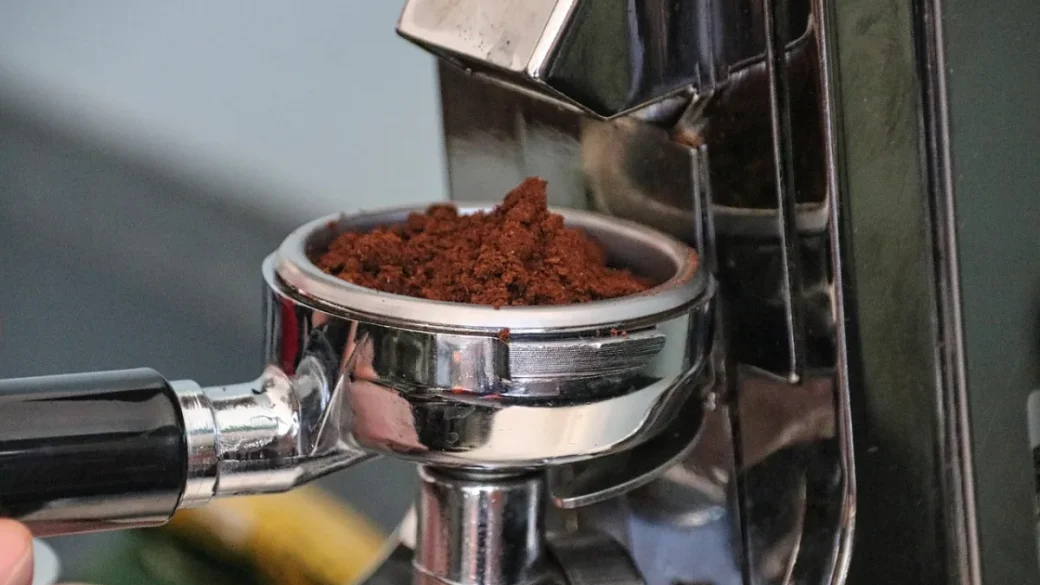
If your budget is tight, buy a cheaper machine and a better grinder, never the reverse. A Gaggia Classic with a $350 grinder beats a $900 machine with a $100 grinder in the cup, every time.
Accessories: the $150 you didn’t see coming
The little stuff adds up faster than anyone expects. None of it is optional if you want consistent shots.
A pressurized basket comes in the box, but you’ll want a non-pressurized double basket to grow into. Then the rest of the kit:
| Item | Why you need it | Typical cost |
|---|---|---|
| 58mm distribution tool | Even puck, no channeling | $25–$45 |
| Calibrated tamp | Consistent 30 lb press | $20–$60 |
| 0.1g scale | Dose and yield by weight | $25–$40 |
| Bottomless portafilter | Diagnose channeling | $30–$50 |
| Knock box | Puck disposal | $15–$25 |
| Milk pitcher + cloths | Steaming and cleanup | $20–$30 |
Call it $150 to $220 in year one. You buy most of it once and it lasts for years, so it’s front-loaded rather than recurring.
Beans: the cost that never stops
This is the line item that surprises everyone, because it’s the one that keeps coming back every week.
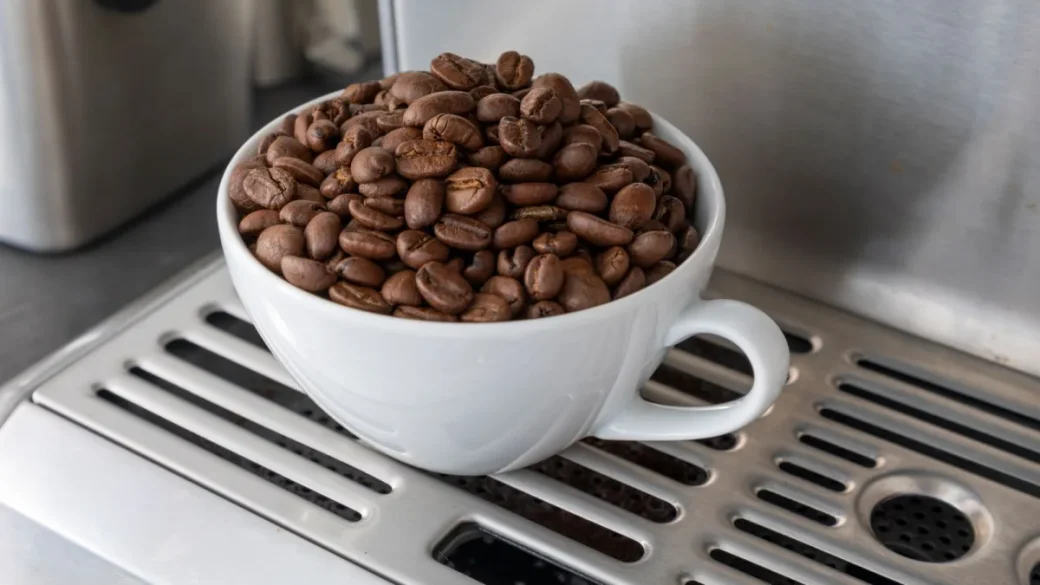
A good bag of fresh specialty beans is 340g (12 oz) and runs $16 to $22. A standard 18g dose per double shot means roughly 18 to 19 doubles per bag.
Pull two doubles a day – one for you, one for a partner, or a morning and afternoon cup – and a bag lasts about nine or ten days. That’s three bags a month, comfortably $500 to $700 a year.
Factor in dialing-in waste too. When you switch beans or your grinder drifts, you’ll dump two or three shots getting it right. Early on, before your espresso technique settles, budget an extra bag a month for the learning curve.
Coffee is freshest 7 to 21 days after roast. Buying in bulk to save money backfires – beans past a month lose the oils that build crema, and you’ll waste more than you saved.
Water: cheap to get right, expensive to ignore
This is where I make most of my repair income, so listen closely.
Hard tap water is the number one killer of home espresso machines. Scale builds inside the boiler and lines, chokes flow, and eventually seizes solenoid valves and heating elements. A scaled-up boiler is often a machine I can’t economically fix.
Never run straight reverse-osmosis or distilled water either. Zero-mineral water is aggressive and corrodes boilers and can trigger low-water faults on machines with conductivity probes. You want balanced water around 50–100 ppm total hardness.
Your options are cheap. A Brita-style filter jug is $30 up front plus maybe $40 a year in filters. Third Wave Water sachets, which remineralize distilled water to spec, run about $0.35 a batch. The Specialty Coffee Association publishes target water standards if you want to nerd out on the numbers.
Either way, water is a $40 to $80 annual line that saves you a boiler.
Maintenance and repairs: the boring insurance
Machines need feeding beyond beans. Backflush detergent, a descale kit, replacement gaskets and shower screens – these are the parts I sell and fit constantly.
What you’ll actually spend
- Backflush detergent (Cafiza), one tub: $12, lasts a year+
- Descaling solution or citric acid, quarterly: $20–$30/year
- Group gasket, replaced yearly on heavy use: $4–$10
- Shower screen, every 1–2 years: $8–$15
- Occasional out-of-warranty repair fund: $50–$100/year
The group gasket is the perfect example of why maintenance is cheap and neglect is dear. It’s a $6 part. Let it harden and the portafilter won’t seal, water sprays past the puck, and people assume the pump is failing. Ten minutes and a $6 rubber ring, not a $180 diagnosis.
Backflush a machine with a three-way solenoid valve weekly with plain water, monthly with detergent. On a Gaggia Classic or Silvia, that one habit prevents the sluggish, dribbly shots I see on neglected machines constantly. Our Gaggia Classic vs Rancilio Silvia comparison covers which of the two is friendlier to service at home.
Adding it all up: the honest first-year total
Here’s a realistic year-one budget for two common paths. Machine prices are mid-2026.
| Line item | Budget build | Mid-range build |
|---|---|---|
| Machine | Gaggia Classic Evo – $500 | Breville Barista Express – $700 |
| Grinder | $180 | Built in |
| Accessories | $150 | $180 |
| Beans (year 1) | $550 | $650 |
| Water treatment | $50 | $60 |
| Maintenance parts | $60 | $70 |
| First-year total | ~$1,490 | ~$1,660 |
Year two drops hard, because the grinder and accessories are already bought. You’re left with beans, water, and maintenance – call it $650 to $800 a year to keep pulling shots.
Compare that to a $5 daily café habit, which is $1,825 a year, and the machine pays for itself faster than most people assume. The espresso machine isn’t the expensive part – the years of coffee are, and you were buying those anyway.
Before you buy, budget the whole thing
The mistake my Silvia customer made wasn’t spending too much. It was spending everything on one line and nothing on the rest.
Do the full tally first. Machine, grinder, accessories, a year of beans, water, and a small parts fund. If the honest total scares you, size down the machine – never the grinder – and grow into the setup.
And if you’re still deciding where to start, the models in our roundup of the best first espresso machine for beginners are the ones I see land softest for people watching their spend. Buy for the whole first year, not the box, and you’ll never end up on my bench wondering why great gear makes bad coffee.
Frequently asked questions
Once you add a grinder, accessories, a year of beans, water treatment, and basic maintenance parts, a realistic first-year total lands between roughly $1,400 and $1,700 for a budget-to-mid setup. The machine itself is often less than half of that. Year two drops to around $650 to $800 because the one-time purchases are behind you.
No. Machines like the Breville Barista Express and Barista Pro have a capable built-in grinder, which is a big reason they suit beginners and save you $150 to $400 up front. If you buy a machine without one, budget at least a third of the machine's price for a burr grinder, because a blade grinder will ruin the shot no matter how good the machine is.
At two double shots a day, expect to finish a 12 oz bag of fresh specialty beans every 9 to 10 days, so about three bags monthly. At $16 to $22 a bag that's roughly $50 to $65 a month, or $500 to $700 a year. Early on, add an extra bag a month to cover the shots you'll dump while learning to dial in.
Yes, and it's one of the cheapest ways to protect your investment. Hard tap water builds scale that clogs boilers and seizes valves, which is the most common expensive failure I repair. A filter jug or remineralization sachets cost $40 to $80 a year and are far cheaper than a scaled-up boiler, which is often not worth fixing.
Plan on about $50 to $120 a year for consumables: backflush detergent, a descale kit, a replacement group gasket, and the occasional shower screen. These are small parts, most under $15, but skipping them turns cheap fixes into costly ones. A hardened $6 gasket, for example, mimics a failing pump and sends people looking for a repair they don't actually need.
For most people, yes, over time. A single $5 café drink a day adds up to about $1,825 a year, which roughly matches a full first-year home setup and then keeps repeating. After year one your running cost drops to $650 to $800 a year, so the machine pays back within the first year or two if you actually use it daily.